5 Alternatives to the Orange Crush 35RT — Including Options for Practice, Recording and a Better Feel
If the Orange Crush 35RT is out of stock, nudging your budget, or not quite the right fit for how you play, it makes sense to compare alternatives before buying. Some players want a more feature-packed practice amp, others need something that works for acoustic as well as electric, and some are really looking for a different guitar entirely to pair with their amp.
Original Product
The Orange Crush 35RT is a solid-state 35W combo that’s popular because it’s simple, loud enough for home use and small rehearsals, and voiced with that familiar Orange midrange character. At £237.00, it sits in a useful middle ground: affordable, but not bargain-basement. The alternatives below each solve a slightly different problem, so the best choice depends on whether you want more features, a different tonal direction, or a better instrument to plug into your setup.
1) Positive Grid Spark 2 50W Smart Guitar Practice Amp & Bluetooth Speaker — £229.00

Positive Grid Spark 2 50W Smart Guitar Practice Amp & Bluetooth Speaker with Built-in Looper, AI Features & Smart App for Electric, Acoustic, & Bass Guitar
At £229.00, the Spark 2 is actually a touch cheaper than the Orange, but the comparison is less about price and more about purpose. The Spark 2 gives you 50W of power, Bluetooth speaker functionality, built-in looper, AI-assisted features, and app control, which makes it far more of a modern practice hub than a traditional combo amp.
The practical difference is huge if you practise at home, record ideas, or like experimenting with sounds. Where the Orange Crush 35RT gives you a straightforward amp with a real amp feel, the Spark 2 gives you a broad palette of tones and tools. That can be inspiring for writing and learning, especially if you want backing tracks, effects, and looping without buying extra pedals. The trade-off is that it will not feel as immediate or as “plug in and play” as the Orange. Some players also prefer the physical simplicity and punch of a conventional amp over app-based control.
In build terms, the Orange Crush 35RT feels like a classic no-nonsense combo designed for durability and gig-friendly simplicity. The Spark 2 is well thought out, but its value is in the software ecosystem as much as the hardware. If you want a dependable amp for rehearsals and straightforward electric guitar use, Orange still has the edge in traditional amp credibility. If you want one box that doubles as a practice, jam and bedroom recording tool, the Spark 2 is the smarter buy.
Verdict: Choose the Spark 2 if you want maximum versatility, built-in looper and smart features, and you mostly play at home. Choose the Orange if you want a more traditional guitar amp experience with less menu-diving and more direct response.
2) Fender Acoustasonic 40 Combo Guitar Amp, 40W — £299.00
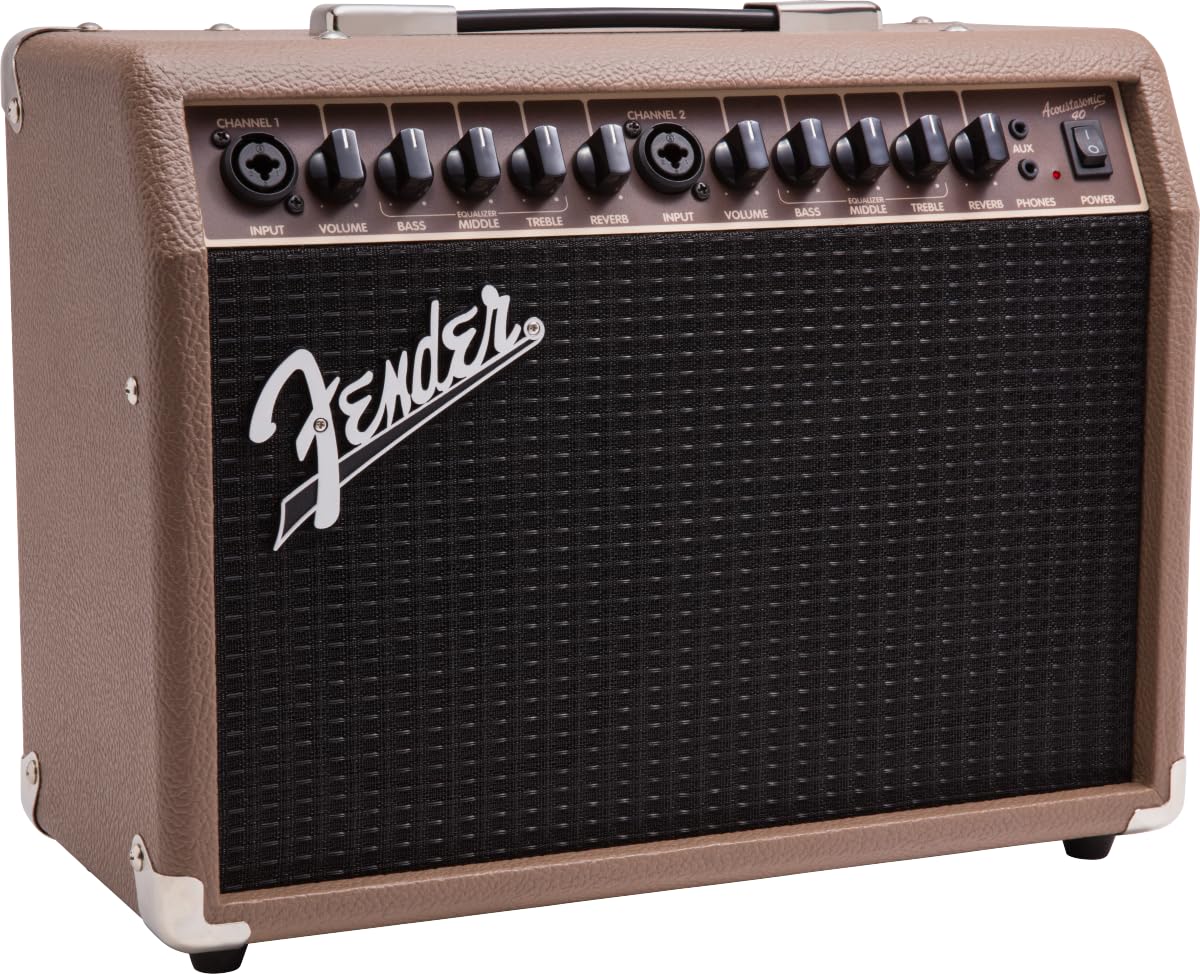
Fender Acoustasonic 40, Combo Guitar Amp, 40W, Suitable For Acoustic, Electric Guitar & Microphone, Brown/Black
The Fender Acoustasonic 40 costs £299.00, so it’s £62 more than the Orange Crush 35RT. That extra spend gets you a very different kind of combo: 40W, designed for acoustic guitar, electric guitar and microphone use. In other words, it’s not just an electric guitar amp — it’s a small acoustic performance and vocal support amp.
The key feature difference is versatility. If you need to amplify an acoustic-electric guitar with natural clarity, or you want a simple amp for singer-songwriter gigs, the Fender makes more sense than the Orange. The Orange Crush 35RT is built for electric guitar tones and will do that job better, especially if you want overdrive and a more characterful rock voice. The Acoustasonic 40 is about clean headroom and transparent reproduction, which means your acoustic guitar’s pickup sound comes through with less coloration.
Build quality is typically strong on Fender’s combo gear, and the Acoustasonic line is aimed at practical, working musicians rather than bedroom toy buyers. The cabinet and controls are straightforward, and the ability to handle microphone input is a genuine advantage for solo performers. The trade-off is that it won’t give you the same satisfying electric-guitar amp response as the Orange. If you mainly play electric, the Fender can feel a bit too polite. If you play acoustic and electric equally, though, it may be the more useful purchase overall.
Verdict: Buy the Acoustasonic 40 if you need one amp for acoustic gigs, vocals and clean amplification. Stick with the Orange if your priority is electric guitar tone, drive and classic combo-amp simplicity.
3) Squier by Fender Affinity Series Telecaster, Electric Guitar, Maple fingerboard, Butterscotch Blonde — £239.00
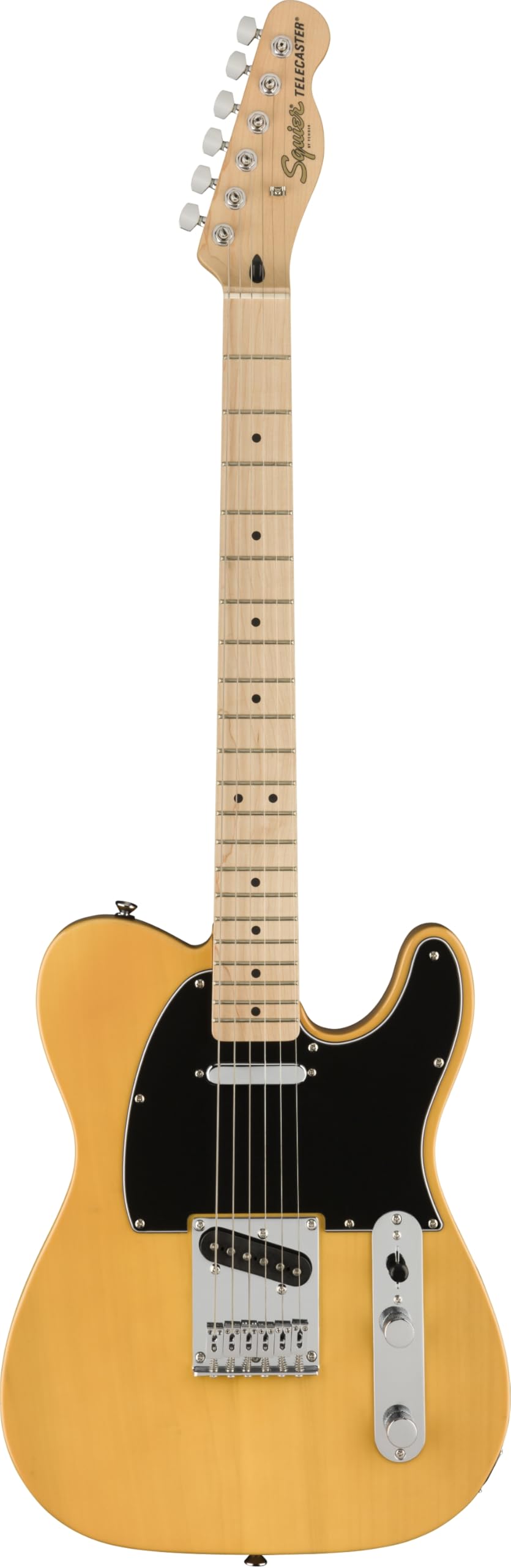
Squier by Fender Affinity Series Telecaster, Electric Guitar, Maple fingerboard, Butterscotch Blonde
At £239.00, the Squier Affinity Telecaster is almost the same price as the Orange Crush 35RT, but it’s not an alternative amp — it’s an alternative guitar. That makes it worth considering for players who are searching the Orange because they actually need a complete setup refresh, or because they want a better instrument to make the most of their amp.
The key difference here is that a guitar upgrade can change your playing experience more than a small amp swap. The Affinity Telecaster is a 6-string electric with a maple fingerboard and classic single-coil Tele pickup layout, so it gives you the bright, punchy attack Telecasters are known for. Through an Orange amp, that can be a great match: the Orange’s midrange emphasis and the Tele’s snap can cut through nicely for indie, country, punk and classic rock rhythm work.
Compared with the Orange, the practical impact is obvious: the amp shapes the sound, but the guitar determines how it feels in your hands and how inspiring it is to play. The Affinity Series is a solid entry-level instrument, though not as refined as the more expensive Classic Vibe range. You can expect decent playability and familiar Fender styling, but not the same level of hardware or finish quality as higher-end models. If your current guitar is holding you back more than your amp, this is a sensible place to spend the money.
Verdict: Choose the Affinity Telecaster if you need a reliable beginner-to-intermediate guitar and already have an amp, or if you want a bright, classic single-coil sound into the Orange. Don’t choose it if you specifically need an amp replacement.
4) Vangoa Electro Acoustic Guitar 12 Strings, 41 Inches, Cutaway Starter Kit — £199.99
The Vangoa 12-string electro-acoustic is the cheapest option here at £199.99, which is £37.01 less than the Orange Crush 35RT. It’s a very different product category, but for some players it may be the more relevant purchase if they’re deciding where their money should go first.
This is a 12-string acoustic-electric guitar, 41 inches in size, with a cutaway and a starter kit included. The practical appeal is obvious if you’re a songwriter, a beginner building up a home setup, or someone who wants a fuller, chiming sound for strumming and recording. A 12-string gives you a much wider, more layered tone than a standard electric combo can create on its own. If you plug it into an amp like the Orange, you’d be using the amp mainly as a clean amplification tool, but the instrument itself is doing the tonal heavy lifting.
Build quality is the main trade-off. Vangoa is positioned as a beginner-friendly package rather than a premium instrument brand, so you should expect more compromise in setup, hardware and long-term refinement than you’d get from Fender or Orange. The upside is value: you get a playable instrument and accessories in one purchase. The downside is that a 12-string can be harder on the fingers and less forgiving if you’re still developing technique.
Verdict: Choose the Vangoa if you want an affordable acoustic-electric with a distinctive 12-string shimmer and you’re prioritising songwriting or home practice. Skip it if your main goal is a dependable electric guitar amp for rehearsals and rock tones.
5) Squier by Fender Classic Vibe '50s Telecaster, Butterscotch Blonde — £354.00
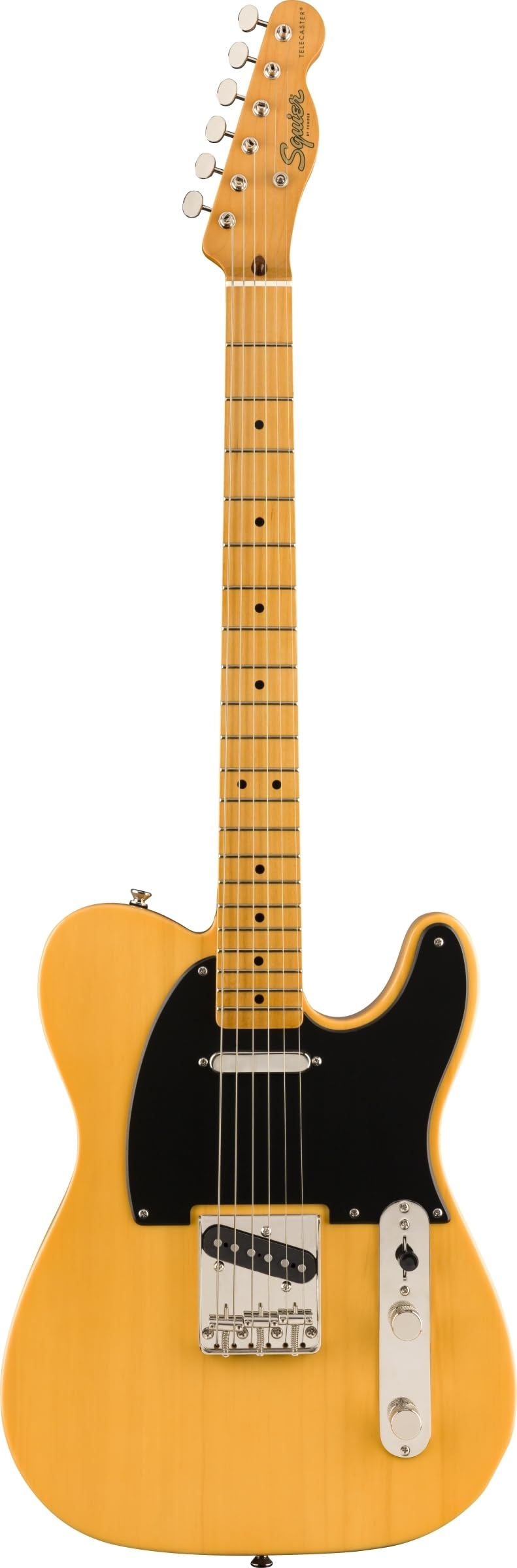
Squier by Fender Classic Vibe '50s Telecaster, Butterscotch Blonde
At £354.00, the Classic Vibe '50s Telecaster is £117 more than the Orange Crush 35RT, so this is clearly the premium option in the list. It’s another guitar rather than an amp, but unlike the Affinity model, this one is aimed at players who want a noticeably better build, feel and overall musical response.
The Classic Vibe range is well regarded because it delivers a more convincing vintage-style experience. You get a 6-string electric with the classic Telecaster formula, and the Butterscotch Blonde finish gives it that iconic early-Fender look. The practical difference versus the Affinity Tele is that the Classic Vibe typically feels more stable, more resonant and more confidence-inspiring under the fingers. For players who are serious about practice, recording or gigging, that matters a lot.
Compared with the Orange Crush 35RT, this is again a question of where the weak link is in your setup. If your amp is already decent but your guitar feels limiting, the Classic Vibe is the better investment. Through a solid-state combo like the Orange, a better guitar often translates into clearer note separation, improved tuning stability and a more satisfying dynamic response. The trade-off is obvious: it costs more, and it still doesn’t replace the utility of an amp if you don’t already have one.
Verdict: Choose the Classic Vibe '50s Telecaster if you want a serious step up in guitar quality and you’re happy spending more for better feel and tone. If you need an amp first, the Orange Crush 35RT is still the more directly relevant purchase.
Which alternative is best overall?
If you want the closest thing to a true amp alternative, the Positive Grid Spark 2 is the most compelling because it gives you more features for roughly the same money. If you need a more traditional, performance-friendly amp for acoustic and vocal use, the Fender Acoustasonic 40 is the smartest specialist choice. And if your real issue is that your guitar is the weak link, either Squier Telecaster is more likely to improve your playing experience than swapping one combo amp for another.
The Orange Crush 35RT remains the best pick if you want a straightforward, reliable solid-state electric guitar combo with a familiar amp feel. But if you’re looking for more flexibility, a different tonal direction, or a better instrument to pair with your setup, these alternatives are all worth a serious look.
Alternatives
Positive Grid Spark 2 50W Smart Guitar Practice Amp & Bluetooth Speaker with Built-in Looper, AI Features & Smart App for Electric, Acoustic, & Bass Guitar
Squier by Fender Affinity Series Telecaster, Electric Guitar, Maple fingerboard, Butterscotch Blonde
Fender Acoustasonic 40, Combo Guitar Amp, 40W, Suitable For Acoustic, Electric Guitar & Microphone, Brown/Black
Vangoa Electro Acoustic Guitar 12 Strings for Beginner Intermediate Adults Teens Cutaway,41 Inches Spruce Top Upgraded Starter Kit Right Hand Matte Black
Squier by Fender Classic Vibe '50s Telecaster, Butterscotch Blonde
Still Buy the Original If...
Buy the Orange Crush 35RT if you want a simple, dependable solid-state electric guitar combo with a proven rock-friendly voice. It’s still the best choice if you value plug-and-play ease over extra features.
Love picks like this?
Get weekly product recommendations straight to your inbox.
Curated by Keys & Strings on All The Top Picks
As an Amazon Associate we earn from qualifying purchases.