Smart Locks & Access Buying Guide: The Best Options for UK Homes in 2026
Smart locks can make everyday life easier, but only if you choose the right type for your door, your routine, and your security needs. This guide explains the features that actually matter — from cylinder compatibility and unlock methods to weatherproofing, app reliability, and backup access — so you can buy with confidence. We’ll also break down what different price ranges really buy you, and which of the reviewed products make the strongest case for your home.
Top Picks
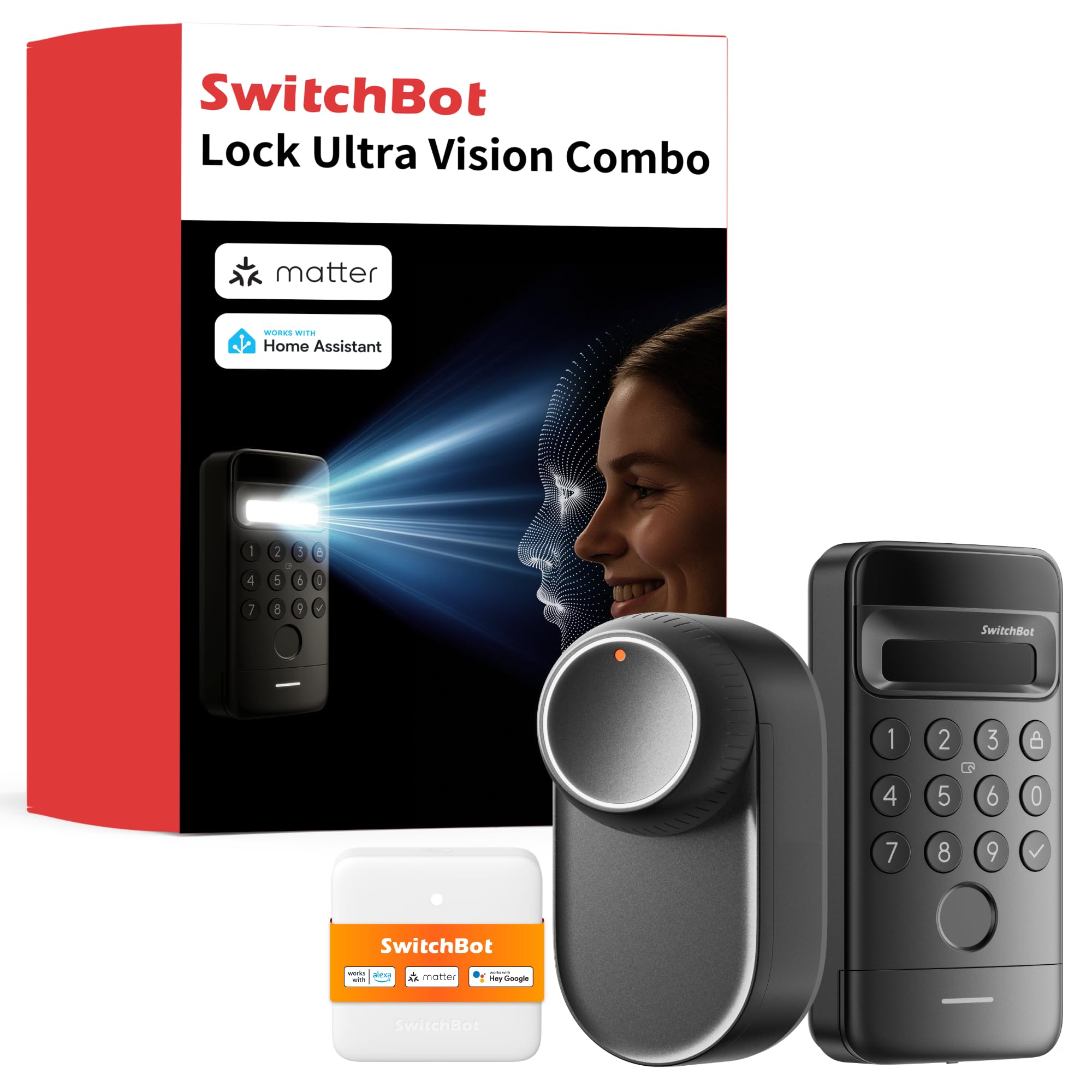
SwitchBot WiFi Smart Lock Ultra with Keypad Vision, 3D Face Recognition, Fingerprint Door Lock, Smart Door Lock, Fits Your Existing Euro Profile Cylinder, Supports Matter, Alexa, Google, IFTTT
This is the most complete package in the lineup, combining broad access methods, modern smart home support, and UK-friendly euro profile compatibility. At £299.99 with a 4.5★ rating from 682 reviews, it balances advanced features with strong user approval.
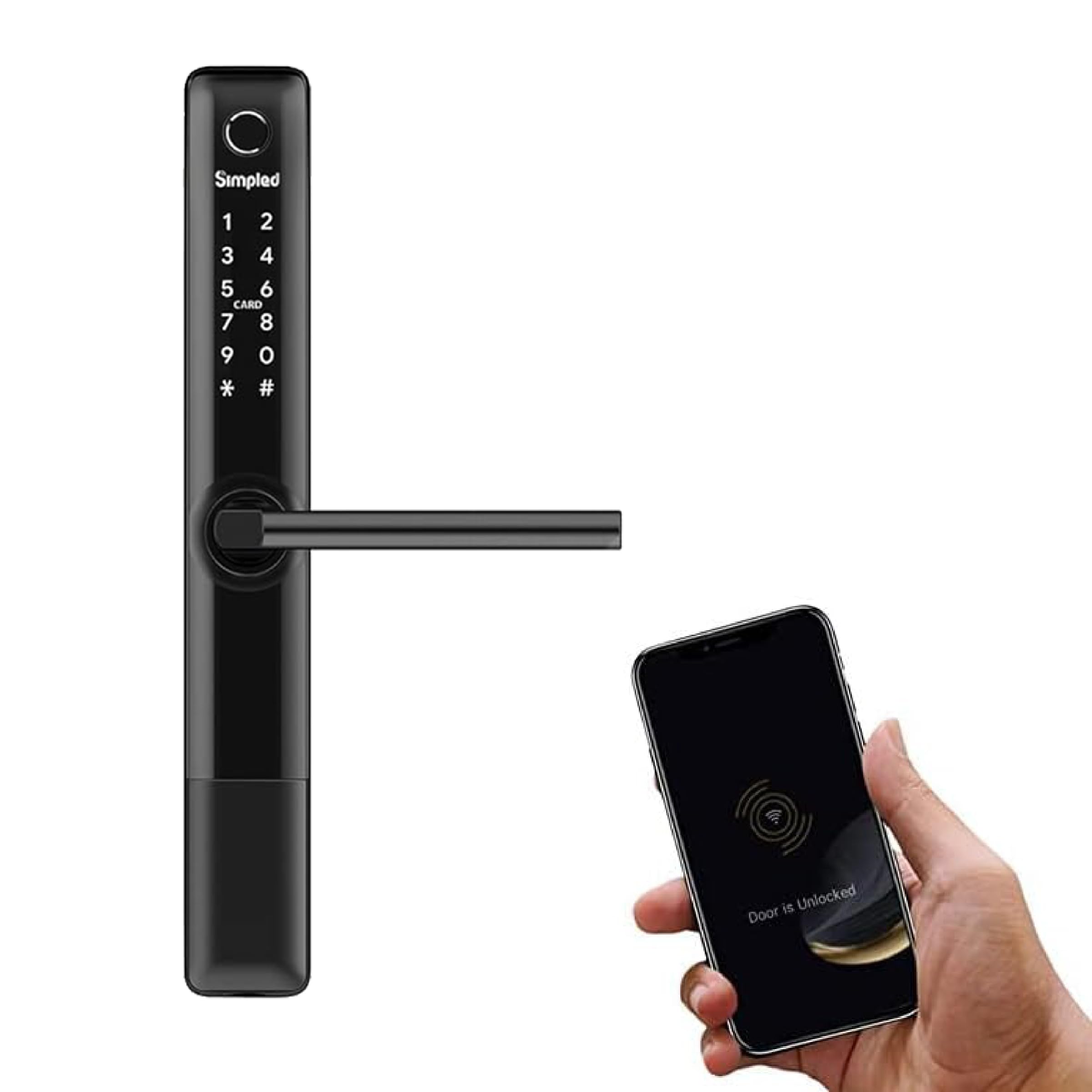
Simpled SF Weatherproof SlimSeries Smart Lock Touch, 7-in-1, Fingerprint Keyless Security Entry Door Lock, Bluetooth Electronic Deadbolt, Smartphone Access - Designed for The UK Weather, Matt Black
At £209.00, this gives you a genuinely useful smart lock experience without paying for premium extras you may not need. Its weatherproof design and 4.0★ rating from 712 reviews make it a sensible, lower-risk buy for UK homes.

SCHLAGE BE499WBCEN619 Encode Plus Smart WiFi Deadbolt Lock, Satin Nickel
With 1292 reviews and a 4.1★ rating, this is the most established premium option in the list. It suits buyers who want a mature, well-known product and are confident it fits their door format and installation requirements.
Smart locks are no longer niche gadgets for tech enthusiasts. In the UK, they’re increasingly a practical upgrade for families, landlords, Airbnb hosts, and anyone who wants keyless entry without sacrificing security. But the category is easy to get wrong because the marketing often focuses on convenience features — fingerprint readers, face recognition, app control — while downplaying the basics that determine whether the lock will actually suit your door and work reliably in British weather.
The first thing to understand is that a smart lock is only as good as its fit. UK homes commonly use euro profile cylinders, multipoint locking doors, and a mix of timber, composite, and uPVC entrance doors. That means the most important question is not “Which lock has the most features?” but “Which lock fits my door type without compromising the existing hardware?” For example, the SwitchBot WiFi Smart Lock Ultra with Keypad Vision is designed to fit your existing euro profile cylinder, which is a major advantage for many UK properties because you do not need to replace the whole lock mechanism. That can simplify installation and preserve the physical security of the door. By contrast, a deadbolt-style product like the SCHLAGE BE499WBCEN619 Encode Plus Smart WiFi Deadbolt Lock is excellent in markets where deadbolts are standard, but buyers in the UK must check very carefully whether the format suits their door and cylinder setup before even thinking about app features.
Compatibility is the first buying factor because a smart lock that doesn’t fit properly can be worse than no smart lock at all. A poor fit can cause alignment issues, sticking, motor strain, or reduced resistance to forced entry. If you are replacing a cylinder on a UK front door, look for explicit euro profile compatibility, clear measurements, and confirmation that the lock works with your existing multipoint system. The SwitchBot model stands out here because it is built around the existing cylinder rather than requiring a full hardware rethink. The Simpled models are also clearly aimed at UK users, and that matters: their “weatherproof” positioning suggests they are designed with typical British exterior conditions in mind, which is something many imported smart locks fail to address.
The second factor is unlock methods. A good smart lock should give you more than one way in, because convenience is only valuable if access remains reliable when your phone battery dies or your Wi-Fi drops. The best systems combine app access, PIN codes, fingerprint entry, physical key fallback, and sometimes auto-unlock or face recognition. The SwitchBot WiFi Smart Lock Ultra with Keypad Vision is the most feature-rich option in the list, with 3D face recognition, fingerprint access, keypad entry, app control, and support for Matter, Alexa, Google, and IFTTT. That breadth is useful because it gives you options for family members, guests, and emergencies. The Simpled SF Weatherproof SlimSeries Smart Lock Touch offers a 7-in-1 approach, including fingerprint and smartphone access, which is a strong middle ground for buyers who want flexibility without paying premium prices. The SCHLAGE Encode Plus is also a strong contender for convenience, especially for users already invested in a compatible smart home ecosystem, but again the door compatibility issue is the deciding factor for UK buyers.
The third factor is security architecture, and this is where many shoppers get distracted by the wrong things. A fingerprint sensor or face recognition camera is not automatically “more secure” than a well-designed PIN system with strong app authentication. What matters is how the lock handles stored credentials, whether access can be revoked quickly, and whether there is a trusted fallback if the smart functions fail. In practical terms, you want a lock with secure local authentication where possible, sensible app permissions, and a clear audit trail of who entered and when. The SwitchBot system’s support for Matter is a useful sign because Matter is designed to improve interoperability and reduce dependence on a single app ecosystem. That does not make it magically more secure, but it does improve long-term flexibility and can reduce the risk of being locked into a poorly supported platform.
The fourth factor is weatherproofing and build quality. This is especially important in the UK, where external doors face rain, damp, cold snaps, and temperature swings. A smart lock mounted on a front door must survive more than just occasional drizzle; it needs to keep working in wet, windy conditions and not become sluggish in winter. The Simpled range is explicitly marketed as weatherproof and designed for UK weather, which is not just a marketing flourish — it suggests the lock has been considered for outdoor exposure. That matters for the keypad, fingerprint sensor, and motorized components. A lock with a nice app but poor sealing or temperature tolerance will become frustrating very quickly. If the product listing includes an IP rating, treat that as meaningful evidence of protection against dust and moisture. If it doesn’t, be cautious about placing it on a fully exposed front door.
The fifth factor is power and backup access. A smart lock is a security product, so it must remain usable when the battery is low. Look for clear battery life estimates, low-battery alerts, and a backup method that does not depend on the internet. In real life, the best smart locks warn you well before failure and still allow entry via PIN, fingerprint, or mechanical key. This is one of the biggest differences between a reliable system and an annoying one. A door lock that dies without warning creates an emergency; a good lock gives you weeks of notice and multiple fallback options. When comparing products, pay attention to whether the app is known for reliable alerts and whether the lock supports emergency power or physical override. Even a premium model is only as good as its backup plan.
The sixth factor is app quality and ecosystem support. This is where many smart home products quietly succeed or fail. A lock can have excellent hardware, but if the app is clunky, slow to connect, or unreliable with guest codes, the experience becomes a daily annoyance. Good app software should let you manage users easily, create temporary access, view activity logs, and receive notifications without delay. The SwitchBot Ultra’s support for Alexa, Google, IFTTT, and Matter suggests broad ecosystem flexibility, which is valuable if you already use smart speakers or home automation routines. By contrast, more basic Bluetooth-only systems can be perfectly fine for solo users or smaller households, but they may feel limiting if you want remote access or guest management. For landlords, short-term rental hosts, and busy families, app quality is not a bonus feature; it is central to whether the lock is practical.
Now let’s talk about common mistakes buyers make. The first is buying for features instead of fit. A buyer sees face recognition and assumes it is the best option, then discovers the lock does not suit their door type or requires a major installation change. That is an expensive way to learn that compatibility matters more than headline specs. The second mistake is underestimating the importance of weatherproofing. A smart lock that works beautifully indoors may struggle on an exposed UK front door if the keypad or sensor is not designed for rain and cold. The third mistake is ignoring backup access. Some buyers love the idea of app-only entry until their phone dies, the battery depletes, or a guest arrives while the Wi-Fi is down. A smart lock should make access easier, not create a new single point of failure.
Another common error is assuming all smart locks are equally secure because they are electronic. In reality, security depends on the full system: the lock body, the cylinder, the authentication methods, and the account protection on the app side. A fingerprint reader is convenient, but if the lock is poorly installed or the cylinder is weak, the overall system may still be vulnerable. Likewise, a premium-looking product can still be a poor choice if it lacks clear user management or reliable notifications. The best smart locks balance convenience with robust physical security and sensible digital controls.
Budget is where the differences become clearer. At the budget end, around £200 to £220, you are typically paying for a solid core feature set rather than a fully polished premium experience. The Simpled SF Weatherproof SlimSeries Smart Lock Touch at £209.00 and the Simpled SF-SPS Weatherproof Slim Series Smart Lock at £209.00 are the clearest examples here. Both are designed for UK weather and are rated 4.0★ from 712 reviews, which suggests decent real-world acceptance. At this level, expect fingerprint or smartphone access, Bluetooth connectivity, and a practical everyday experience, but not necessarily the most advanced ecosystem integration. This tier is best for buyers who want keyless entry and weather resistance without stretching the budget.
In the mid-range, roughly £250 to £300, you start to see better feature density and more flexible access methods. The Simpled EF Weatherproof SlimSeries Smart Lock Touch at £250.00 is a good example of a step up in the same family, offering the same 7-in-1 approach and weatherproof design with a slightly higher price point. The SwitchBot WiFi Smart Lock Ultra with Keypad Vision at £299.99 sits at the top of this band and offers much more advanced convenience features: WiFi, keypad, 3D face recognition, fingerprint access, and broad smart home compatibility. This is the tier where smart locks begin to feel genuinely seamless for households with multiple users or for people who want remote control and automation. The trade-off is that you are paying for the ecosystem and convenience layer as much as the hardware itself.
At the premium end, above £300, you are typically paying for brand reputation, refined software, and higher-end integration rather than simply a stronger lock body. The SCHLAGE BE499WBCEN619 Encode Plus Smart WiFi Deadbolt Lock at £346.05 is the premium product in this list, with a strong 4.1★ rating from 1292 reviews. That review volume matters because it suggests a more established product with a broader user base, which can be reassuring if compatibility is confirmed. Premium buyers should expect better app polish, dependable Wi-Fi features, and a more mature ecosystem. However, premium does not automatically mean best for UK homes; the correct format and door compatibility remain crucial.
When choosing among these products, the best overall pick is the SwitchBot WiFi Smart Lock Ultra with Keypad Vision. It offers the strongest combination of features, flexibility, and future-proofing in the list. The 3D face recognition, fingerprint access, keypad, Matter support, and compatibility with Alexa, Google, and IFTTT make it the most versatile option for modern households. It is also designed to fit an existing euro profile cylinder, which is a major UK-friendly advantage. If you want a smart lock that can serve a family, support guests, and integrate with a broader smart home setup, this is the most compelling all-rounder.
The best value pick is the Simpled SF Weatherproof SlimSeries Smart Lock Touch at £209.00. It is significantly cheaper than the premium options while still offering 7-in-1 access, fingerprint entry, smartphone control, and weatherproof design tailored for UK conditions. With 4.0★ from 712 reviews, it has enough user feedback to suggest it is a proven everyday option rather than a speculative gadget. This is the smart choice for buyers who want reliable keyless entry without paying for advanced ecosystem features they may never use.
The best premium pick is the SCHLAGE BE499WBCEN619 Encode Plus Smart WiFi Deadbolt Lock at £346.05. Its 4.1★ rating from 1292 reviews gives it strong credibility, and the large review count suggests it has been tested by many users over time. If your door format suits a deadbolt-style lock and you want a premium, established product with strong Wi-Fi convenience, it is a serious contender. The caveat is that UK buyers must verify fit and installation suitability before committing, because a premium lock that does not suit the door is not a premium solution at all.
A final practical tip: before buying, measure your door, confirm the lock type, and decide how you will use it day to day. If you need guest access, choose a model with easy code management and app controls. If your front door is exposed to rain, prioritise weatherproofing and a reliable keypad or fingerprint sensor. If you want the least hassle, choose a lock that fits your existing cylinder rather than forcing a full hardware change. The best smart lock is not the one with the longest spec sheet — it is the one that disappears into daily life and still works when you need it most.
Frequently Asked Questions
Do I need Wi-Fi for a smart lock to work?
Not always. Many smart locks work over Bluetooth for local control, while Wi-Fi adds remote access, notifications, and integrations. If you want to lock or unlock the door when you’re away, or manage guests remotely, Wi-Fi is worth having.
Are fingerprint and face recognition safer than PIN codes?
Not automatically. They are often more convenient, but overall security depends on the quality of the lock, the app, the backup access methods, and how well the hardware is installed. A strong PIN system with good app controls can be very secure.
What should UK buyers check before ordering a smart lock?
Confirm door type, cylinder compatibility, backset/measurements, weather exposure, and whether the lock supports your preferred access method. For UK homes, euro profile compatibility and weatherproofing are especially important.
Love picks like this?
Get weekly product recommendations straight to your inbox.
Curated by Fortress Home on All The Top Picks
As an Amazon Associate we earn from qualifying purchases.