The Best Electric Guitars & Amps to Buy in 2026: A Practical Guide for Beginners and Serious Players
Buying your first electric guitar or amp can feel overwhelming because the gear looks similar online but behaves very differently in real life. This guide explains the features that actually matter — from pickup type and neck feel to amp wattage, speaker size, effects, and whether a smart practice amp can replace a traditional combo. We’ve also included specific recommendations from the products we reviewed, so you can match your budget and playing goals with gear that will genuinely help you improve. Whether you want to practise quietly at home, rehearse with a band, or build a reliable gigging rig, this guide will help you make a confident choice.
Top Picks

Positive Grid Spark 2 50W Smart Guitar Practice Amp & Bluetooth Speaker with Built-in Looper, AI Features & Smart App for Electric, Acoustic, & Bass Guitar
It offers the strongest mix of sound quality, practice tools, and convenience at £229.00, making it ideal for beginners and home players. The 50W output, Bluetooth, looper, and smart app features help you practise more and waste less time chasing tone.
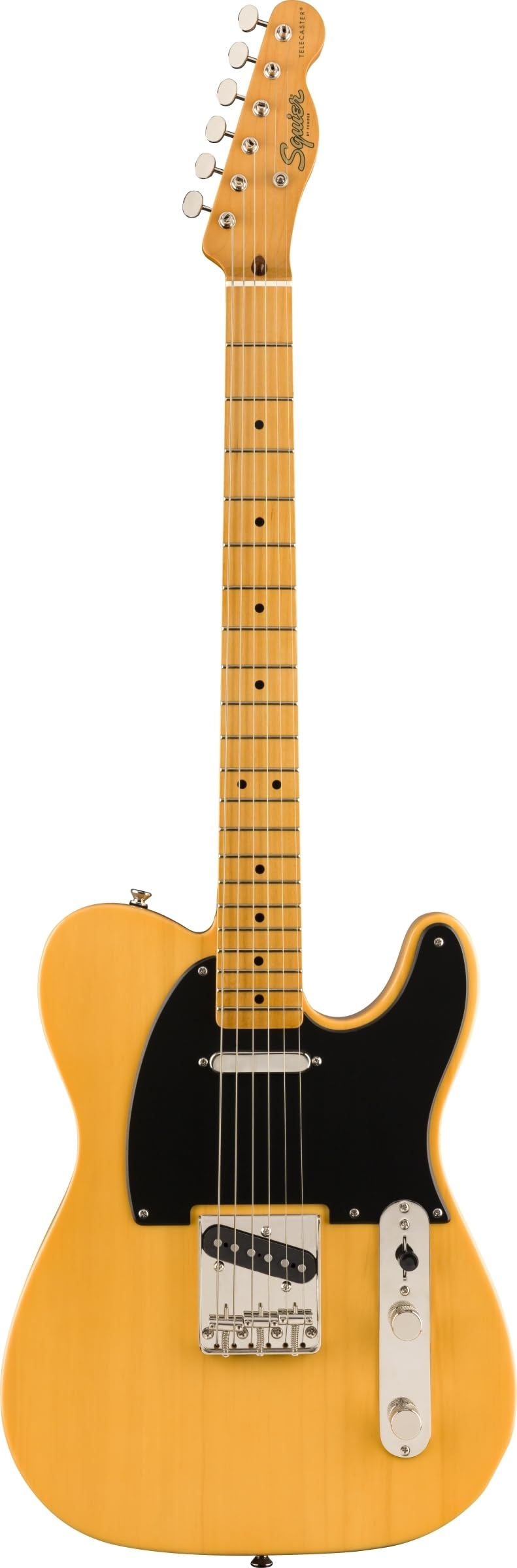
Squier by Fender Classic Vibe '50s Telecaster, Butterscotch Blonde
At £354.00, it delivers a more refined playing experience than the cheaper Affinity model without jumping into premium pricing. It is the best long-term buy for players who want a proper Telecaster feel they can grow with.
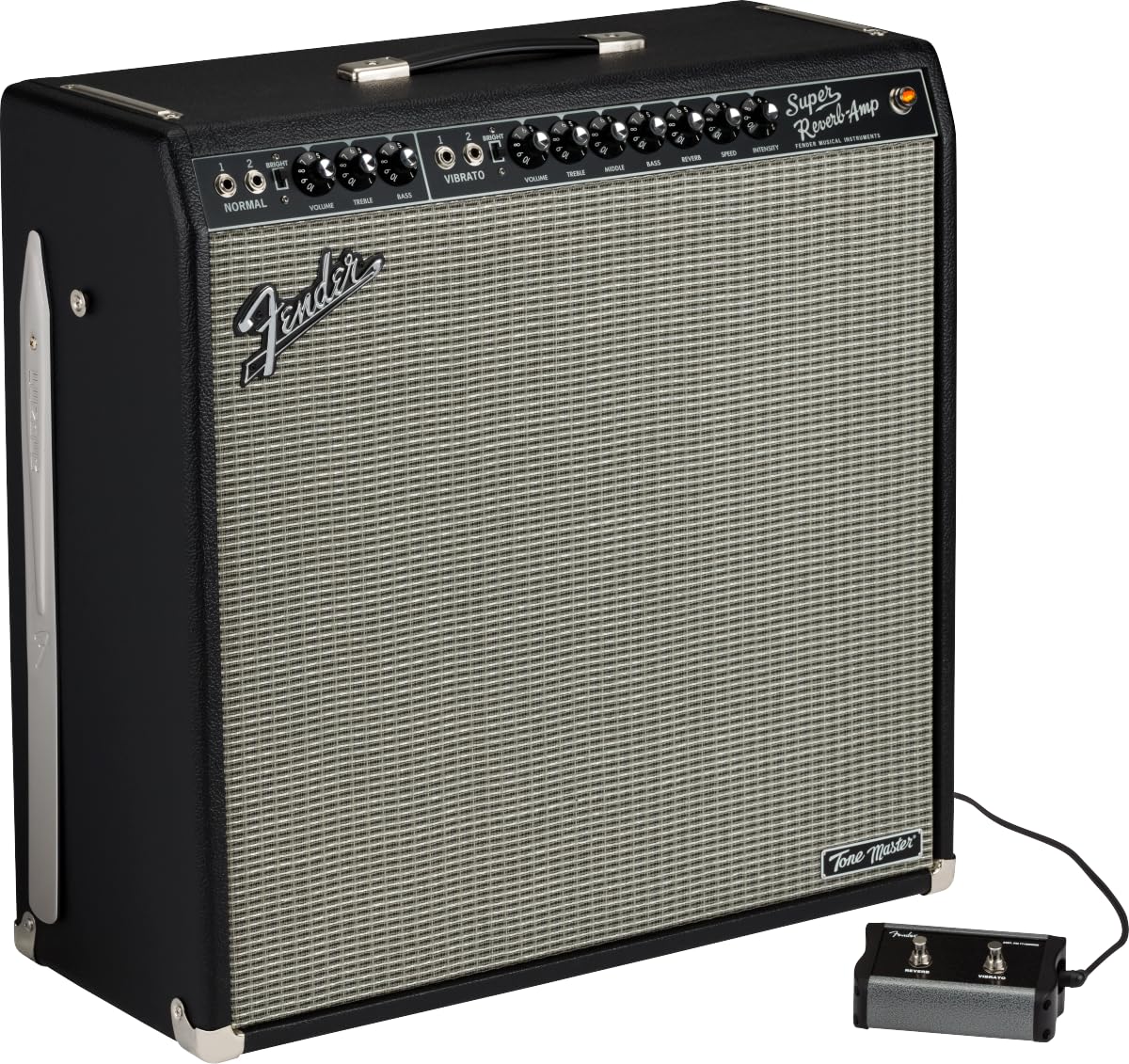
Fender Tone Master Super Reverb
At £2,069.88, this is a serious amp for experienced players who want a top-tier Fender-style platform. Its 4.9★ rating suggests it delivers the kind of professional performance that justifies the cost for the right user.
What to look for when buying an electric guitar or amp
1) The guitar’s feel matters more than the logo
If you are new to electric guitars, the biggest mistake is assuming all budget instruments feel the same. They don’t. The neck profile, fretwork, body shape, and balance determine whether you want to keep playing after ten minutes or after two hours. A guitar like the Squier by Fender Affinity Series Telecaster at £239.00 is attractive because it gives you the familiar Telecaster layout at an entry-level price, while the Classic Vibe '50s Telecaster at £354.00 usually offers a more refined feel, better hardware, and a more convincing vintage-style playing experience. For many players, that extra spend translates into better tuning stability and a guitar that feels less like a compromise.
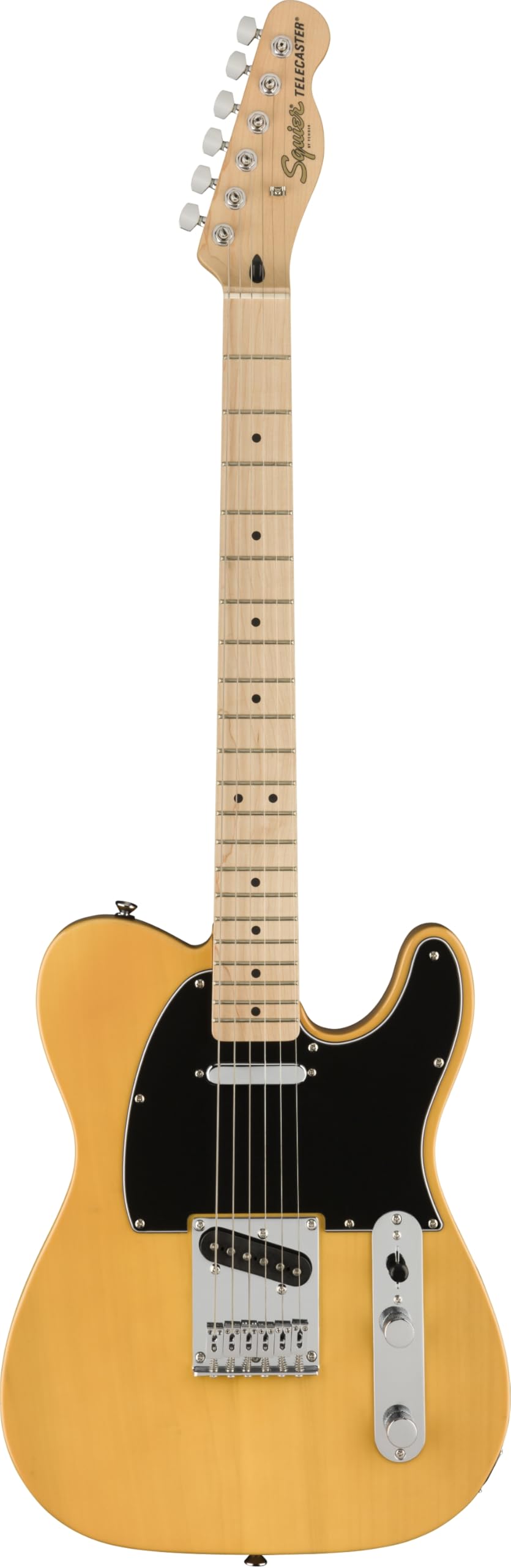
Squier by Fender Affinity Series Telecaster, Electric Guitar, Maple fingerboard, Butterscotch Blonde
The key lesson: if the guitar feels awkward, you will practise less. Look for a comfortable neck, sensible weight, and a body shape that suits how you sit or stand. Telecasters are famously straightforward and stable, which is why they are a classic first serious guitar.
2) Pickups shape the voice of the instrument
Pickups are the guitar’s microphone, and they have a huge effect on tone. Most beginner buyers focus on colour or finish, but pickup type is what determines whether the guitar sounds bright and twangy, thick and warm, or somewhere in between. Telecasters traditionally use single-coil pickups, which are articulate, punchy, and excellent for clean tones, country, indie, pop, and classic rock. They can be more susceptible to hum than humbuckers, but that clarity is often exactly what players want.
Both reviewed Teles — the Squier Affinity Telecaster and the Squier Classic Vibe '50s Telecaster — are aimed at players who want that classic single-coil character. If you are learning chords, riffs, and lead lines, single-coils can actually help because they reveal your technique more clearly. On the other hand, if you want heavier rock tones, you may eventually prefer humbuckers, but that’s outside this specific shortlist.
Squier by Fender Classic Vibe '50s Telecaster, Butterscotch Blonde
3) Amp power is not just about volume
A common beginner mistake is buying the loudest amp they can afford, assuming more watts means better sound. In practice, amp design, speaker size, and whether the amp is intended for home use or live performance matter more than the raw wattage figure. The Positive Grid Spark 2 is a 50W smart practice amp with Bluetooth and built-in app features, and it is designed to sound full at manageable home volumes. The Fender Champion 100 is a much more traditional 100-watt combo amp, which gives you far more headroom and enough output for rehearsal or small gigs. The Fender Tone Master Super Reverb is the premium option here, and while it is a digital modelling amp rather than a valve combo, it is built to deliver a convincing, stage-ready Fender-style platform with serious volume and portability benefits.
Positive Grid Spark 2 50W Smart Guitar Practice Amp & Bluetooth Speaker with Built-in Looper, AI Features & Smart App for Electric, Acoustic, & Bass Guitar
For home players, “too loud” is often a problem, not a feature. A great practice amp should sound good at low volume. For gigging, you want enough clean headroom, a speaker that can move air, and a tone that stays usable when pushed.
4) Speaker size changes how the amp feels under your hands
Speaker size is one of the most overlooked specs in amp shopping. A larger speaker generally moves more air and can sound bigger, fuller, and more open. Smaller speakers can be tighter and more focused, but may not project as well. The Fender Champion 100 uses a 2x12 combo configuration, which is a big part of why it can sound more expansive than smaller practice amps. That dual-speaker format helps with clean spread and stage projection.

By contrast, a smart practice amp like the Spark 2 is built for desktop or bedroom use, where convenience and versatility matter more than filling a venue. If your main use is home practice, recording ideas, or playing along with tracks, a smaller-format amp can be the right choice even if it is not the loudest option on paper.
5) Effects and app features can be genuinely useful — if they don’t get in the way
Modern practice amps often include built-in effects, presets, Bluetooth audio, looper functions, and companion apps. These are not gimmicks if you use them well. The Positive Grid Spark 2 stands out because it combines a built-in looper, Bluetooth speaker functionality, and AI-assisted features in one unit. That means you can practise with backing tracks, explore tones quickly, and build routines without needing a board full of pedals.
The danger is buying a feature-heavy amp and never learning the basics of tone. Use the effects to inspire practice, not to hide weak technique. For beginners especially, a smart amp can remove friction and keep you playing. For experienced players, it can be a powerful sketchpad for songwriting and home recording.
6) Pedals are for shaping personality, not fixing bad tone
The Fender Tre-Verb is a dedicated digital reverb/tremolo pedal at £219.00. It’s not an amp replacement; it’s a tone-shaping tool. Reverb adds depth and space, while tremolo gives you that pulsing, vintage movement associated with surf, Americana, indie, and classic Fender textures. A good pedal matters because it can transform a perfectly decent amp into something more expressive.

Fender Tre-Verb, Guitar Effect Pedal, Digital Reverb/Tremolo,
Many buyers make the mistake of buying pedals too early, before they know what their amp naturally sounds like. If you are starting from scratch, get a good guitar and a good amp first. Then add a pedal like the Tre-Verb when you know you want those specific effects in your sound.
Common mistakes buyers make
Buying for specs instead of use case
A player might see a 100W amp and assume it is automatically “better” than a 50W practice amp. But if they live in a flat and only play at home, the Fender Champion 100 may be unnecessary and difficult to enjoy at low volume. In that case, the Spark 2 is likely the smarter buy because its feature set is designed for practice, recording, and casual playing.
Choosing the cheapest guitar and planning to upgrade later
This often backfires. A very cheap guitar can have poor fretwork, unstable tuning, or a neck that makes barre chords unnecessarily difficult. Spending a little more on the Squier Classic Vibe '50s Telecaster over the Affinity Telecaster can be worthwhile if it gives you better playability, because playability directly affects how much you practise.
Ignoring the amp and blaming the guitar
A great guitar through a poor amp can sound flat and uninspiring. New players often spend all their budget on the instrument and forget that the amp is half the sound. If your amp has limited tone shaping or sounds harsh, even a good Telecaster will not show its best side.
Buying too much pedalboard too soon
A common real-world example: a beginner buys a guitar, a separate amp, three pedals, patch cables, and a power supply, then spends more time troubleshooting than playing. If you are starting out, the Spark 2 can cover practice, effects, and playback in one box, which is a much cleaner way to learn what sounds you actually use.
Overlooking practical details like portability and noise
A beautiful amp that is too heavy to move, too loud for your home, or too complicated to set up can become a dust collector. The Tone Master Super Reverb is a premium example: it makes sense for players who need a serious stage or studio amp, but it is not the obvious choice for a first-time buyer in a small room.
Budget breakdown: what your money gets you
Budget: around £200–£250
At this level, you are looking for the best balance of affordability and playability. The standout here is the Squier by Fender Affinity Series Telecaster at £239.00 and the Positive Grid Spark 2 at £229.00. The Affinity Tele gives you a proper Fender-style electric guitar platform without a huge upfront spend, while the Spark 2 gives you a surprisingly complete practice rig with 50W output, Bluetooth, a looper, and app integration.
What you get in this tier: a solid first guitar or a highly versatile practice amp. What you usually don’t get: premium fretwork, top-tier hardware, or the kind of tonal nuance you’d expect from higher-end gear. Still, this is the sweet spot for beginners who want something usable and inspiring.
Mid-range: around £300–£500
This is where value gets serious. The Squier Classic Vibe '50s Telecaster at £354.00 is a strong step up in feel and refinement over the Affinity model, and the Fender Champion 100 at £482.03 gives you a proper gig-capable combo with 100W of power and a 2x12 format. If you want a guitar you can keep for years, the Classic Vibe is the better long-term instrument. If you need a versatile amp for rehearsals, band practice, or larger rooms, the Champion 100 is the practical choice.
What you get in this tier: better hardware, more confidence in tuning and feel, and amps with enough power to move beyond bedroom use. What you’re paying for is not just volume, but reliability and headroom.
Premium: £2,000 and above
The Fender Tone Master Super Reverb at £2,069.88 sits firmly in premium territory. With a 4.9★ rating from 15 reviews, it is clearly aimed at players who already know what they want: a high-end Fender-style amp experience with modern practicality. This is for serious gigging musicians, studio players, and tone purists who want a flagship-level platform rather than a starter solution.
What you get in this tier: premium construction, a more refined user experience, and a professional-grade sound that can justify the investment for the right player. What you’re not buying is convenience for beginners. This is a specialist tool, not an all-rounder for someone still deciding whether they like the instrument.
Top picks by category
Best overall: Positive Grid Spark 2 50W Smart Guitar Practice Amp & Bluetooth Speaker
The Spark 2 is the best overall choice for most players because it solves the biggest problem in guitar buying: staying inspired to practise. At £229.00 with a 4.5★ rating from 1,064 reviews, it combines a 50W amp, Bluetooth playback, a built-in looper, and smart app features in one compact package. It is especially strong for beginners, home players, and anyone who wants an amp that encourages regular playing rather than just sitting in the corner.
Best value: Squier by Fender Classic Vibe '50s Telecaster
At £354.00, the Classic Vibe '50s Telecaster is the best value guitar in this list because it offers a more mature, refined playing experience without jumping into premium pricing. With a 4.4★ rating from 465 reviews, it is the kind of guitar that can take a player from learning basics to playing live or recording without feeling like an immediate upgrade is necessary.
Best premium: Fender Tone Master Super Reverb
The Tone Master Super Reverb is the premium pick because it targets players who need a serious, high-end amp platform and are willing to pay for it. At £2,069.88 and 4.9★ from 15 reviews, it is clearly positioned as a professional-level choice, ideal for experienced guitarists who want Fender-style tone with modern practicality and stage-ready performance.
How to match the gear to your situation
If you are a complete beginner, start with the Spark 2 or the Affinity Telecaster depending on whether you need an amp or a guitar first. If you want a guitar that will stay satisfying as your playing improves, the Classic Vibe '50s Telecaster is the smarter long-term buy. If you are building a rehearsal or gigging rig, the Champion 100 gives you real power and a more traditional amp feel. If you already know your tone and need a premium stage tool, the Tone Master Super Reverb is the serious option. And if you want to shape your sound with classic ambience, the Tre-Verb is an excellent finishing touch rather than a starting point.
The best electric guitar or amp is not the one with the most features or the highest price. It is the one that makes you want to play more often, sound better sooner, and trust your gear when it matters.
Frequently Asked Questions
Should I buy the guitar or the amp first?
If you already have a playable guitar, buy the amp first because it shapes most of what you hear. If you do not own a guitar yet, start with the guitar — but leave room in your budget for a decent amp, because even a good instrument will sound uninspiring through a poor one.
Is a 50W practice amp enough for home use?
Yes, absolutely. A 50W amp like the Positive Grid Spark 2 is more than enough for home practice, and what matters more is how good it sounds at low volume. For flats and bedrooms, features like headphone use, app control, Bluetooth playback, and built-in effects can be more valuable than raw power.
Why would I choose a Telecaster over other electric guitars?
A Telecaster is simple, reliable, and famously versatile. Its single-coil pickups give you a bright, articulate tone that works well for clean playing, indie, country, pop, and classic rock, and its straightforward design makes it a great first serious guitar as well as a lifelong workhorse.
Love picks like this?
Get weekly product recommendations straight to your inbox.
Curated by Keys & Strings on All The Top Picks
As an Amazon Associate we earn from qualifying purchases.