Best Digital Pianos & Keyboards to Buy in 2026: A Practical Guide for Beginners, Players and Home Studios
Choosing a digital piano can feel confusing if you’re new to the category, because the prices, features and “feel” vary a lot. This guide breaks down what really matters: key action, sound quality, connectivity, speaker performance and value for money. We’ll also highlight the best options from our reviewed models so you can buy with confidence, whether you’re learning at home, gigging, or upgrading from a basic keyboard.
Top Picks
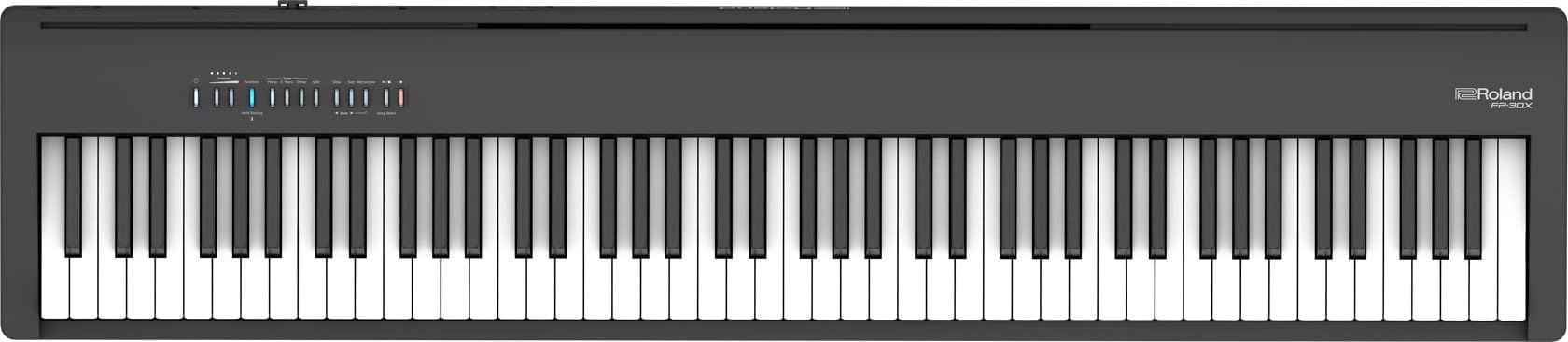
Roland FP-30X | Slim & Stylish 88-Note Digital Piano | Rich Tone & Authentic Ivory-Feel | Built-In Powerful Amplifier & Stereo Speakers | Onboard Sounds | Bluetooth & MIDI Connectivity | Black
At £549.00, it hits the sweet spot between realistic key feel, strong sound quality and modern connectivity. It’s versatile enough for practice, home use and serious playing.

Casio CDP-S110BK Digital Piano with 88 Weighted Keys, Black
At £255.00, it delivers full-size weighted keys and a highly rated playing experience without pushing into mid-range pricing. It’s a smart buy for beginners who want proper piano fundamentals.

Roland F107 Digital Piano | Streamlined and Affordable Home Piano with Attractive Modern Design | Perfect for Beginners | Class-Leading Sound and Playability | Onboard Bluetooth® & More
At £699.00, it offers a more refined home-piano experience with a furniture-style design and modern features. It’s ideal if the instrument will live in your home and you want something inspiring to sit at every day.
A good digital piano should do two things well: inspire you to play and stay out of the way. That means the keys should feel convincing, the sounds should be musical rather than thin or synthetic, and the instrument should suit your space and budget. If you’re buying in the UK, it’s also worth thinking about whether you need a compact portable model, a furniture-style home piano, or something with extra connectivity for recording and practice apps.
Here are the key factors to focus on.
1) Key action and key count
For piano learning, 88 keys is the standard choice. It gives you the full range of an acoustic piano and avoids outgrowing the instrument too quickly. The most important thing after key count is action. Weighted or hammer-action keys are designed to mimic the resistance of an acoustic piano, which helps build proper finger strength and technique. Semi-weighted keys are lighter and can feel easier for synth parts or casual playing, but they are not as convincing for serious piano study.
Among our reviewed models, the Roland FP-10, Roland FP-30X, Casio CDP-S110BK, Yamaha ARIUS YDP-105, Roland F107, Donner DEP-10S, STRICH SDP-300S and both MUSTAR models all offer 88 keys. The Roland FP-10 is a standout because it combines a compact 88-note design with authentic acoustic feel, while the Roland FP-30X steps up with a more refined playing experience. The Casio CDP-S110BK is also a strong choice if you want a straightforward weighted 88-key piano at a lower price.
2) Sound engine and polyphony
A digital piano’s sound engine determines how convincing the piano tones feel. Higher-quality models tend to have richer samples, better note decay and more expressive dynamics. Polyphony matters too: it’s the number of notes the piano can produce at once. Higher polyphony is especially useful when using the sustain pedal, layering sounds or playing more complex pieces. While manufacturers don’t always make polyphony easy to compare in listings, it’s still a key spec to check when you’re comparing models.
Roland’s SuperNATURAL piano tones in the FP-10 and FP-30X are a big reason these models are so well regarded. They sound more responsive and musical than many budget competitors. Yamaha’s ARIUS YDP-105 is aimed at home players who want a traditional piano experience, while Casio’s CDP-S110BK is known for offering a polished sound at a very accessible price.
3) Connectivity: MIDI, Bluetooth and practice tools
If you plan to use apps, record at home, or connect to a computer or tablet, MIDI connectivity is essential. USB-MIDI is the most common and practical option for modern players. Bluetooth MIDI is even more convenient for wireless app control and practice software. Bluetooth audio can also be useful if you want to play along with backing tracks through the piano’s speakers.
The Roland FP-10 and FP-30X both include Bluetooth and MIDI connectivity, which makes them especially versatile for learning apps and home recording. The Roland F107 also includes Bluetooth, making it appealing for modern home use. Several budget models, including the STRICH SDP-300S and both MUSTAR options, list USB-MIDI or wireless connectivity, which is helpful if you want to connect to a laptop or tablet without spending premium money.
4) Speakers and cabinet design
Built-in speakers matter more than many beginners expect. A piano with weak speakers can sound boxy and make practice less enjoyable. For portable models, speaker power is important because you’ll often rely on the onboard sound rather than external monitors. For home pianos, the cabinet design can improve projection and make the instrument feel more like a real upright.
The Roland FP-30X is a particularly strong option here thanks to its built-in powerful amplifier and stereo speakers. It is a great all-rounder for home use and small performances. The Roland F107 is more of a furniture-style home piano with a modern design, while the Yamaha ARIUS YDP-105 is ideal if you want a traditional-looking instrument for the living room. The STRICH SDP-300S includes 25W x2 speakers, which is impressive on paper for a budget model, while the Donner DEP-10S and MUSTAR models add value by including stands, pedals or benches in the package.
5) Form factor, extras and real-world value
Think about where the piano will live. If you need portability for rehearsals, lessons or small gigs, a slim portable model is usually best. If the piano will stay in one room, a home cabinet style may be more satisfying. Also look at what’s included: a proper sustain pedal, triple-pedal setup, stand and bench can save you money later and improve the playing experience from day one.
The Donner DEP-10S and MUSTAR bundles are attractive because they include accessories that help beginners get started immediately. That said, package deals can hide compromises in key feel or sound quality, so it’s worth balancing convenience against playability. More established brands like Roland, Casio and Yamaha tend to cost more, but they usually deliver better long-term satisfaction.
Common mistakes to avoid
A very common mistake is buying a 61-key keyboard when you really need 88 weighted keys. If your goal is to learn piano properly, 61 keys will feel limiting quickly. Another mistake is choosing semi-weighted keys for serious classical or graded exam work; they can be fine for casual use, but they don’t properly replicate piano technique. Buyers also often overlook speaker quality and connectivity, then regret it when they want to use learning apps or record into a DAW. Finally, don’t assume the cheapest bundle is the best value: a bench and stand are useful, but not if the instrument itself feels uninspiring.
Price tiers: what to expect
Budget: around £200-£350
In this range, you’ll find models like the MUSTAR 88 Key Piano Keyboard (£209.99), MUSTAR Digital Piano 88 Weighted Keys (£209.99), Casio CDP-S110BK (£255.00), STRICH SDP-300S (£297.49) and Donner DEP-10S (£302.07). Expect 88 keys, basic to decent weighted or semi-weighted action, built-in speakers and useful starter bundles. This is the sweet spot for beginners who want full-size keys without overspending.
Mid-range: around £350-£600
This is where the Roland FP-10 (£349.00) and Roland FP-30X (£549.00) shine, along with the Yamaha ARIUS YDP-105 (£595.00). You should expect noticeably better key action, more convincing piano tone, better connectivity and a more satisfying playing experience overall. If you’re serious about learning or want an instrument that won’t feel like a compromise in a year or two, this is the most sensible range for many players.
Premium: £600 and up
At this level, the Roland F107 (£699.00) sits in the home-piano category with a more refined cabinet style and strong modern features. Premium buyers should expect improved sound projection, better furniture-style aesthetics, and a more polished ownership experience. This tier makes the most sense if the piano will be a permanent part of your home and you want something that looks and feels closer to an acoustic upright.
Top picks from our reviewed models
Best overall: Roland FP-30X
At £549.00, the FP-30X offers a strong balance of authentic 88-note playability, rich tone, Bluetooth and MIDI connectivity, and built-in amplification. It’s the kind of digital piano that works for beginners, advancing players and home recording alike.
Best value: Casio CDP-S110BK
At £255.00, the CDP-S110BK is one of the best entry points into proper weighted 88-key playing. It’s simple, affordable and backed by a strong 4.7-star rating, making it an easy recommendation for buyers who want the essentials done well.
Best premium: Roland F107
At £699.00, the F107 is aimed at players who want a stylish home piano with modern features and strong playability. It’s a great choice if you want a more furniture-like instrument that feels permanent and inspiring in the home.
Other notable picks
Roland FP-10 (£349.00) is excellent for beginners who want an authentic feel without spending too much. Yamaha ARIUS YDP-105 (£595.00) is a solid home piano choice with a classic upright aesthetic. Donner DEP-10S (£302.07) and the MUSTAR bundles are worth a look if you want maximum accessories for minimum spend, though they are more about value than refinement.
Frequently Asked Questions
Do I need 88 keys on a digital piano?
If you want to learn piano properly, yes, 88 keys is strongly recommended. It matches the full range of an acoustic piano and avoids limitations as your repertoire gets more advanced.
What is the difference between weighted and semi-weighted keys?
Weighted or hammer-action keys are designed to feel closer to an acoustic piano and are better for technique development. Semi-weighted keys are lighter and can feel easier for casual playing, but they are less realistic for serious piano study.
Is Bluetooth MIDI worth having?
Yes, if you plan to use learning apps, connect to a tablet or work with software on a computer. Bluetooth MIDI makes setup easier and is especially useful for modern practice and recording workflows.
Love picks like this?
Get weekly product recommendations straight to your inbox.
Curated by Keys & Strings on All The Top Picks
As an Amazon Associate we earn from qualifying purchases.