Fat-tire comfort or commuter practicality: which URLIFE e-bike wins?
These two URLIFE e-bikes aim at slightly different riders, even though both sit in the same budget-friendly 250W UK-legal category. Product A is the chunkier 20-inch fat-tire model with a higher-voltage 48V battery and a more rugged all-terrain feel, while Product B is the more conventional 26-inch hardtail-style mountain bike with a 7-speed drivetrain and lower entry price. If you want the best choice for UK roads, hills, range, comfort, and everyday usability, the differences matter more than the headline range claims. The right pick depends on whether you value stability and comfort or lower cost and more traditional commuting manners.
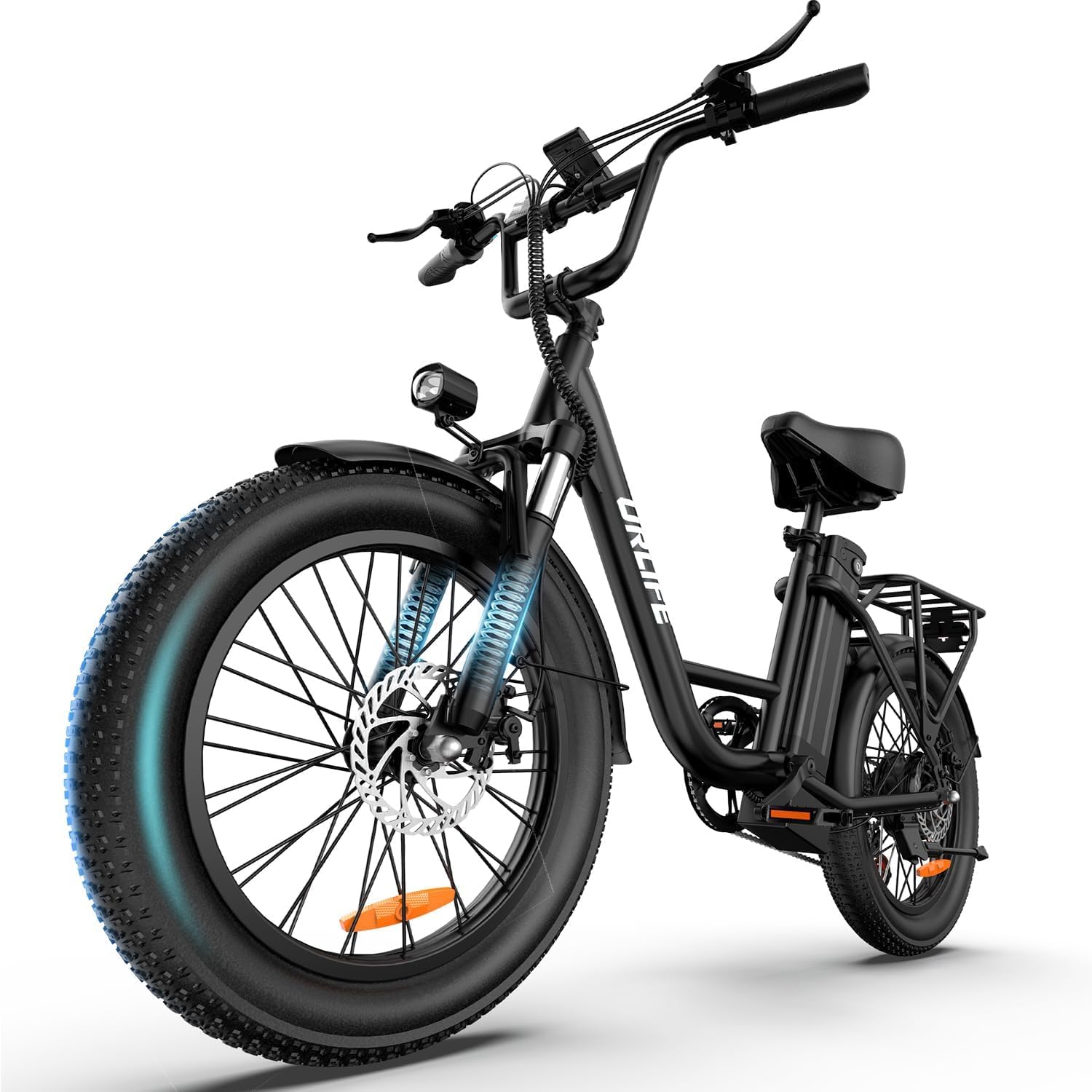
URLIFE Electric Bike for Adults, 20" x 3.0 Fat Tire Electric Bicycle with Colorful Display, 250W Motor Ebike, 48V 13Ah Removable Battery, 100 KM Max, All-Terrain E-Bike for Adults and Teens (BLACK)
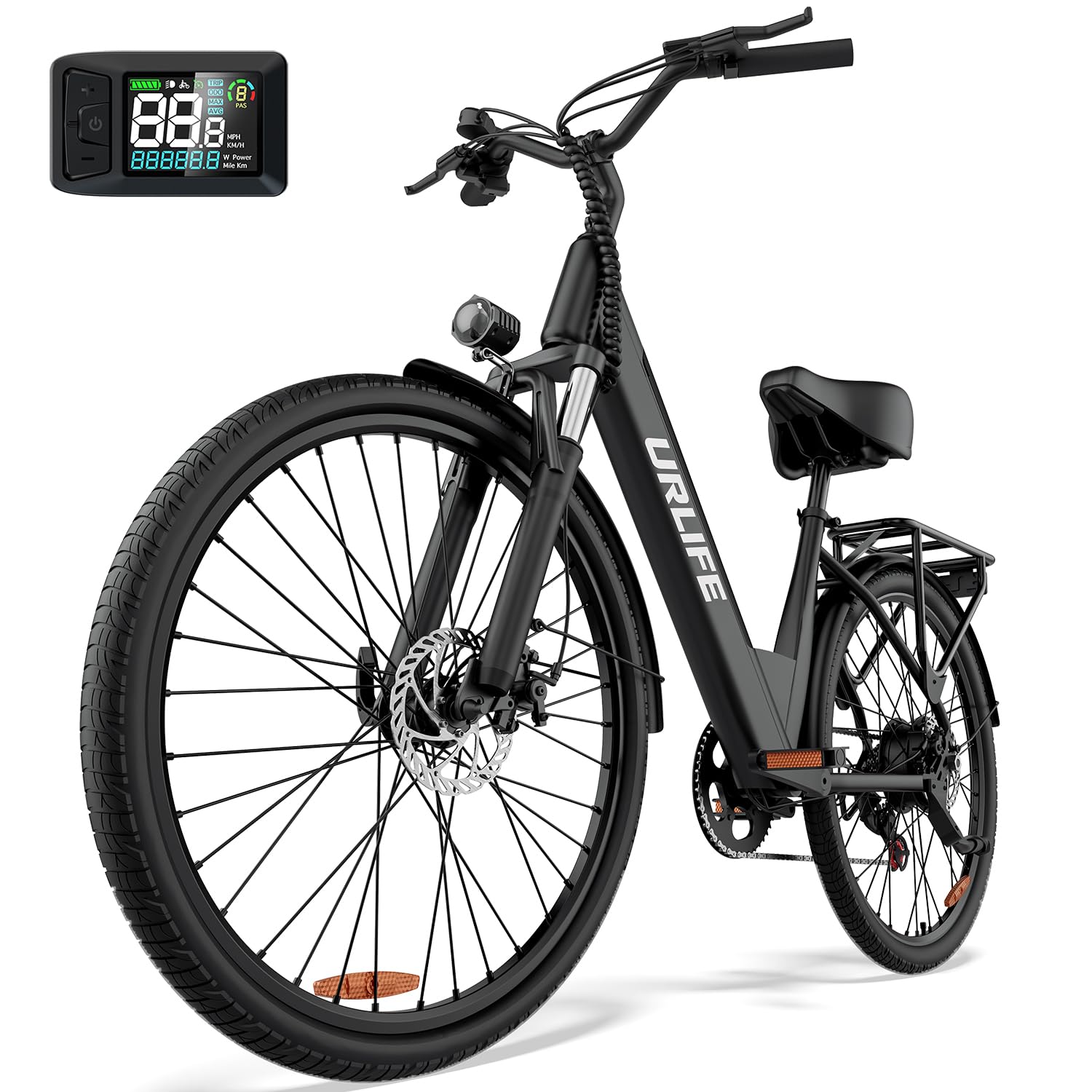
URLIFE 26" Electric Bike for Adults, Electric Mountain Bike with LCD Display, 36V 13AH Removable Battery 250W Brushless Motor, 7-Speed Derailleur 80KM Max Range Ebike Commute MTB
Our Recommendation
Product B is the better overall buy for most people because it costs £105 less, has a more practical 26-inch format, and includes a 7-speed derailleur that makes everyday riding easier. Its 36V 13Ah battery is smaller than Product A’s, but it is still a solid 468Wh setup for commuting and casual rides. Unless you specifically want fat tyres and the extra punch of a 48V system, Product B offers the better balance of price, usability, and real-world value.
Detailed Comparison
Display
Product A wins on paper because its colorful display sounds more modern and easier to read at a glance than a basic LCD, especially if you like a brighter, more visual cockpit. That said, neither product lists advanced smart features such as app connectivity, navigation, or detailed ride data, so this is mostly about readability and presentation rather than functionality. Product B’s LCD display is likely more conventional and perfectly adequate for speed, battery level, and assist mode. Winner: Product A, but only narrowly, because the colorful display is a nicer premium touch.
Performance
This is the most important category, and Product A has the edge in real-world ride feel. The 48V 13Ah battery gives it 624Wh of capacity, versus Product B’s 36V 13Ah battery at 468Wh, so A has more energy available and should feel stronger under load, especially on hills or when carrying extra weight. Both are listed as 250W brushless motors, which keeps them within UK EAPC expectations if speed assistance cuts out at 15.5 mph, but voltage matters for how the bike feels when accelerating and climbing. Product A’s 20 x 3.0 fat tyres also add grip and comfort on rough ground, gravel, wet roads, and potholed city streets. Product B’s 26-inch format and 7-speed derailleur make it more like a traditional e-MTB/commuter hybrid, which can be easier to pedal when the battery is low. Winner: Product A for stronger assist potential and more confidence on mixed terrain.
Build quality and design
Product A is the more distinctive bike, with 20-inch fat tyres that should deliver a planted, stable ride and a tougher-looking stance. Fat tyres are excellent for comfort and loose surfaces, but they also add rolling resistance and weight, so the bike may feel less lively on smooth tarmac. Product B’s 26-inch format is more conventional and likely better for riders who want a familiar mountain-bike geometry and easier handling in town. The 7-speed derailleur on Product B is a practical advantage because it gives you proper gearing flexibility when riding unassisted or conserving battery. In terms of frame material, braking system, and IP rating, neither listing provides enough detail to judge properly, which is a concern for both. Winner: Product B, because the 26-inch platform and 7-speed setup suggest more everyday versatility and easier maintenance.
Battery life
Product A wins decisively here. Its 48V 13Ah battery equals 624Wh, and the quoted 100 km max range is plausible only under ideal conditions: low assist, light rider, flat routes, mild weather, and careful pacing. Product B’s 36V 13Ah battery is 468Wh and claims up to 80 km, which is more realistic for a smaller-capacity pack and still respectable for commuting. In the real world, expect far less than the maximum on either bike if you use higher assist, tackle hills, ride in cold weather, or carry luggage. Even so, A has the better battery specification and should offer more margin before range anxiety sets in. Winner: Product A.
Price and value for money
Product B wins clearly on value. At £424.99, it is £105 cheaper than Product A’s £529.99, and it also has a stronger review count at 74 versus 51, which suggests more buyers have found it acceptable. If you are simply trying to get a usable 250W e-bike for commuting or casual riding, B gives you the more affordable entry point without sacrificing the core legal format. Product A only justifies its higher price if you genuinely need the fat tyres, extra voltage, and more rugged all-terrain character. Winner: Product B.
Features and user experience
Product A appeals to riders who want comfort, visual impact, and a more off-road-friendly feel. The fat tyres should smooth out broken roads and light trails, and the higher-voltage battery should make the bike feel more relaxed under load. Product B is better suited to practical commuting because the 7-speed derailleur helps you pedal efficiently, and the 26-inch wheel size usually feels more natural for mixed urban riding. Neither product advertises premium components like Shimano or SRAM groupsets, hydraulic brakes, torque sensing, or a clear IP rating, so both remain budget e-bikes with the usual caveat: after-sales support and parts availability matter a lot. On UK roads, both should be checked carefully for EAPC compliance, especially that the motor is truly limited to 250W continuous and assistance cuts off at 15.5 mph. Winner: Product B for a more straightforward commuting experience, while Product A is more fun and comfort-focused.
Overall summary
Product A is the better bike if your priorities are range, comfort, and all-terrain stability. Product B is the smarter buy if you want the best value, a more conventional riding position, and a lower upfront cost. For most UK buyers, Product B is the more sensible recommendation because it is cheaper, more versatile for commuting, and has the better review volume. But if you regularly ride rough roads, want fat-tire comfort, or simply prefer the more substantial feel of a 48V system, Product A is the more capable machine.
Buy the URLIFE Electric Bike if...
Buy Product A if you want the more comfortable, confidence-inspiring ride on rough roads, gravel paths, or broken city streets. It is also the better choice if you care more about battery capacity and a stronger-feeling 48V setup than about saving money. If your routes are mixed-terrain and you want a more adventure-style e-bike, A makes sense.
Buy the URLIFE 26" Electric if...
Buy Product B if you mainly commute, ride on roads and cycle paths, and want the lower-risk purchase at the better price. It is the smarter option if you prefer a traditional mountain-bike feel and want the benefit of 7 gears for pedalling efficiency. If value for money and everyday practicality matter most, B is the one to choose.
Curated by Volt Rider on All The Top Picks
As an Amazon Associate we earn from qualifying purchases.