Cheaper fat-tyre practicality or pricier commuter kit?
These two 20-inch e-bikes aim at very different buyers, even though the specs overlap on paper. Product A is the budget-friendly fat-tyre option from URLIFE, while Product B asks more money for a more commuter-oriented setup with rear seat, indicators and a larger battery. If you want the best value for UK riding, the key question is not just motor and battery size, but which bike is more usable, better equipped, and more likely to be worth owning after the honeymoon period. That matters especially in the UK, where legality, hill performance, build quality and after-sales support can matter more than headline range claims.
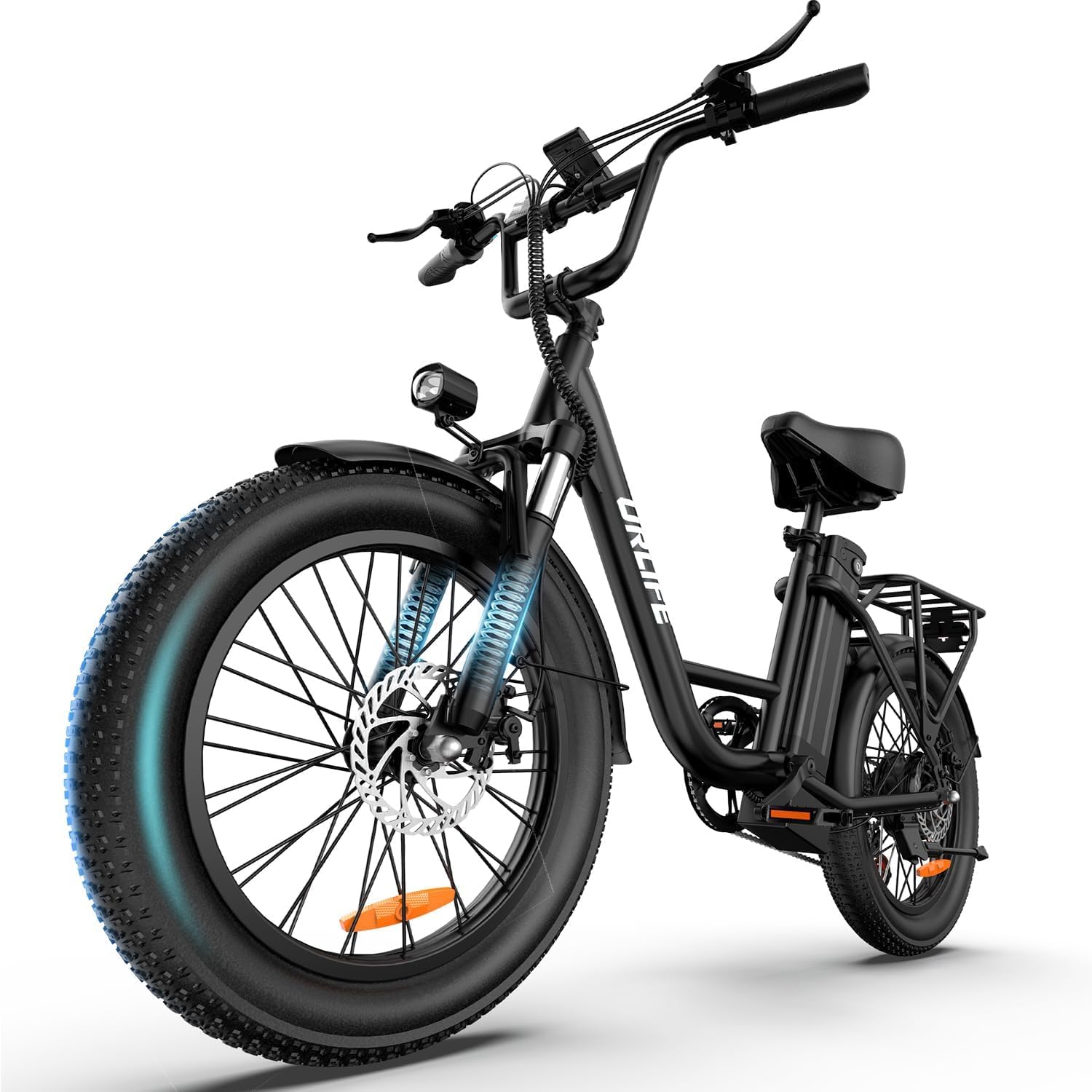
URLIFE Electric Bike for Adults, 20" x 3.0 Fat Tire Electric Bicycle with Colorful Display, 250W Motor Ebike, 48V 13Ah Removable Battery, 100 KM Max, All-Terrain E-Bike for Adults and Teens (BLACK)
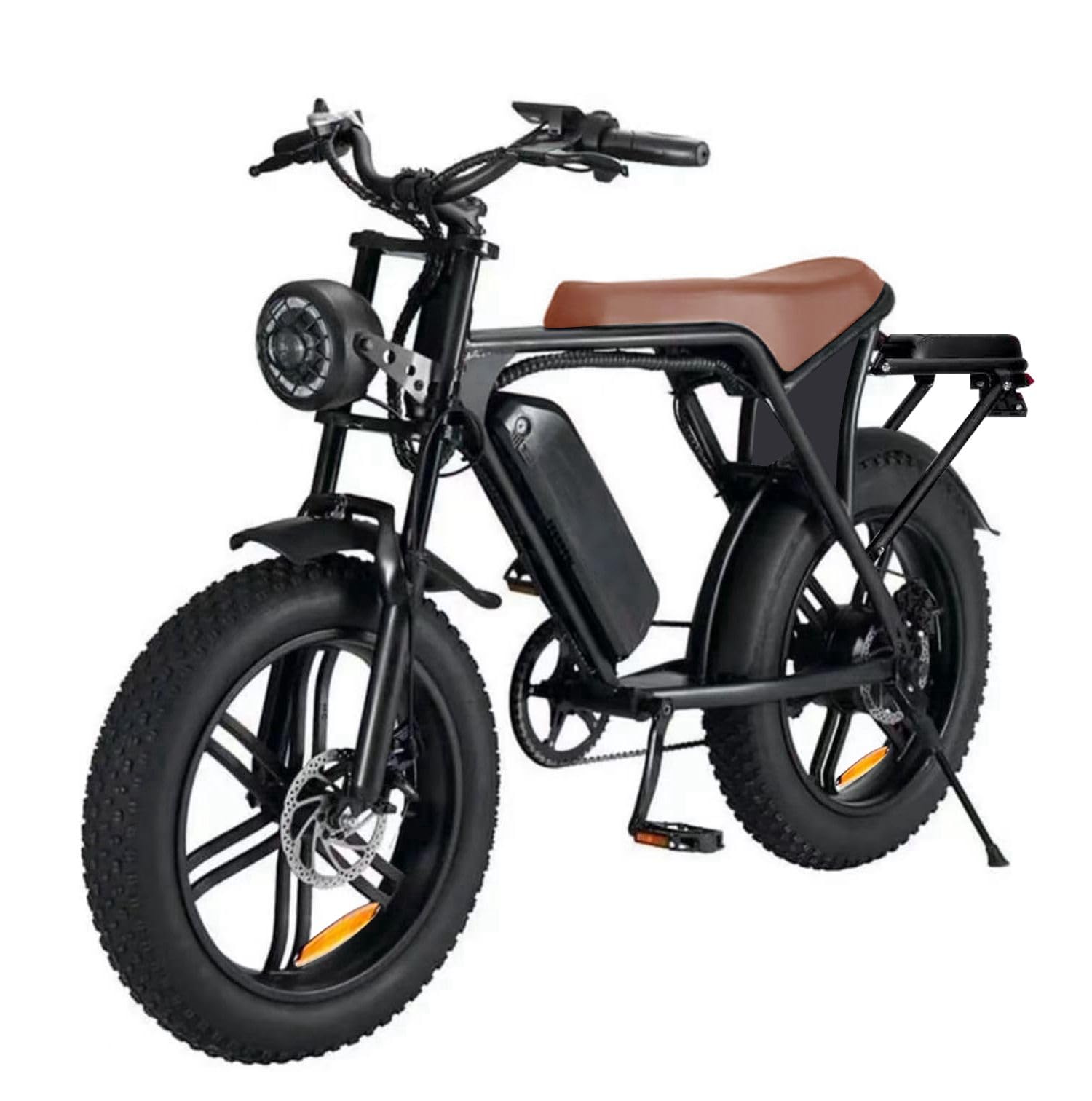
20” Electric Bike, 20 Inch E Bike, Hybrid Bike, Adult Bicycle, 48V 15AH Battery, Brushless Motor, LCD Display, 7 Gear, Rear Seat, Throttle, Suspension, Disc Brakes, Headlight, Indicators, New
Our Recommendation
Product A is the better buy for most UK shoppers because it is £170 cheaper, has a clearly stated 250W motor, and comes from a named brand with more reviews. Its 20 x 3.0 fat tyres also make it more versatile on rough roads, wet paths and light off-road use. Product B has the larger battery and more commuter equipment, but the generic branding and unspecified motor power make it harder to justify at the higher price.
Detailed Comparison
Display
Product A wins on paper for presentation: it has a colourful display, which usually means a more modern, easier-to-read interface than a basic LCD. Product B only says LCD display, with no mention of colour, backlight quality or extra data fields. In practice, both should show the essentials such as speed, battery level and assist mode, but Product A sounds slightly more premium in this area. Winner: Product A, because the colourful display suggests better usability and a more polished user experience.
Performance
This is a close one, but Product B has the stronger spec sheet for real-world riding. It has a 48V 15Ah battery versus Product A’s 48V 13Ah, so it should offer more usable energy and potentially better range, especially if you use higher assist levels or carry weight. Product A’s 250W motor is a major plus for UK buyers because it aligns more clearly with EAPC legal expectations, assuming the bike is speed-limited to 15.5 mph and does not rely on throttle-only propulsion. Product B mentions a brushless motor but does not state wattage, which is a red flag for clarity and legality. If you want the safer legal bet, Product A is easier to trust; if you want more battery reserve and likely stronger commuting stamina, Product B has the edge. Winner: Tie, with Product A winning for UK legality clarity and Product B winning for battery capacity.
Build quality and design
Product A is a 20 x 3.0 fat-tyre bike, which usually means more stability, better comfort on rough paths, and a more confidence-inspiring ride on wet or uneven British roads. Fat tyres can also help with kerbs, towpaths and light off-road use, though they add weight and rolling resistance. Product B looks more like a hybrid/utility bike with suspension, rear seat, disc brakes, headlight and indicators, which makes it better suited to commuting and carrying a passenger or cargo. However, Product B is a generic brand, and that matters: with no clear manufacturer reputation, frame material, fork quality, brake spec or support network, you are taking more of a gamble. Product A’s URLIFE branding at least gives you a defined brand identity, even if it is still a value-focused product. Winner: Product A, because the fat-tyre design is more distinctive and the branded listing gives slightly more confidence than a generic model.
Battery life
Product B wins here. A 48V 15Ah battery has about 720Wh of capacity, while Product A’s 48V 13Ah battery is about 624Wh. That is roughly a 15 percent advantage for Product B, which should translate into better real-world range, all else being equal. Product A claims up to 100 km max range, but that sort of figure is usually based on ideal conditions, low assist, light rider weight and flat terrain. For UK commuting, hills, wind and stop-start riding will reduce that dramatically. Product B does not give a claimed max range, which is less flashy but arguably more honest. Winner: Product B, because the larger battery is the more meaningful spec.
Price and value for money
Product A is the clear winner on value. At £529.99, it is £170 cheaper than Product B, and that is a substantial saving in this market. You are getting a 250W motor, removable 48V battery, fat tyres and a colourful display for noticeably less money. Product B’s extra cost only makes sense if you genuinely need the larger battery, rear seat, indicators and commuter-style equipment. For most buyers, the price gap is too large to ignore, especially when both products share the same 4.3/5 rating and neither has a huge review base. Winner: Product A, decisively.
Features and practicality
Product B is better equipped out of the box for road use and commuting. The rear seat, throttle, suspension, headlight, indicators, disc brakes and 7-speed gearing make it feel more like a utility machine. That said, in the UK the throttle is a concern: if it propels the bike without pedalling beyond legal limits, it may not qualify as an EAPC for road use. Product A is simpler and more focused, with the fat tyres and 250W motor being its standout practical advantages. If you want a bike that is easier to understand, easier to trust legally, and likely simpler to live with, Product A is the cleaner choice. If you want more accessories and a more moped-like setup, Product B offers more kit. Winner: Product B for equipment, but Product A for UK-friendly simplicity.
Overall user experience
For most UK riders, Product A is the better all-round experience because it balances price, legality clarity and a more confidence-inspiring branded identity. Its 250W motor and fat tyres make it appealing for mixed-surface riding, and the lower price reduces the risk if support or parts are not perfect. Product B could be the better bike if you prioritise battery size, commuter accessories and a more feature-packed setup, but the generic branding and unspecified motor power make it harder to recommend as a definitive buy. The 4.3/5 ratings are identical, but Product A has nearly twice as many reviews, which slightly improves confidence in the score. Overall summary: Product A is the safer, better-value purchase for most people; Product B is only worth the extra money if you specifically want the larger battery and the extra commuter features.
Final verdict
Buy Product A if you want the best value, clearer UK-friendly spec, and a fat-tyre bike for mixed terrain, towpaths and general leisure riding. Buy Product B only if you need the bigger 48V 15Ah battery and the added commuter kit, and you are happy paying a significant premium for a generic model.
Buy the URLIFE Electric Bike if...
Buy Product A if you want the best value e-bike for leisure riding, mixed surfaces, and general UK use without spending more than necessary. It is also the better pick if you care about clearer legal positioning with a stated 250W motor and prefer a simpler, more trusted brand listing.
Buy the 20” Electric Bike, if...
Buy Product B if your priority is maximum battery capacity, and you specifically want the rear seat, indicators, suspension and 7-speed setup for commuting or utility use. It makes sense only if you are comfortable paying extra for the added kit and you have checked that the throttle setup still suits UK road legality.
Curated by Volt Rider on All The Top Picks
As an Amazon Associate we earn from qualifying purchases.