Best budget e-bike for commuting: value first, or extra power and kit?
These two bikes target very different buyers even though both are pitched as all-round adult e-bikes. Product A is the simpler, cheaper 26-inch hardtail-style option with a 250W motor and 36V 13Ah battery, while Product B adds a bigger 48V 15Ah battery, throttle, rear seat, suspension, indicators and a more urban utility focus. If you want the best buy for UK roads, hill use, and day-to-day practicality, the details matter more than the headline range claims. The right choice depends on whether you value legality, simplicity and price, or extra equipment and stronger assist feel.
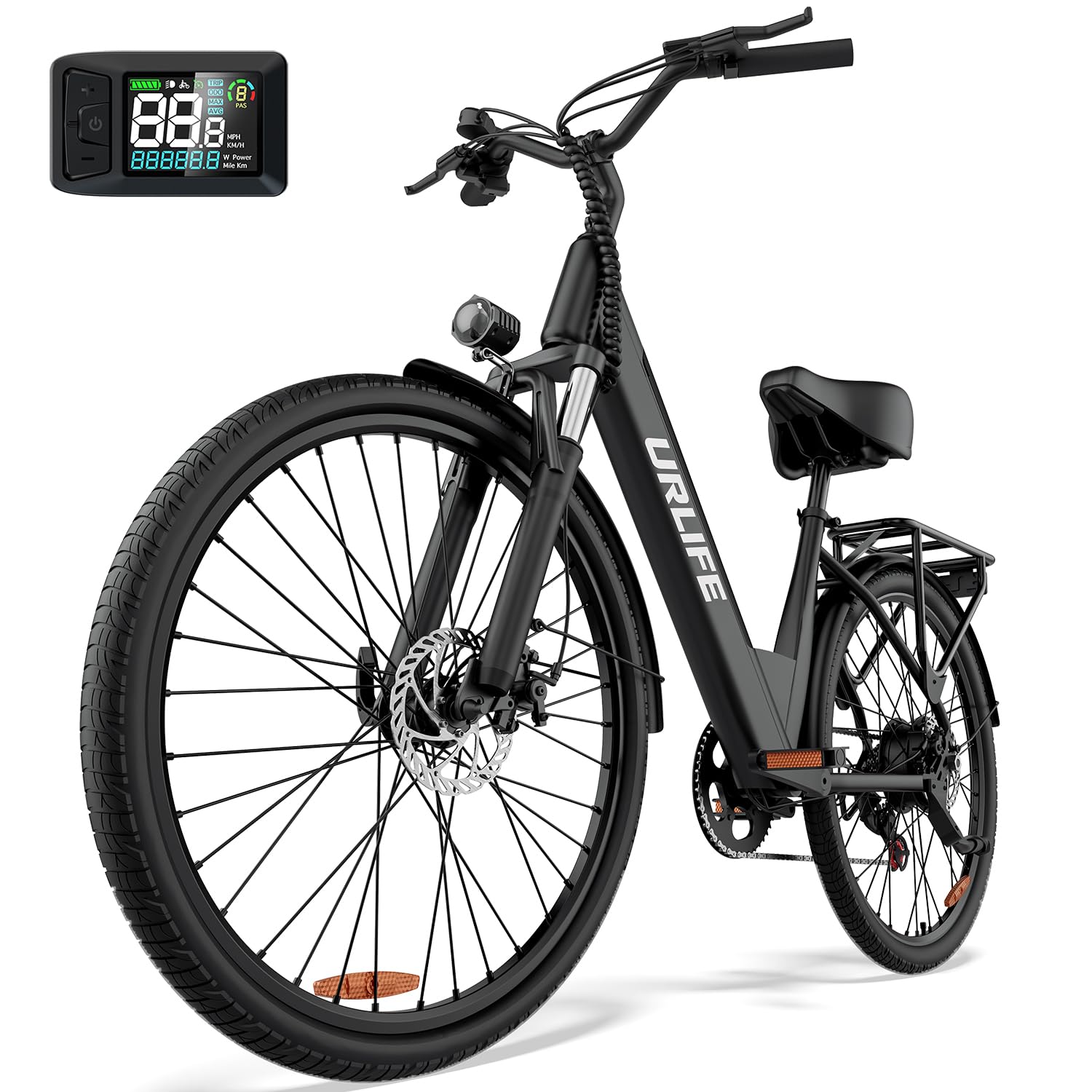
URLIFE 26" Electric Bike for Adults, Electric Mountain Bike with LCD Display, 36V 13AH Removable Battery 250W Brushless Motor, 7-Speed Derailleur 80KM Max Range Ebike Commute MTB
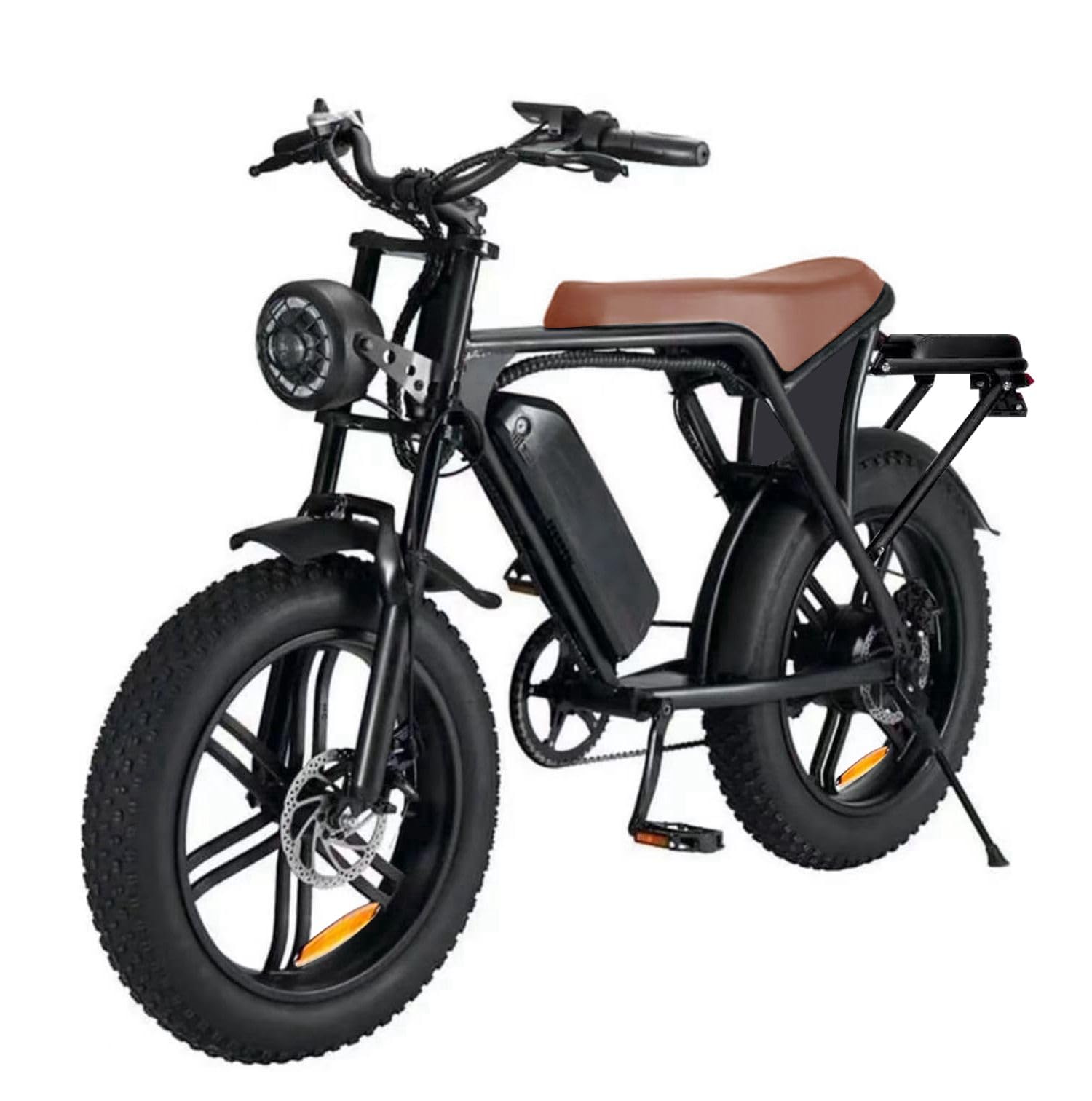
20” Electric Bike, 20 Inch E Bike, Hybrid Bike, Adult Bicycle, 48V 15AH Battery, Brushless Motor, LCD Display, 7 Gear, Rear Seat, Throttle, Suspension, Disc Brakes, Headlight, Indicators, New
Our Recommendation
Product A is the better all-round buy because it is £200 cheaper, uses a 250W motor that aligns much more cleanly with UK EAPC expectations, and comes from a named brand with a more conventional 26-inch commuter/MTB layout. Product B has the bigger 48V 15Ah battery and more features, but the throttle, generic branding, and higher price make it a riskier purchase for everyday UK road use. Unless you specifically need the rear seat and utility extras, Product A is the smarter, safer choice.
Detailed Comparison
Display
Both bikes include an LCD display, but the listing for neither gives much detail on brightness, backlight quality, waterproofing, or app support. That means this category is mostly a draw on paper. In real use, the better display is the one that stays readable in daylight and gives accurate battery and assist information, and there is not enough data here to separate them confidently. Winner: tie.
Performance
This is where Product B has the clear hardware advantage. Its 48V system and larger 15Ah battery suggest a more forceful power delivery than Product A’s 36V 13Ah setup, and that matters for hill starts, carrying cargo, and riding with a passenger. Product A does have the major UK advantage of a 250W motor, which is the familiar EAPC-friendly class for road use when pedal-assist only and speed-limited appropriately. Product B’s throttle and higher-voltage setup may feel punchier, but for UK legality you need to be careful: a throttle-equipped bike may not qualify as a standard pedal-assist EAPC unless it meets strict rules, so the buyer could end up with a machine that is better suited to private land or a more complex legal status. For practical commuting on public roads, Product A wins on legal simplicity; for raw assist strength, Product B wins. Overall winner: Product A, because legality and predictability matter more than the extra shove.
Build quality and design
Product A is a 26-inch electric mountain bike style frame, which usually means a more conventional riding position, better rollover over potholes, and wider compatibility with mixed terrain and commuting. The 7-speed derailleur is basic but sensible, and the removable battery is a strong plus for flat charging and theft reduction. Product B’s 20-inch format, rear seat, suspension, disc brakes, headlight and indicators make it look more like a utility or moped-style e-bike, which can be genuinely useful for urban errands. However, the brand is listed as Generic, and that is a real concern for build consistency, replacement parts, warranty handling and after-sales support. Product A wins on confidence, bike-like handling and likely serviceability; Product B wins only if you specifically want the built-in utility accessories. Winner: Product A.
Battery life
On paper, Product B has the bigger battery at 48V 15Ah, which equals 720Wh. Product A’s 36V 13Ah battery works out at 468Wh. That is a substantial difference, and in the real world Product B should have the longer range, especially if you are using higher assist levels or carrying load. However, range claims depend heavily on rider weight, terrain, wind, tyre pressure and how much throttle is used. Product A’s quoted 80km max range is plausible only in ideal conditions on low assist, whereas Product B’s range is not stated but the battery capacity suggests it could exceed Product A if ridden sensibly. Winner: Product B.
Price and value for money
Product A costs £499.99, which is £200 less than Product B’s £699.99. That is a very large gap in this price bracket, and it changes the value equation dramatically. Product A offers the core essentials: 250W motor, removable battery, LCD, 7-speed gears and a more conventional MTB-style package. Product B gives you more equipment and a bigger battery, but you are paying a premium for a generic-branded bike with legal ambiguity because of the throttle and a less proven support story. For most UK buyers, Product A is the better value because it delivers the features that matter without spending an extra £200 on uncertain extras. Winner: Product A.
Features and practical commuting use
Product B has the more feature-rich spec sheet: throttle, rear seat, suspension, disc brakes, headlight and indicators. If you want a bike that can double up as a utility runabout for short urban trips, those extras are appealing. Still, more features do not automatically mean better ownership. Indicators and throttle can be useful, but they also add complexity, potential failure points, and in the UK they raise questions about legal classification and whether the bike is suitable for normal road use without registration/insurance complications. Product A is simpler, more conventional, and more likely to slot into everyday cycling without fuss. Winner: Product A for most riders; Product B only for niche utility use.
Overall user experience
Product A is the safer, more straightforward buy for the average UK commuter or leisure rider. It is cheaper, easier to justify, and its 250W/36V setup fits the expectations of a legal pedal-assist e-bike much better than a throttle-equipped 48V machine. Product B may feel more powerful and more versatile on paper, but the generic branding, higher price, and legality uncertainty reduce its appeal unless you specifically need the rear seat and extra equipment. If you want the best balance of price, road usability, and lower ownership risk, Product A is the more sensible choice. If you want maximum kit and stronger assist for private use, Product B has the edge on spec, but not on peace of mind.
Overall summary: Product B wins on battery capacity and equipment, but Product A wins the comparison where it matters most for UK buyers: price, simplicity, legal clarity, and lower risk. For most people searching these two bikes, Product A is the definitive buy.
Buy the URLIFE 26" Electric if...
Buy Product A if you want the best value commuter e-bike for UK roads and mixed-use riding, and you prefer a straightforward pedal-assist setup. It is also the better choice if you care about legality, lower upfront cost, and a more conventional bike feel. This is the one to choose for most riders who just want to get to work, the shops, or weekend rides with minimal hassle.
Buy the 20” Electric Bike, if...
Buy Product B if you specifically want the stronger 48V system, larger 15Ah battery, throttle, rear seat, and extra urban utility features. It makes more sense if you are riding on private land, want a moped-style setup, or need the added kit for carrying a passenger or cargo. Be aware that the throttle and generic branding make it a less straightforward UK road purchase.
Curated by Volt Rider on All The Top Picks
As an Amazon Associate we earn from qualifying purchases.