Sony A7 III vs Canon R8: which full-frame body is the smarter buy?
These two full-frame mirrorless cameras look similar on paper, but they suit very different buyers. The Sony A7 III is the older, proven all-rounder with strong battery life, in-body stabilisation and a much lower price. The Canon EOS R8 is newer, lighter and more advanced in autofocus and video, but it arrives with a smaller battery and no IBIS. If you want the best value for photography, video, or a do-everything travel setup, this comparison should make the choice clear.

Sony Alpha 7 III Mirrorless Full Frame Camera with Fast 0.02s Auto Focus, 24.2MP, 5-Axis Image Stabilization, 10fps Continuous Shooting & 4K Video
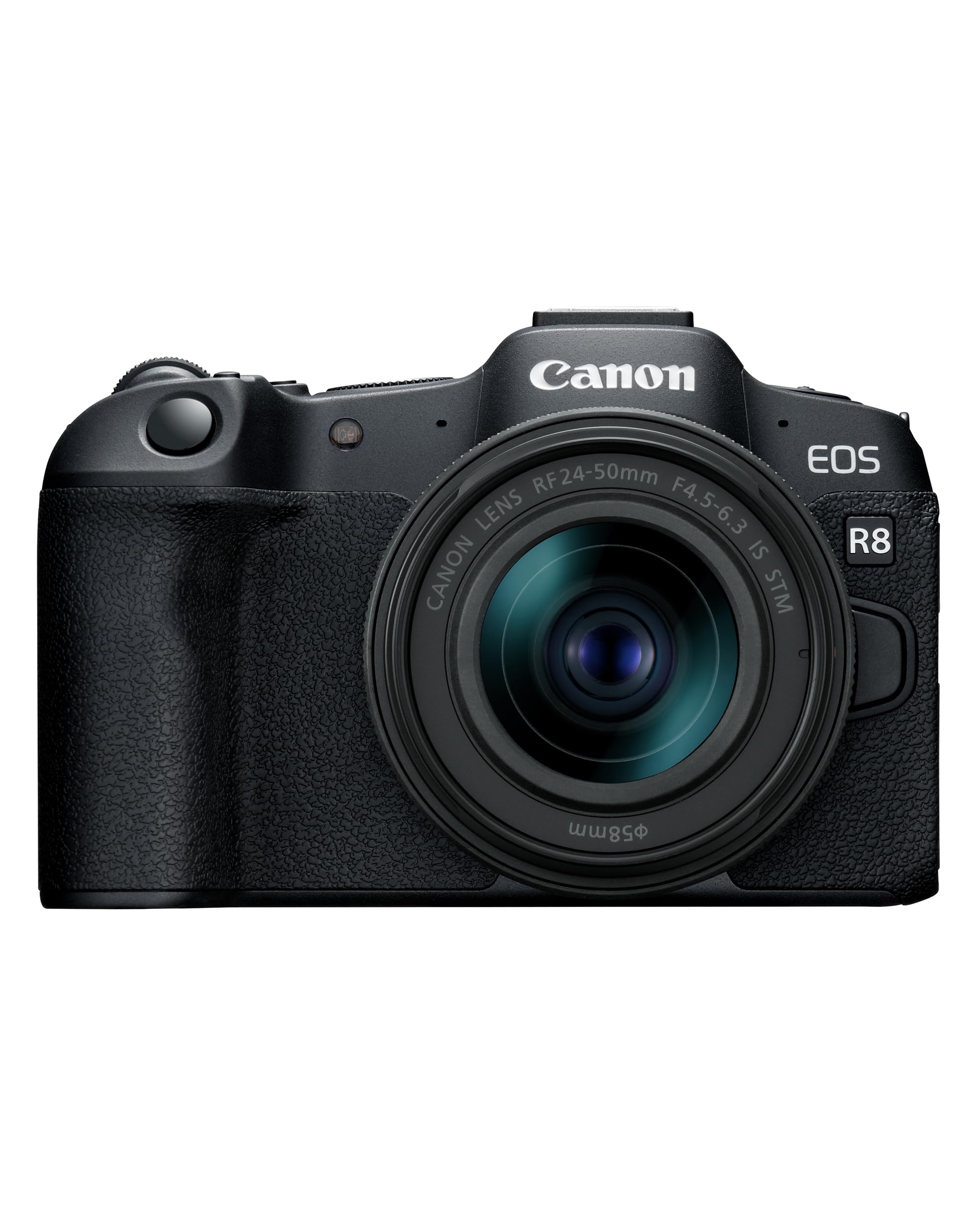
Canon EOS R8 + RF 24-50mm - Mirrorless Digital Camera - 24.2 MP Full-Frame CMOS Sensor - Dual Pixel CMOS AF II - UVC/UAC Compatible
Our Recommendation
The Sony A7 III is the definitive buy for most shoppers because it costs £631 less while still delivering full-frame image quality, 5-axis IBIS, dual card slots and far better battery life. It is the more balanced camera for stills, travel and event work, and its E-mount lens ecosystem is excellent. The Canon R8 is more advanced in autofocus and video handling, but its smaller battery, lack of IBIS and much higher price make it harder to justify as a general-purpose purchase.
Detailed Comparison
Display
The Canon EOS R8 wins on usability for most shooters. Its vari-angle touchscreen is more flexible for vlogging, low-angle work and selfie framing, and Canon’s newer interface feels more responsive. The Sony A7 III has a solid tilting screen, but it is less versatile for video and awkward for front-facing use. If you shoot yourself, film content, or work from unusual angles, the R8’s screen is the better tool.
Performance
The Canon R8 is the faster and more modern camera. Its Dual Pixel CMOS AF II system is excellent, with subject detection that is especially strong for people and animals, and it can shoot up to 40fps electronically, which is far beyond the Sony’s 10fps burst rate. The Sony A7 III still performs well, but its autofocus is from an older generation and is less confident for fast-moving subjects and video tracking. For action, events, and hybrid creators, the R8 wins here.
Build quality and design
The Sony A7 III wins on handling and practical durability. It has a more substantial grip, dual card slots, and a body that feels designed for long-term professional use. The Canon R8 is much lighter and easier to carry, but it is clearly the more stripped-back body: single card slot, smaller battery, and no IBIS. If you want a camera that feels more robust and better suited to demanding paid work, Sony takes this category.
Battery life
Sony wins decisively. The A7 III uses the larger NP-FZ100 battery and is known for excellent real-world endurance, often comfortably lasting a full day of mixed shooting. The Canon R8 uses a smaller LP-E17 battery, which is one of its biggest compromises; heavy autofocus, 4K recording and screen use will drain it quickly, so spare batteries are almost mandatory. For travel, weddings, or long sessions away from power, the Sony is much easier to live with.
Price and value for money
Sony wins on pure value. At £1,198, the A7 III is £631 cheaper than the Canon bundle, and that saving is significant in the UK market. The R8 is newer and includes the RF 24-50mm lens, but the lens is a modest starter zoom and the body itself is expensive for a camera without IBIS or strong battery life. If you are buying the body only, the Sony is the better value; if you need a compact kit right away, Canon’s bundle is convenient but still costly.
Game library/features
If we translate this category into camera features and ecosystem, Canon wins for modern feature set, while Sony wins for lens ecosystem depth. The R8 offers newer autofocus intelligence, excellent eye detection, UVC/UAC webcam compatibility and stronger out-of-camera video convenience. The A7 III, however, benefits from Sony E-mount maturity: there is a huge range of native and third-party lenses at many price points, which makes it far easier to build a kit over time. For features on the body itself, Canon leads; for long-term system choice, Sony has the edge.
Overall user experience
The Canon EOS R8 is the more exciting camera to shoot with if you want modern autofocus, lighter weight and stronger video-oriented handling. It is especially appealing for creators who prioritise subject tracking, face/eye detection and a travel-friendly body. The Sony A7 III is the more balanced and dependable camera for people who value battery life, stabilisation, dual card slots and a lower total cost of ownership. Its 24.2MP full-frame sensor is still very capable, and the 5-axis IBIS is a real advantage for handheld stills and video.
Overall summary: the Canon R8 is the better camera in terms of autofocus, speed and modern usability, but the Sony A7 III is the better buy for most people because it is dramatically cheaper, more practical for long shooting days and more complete as a workhorse body. Unless you specifically want Canon’s newer AF and video features, the Sony delivers the stronger value and the safer long-term purchase.
Buy the Sony Alpha 7 if...
Buy the Sony A7 III if you want the best value full-frame body for photography, events or travel, especially if you shoot all day and need strong battery life. It is also the better choice if you want in-body stabilisation and a more mature lens system with lots of affordable options. Choose it if you care more about dependable real-world performance than having the newest autofocus features.
Buy the Canon EOS R8 if...
Buy the Canon EOS R8 if your priority is autofocus performance, lightweight design and video-friendly operation, especially for vlogging or fast-moving subjects. It is the better pick if you want Canon’s Dual Pixel CMOS AF II, a fully articulating screen and a newer body with modern connectivity. Choose it if you are happy to pay more for a more advanced shooting experience and you plan to carry spare batteries.
Curated by Shutter & Lens on All The Top Picks
As an Amazon Associate we earn from qualifying purchases.