Best budget foldable e-bike or pricier 48V hybrid: which is smarter?
These two bikes look similar at first glance, but they suit very different riders. One is a cheaper branded foldable fat-tyre e-bike with a smaller 36V battery, while the other is a more expensive generic 48V machine with a bigger battery and commuter-style extras. If you want the best mix of real-world range, legal usability in the UK, and long-term support, the differences matter a lot more than the headline specs. This comparison focuses on practical ownership, not just marketing numbers.

SAMEBIKE Foldable Electric Bike for Adults, 20" Fat Tire Ebike with Max Speed 15.5MPH, Max Range 110KM, 36V 432Wh Removable Battery, Electric Bicycle for Men/Women,DB
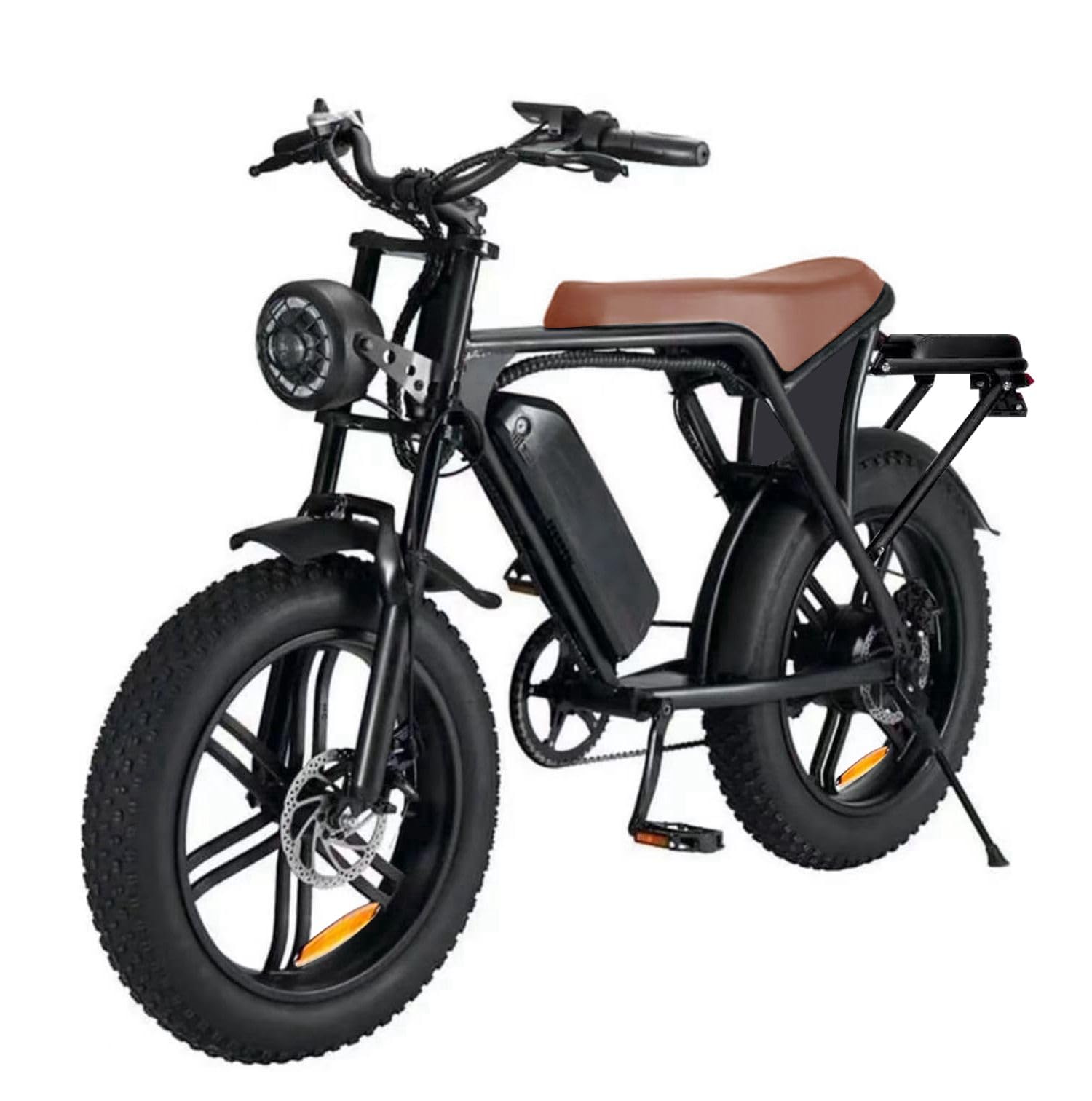
20” Electric Bike, 20 Inch E Bike, Hybrid Bike, Adult Bicycle, 48V 15AH Battery, Brushless Motor, LCD Display, 7 Gear, Rear Seat, Throttle, Suspension, Disc Brakes, Headlight, Indicators, New
Our Recommendation
Product A is the better all-round buy for most UK riders because it is far cheaper, comes from a named brand, and is more likely to be the safer legal bet for road use. Product B does have the bigger 48V 15Ah battery and stronger feature list, but the £240.99 premium is hard to justify when the brand is generic and the throttle raises EAPC compliance concerns. If you want practical commuting value, Product A is the clear winner.
Detailed Comparison
Display
Neither listing gives enough detail to make display quality a true deciding factor. Product B explicitly includes an LCD display, which is useful for speed, battery, and assist-level readouts, but Product A’s display is not clearly specified in the title. That said, on e-bikes the display is a convenience feature rather than the core reason to buy. Winner: Product B, but only by default because it clearly states an LCD display.
Performance
Product B has the stronger electrical package on paper: a 48V 15Ah battery, which is about 720Wh, versus Product A’s 36V 432Wh battery. That is a big gap in usable energy, and it usually translates to stronger acceleration, better hill-climbing potential, and less voltage sag under load. Product A’s title claims a max speed of 15.5mph, which lines up with UK EAPC legal limits for pedal assist, but the smaller battery and likely more modest motor system suggest it is tuned more for compliant, everyday riding than raw punch. Winner: Product B for performance, especially if you face hills or carry extra weight.
Build quality and design
Product A has the advantage of being a named brand, SAMEBIKE, which usually gives buyers a better sense of consistency, parts compatibility, and after-sales support than a fully generic listing. It is also foldable and uses 20-inch fat tyres, which can be useful for mixed surfaces, stability, and compact storage. Product B adds practical commuter features like rear seat, indicators, suspension, headlight, disc brakes, and a 7-speed setup, but the generic branding is a real concern because build quality can vary widely between batches and sellers. In the UK, a branded bike with clearer support is often the safer ownership choice. Winner: Product A for build confidence and brand trust, though Product B wins on feature count.
Battery life
This is the clearest win for Product B. A 48V 15Ah battery gives roughly 720Wh, compared with Product A’s 432Wh, so Product B has about 67% more battery capacity. Even allowing for efficiency differences, that should mean meaningfully longer range and better resilience if you ride in higher assist modes, on hills, or in cold weather. Product A’s claimed 110km max range is almost certainly based on ideal conditions, low assist, and a lighter rider; in real UK commuting, that figure would be much lower. Winner: Product B, decisively.
Price and value for money
Product A costs £459, while Product B costs £699.99, a difference of £240.99. That is a huge premium, and it is not automatically justified just because Product B has a larger battery and more accessories. Product A offers the better value if you want a legally sensible, lower-cost electric bike from a known brand and do not need the extra range or commuter hardware. Product B only becomes better value if you will genuinely use the bigger battery, the extra equipment, and the stronger performance every week. Winner: Product A.
Features and practicality
Product B looks more like a fully equipped utility bike: LCD display, 7 gears, rear seat, throttle, suspension, disc brakes, headlight, and indicators. For some riders, that sounds ideal, but in the UK the throttle is a legal red flag if it allows propulsion without pedalling, because an EAPC generally must be pedal-assist only to stay within road-legal rules. Product A’s simpler spec is actually easier to trust for UK road use, especially with its stated 15.5mph limit. If you want a bike that feels closer to a compliant commuter and less like a modified moped, Product A is the safer bet. Winner: Product A for UK practicality; Product B wins for kit list but loses points on legality risk.
Overall user experience
Product A should be easier to live with if you value predictable ownership, lower upfront cost, and the reassurance of a named brand. Product B may feel more powerful and better equipped, but the generic nature of the listing plus the throttle and accessory-heavy spec create more uncertainty around quality, legality, and support. For most UK buyers, the best e-bike is not the one with the longest spec sheet; it is the one that is legal, reliable, and backed by a brand that can actually help if something goes wrong. Winner: Product A.
Overall summary: Product B wins on battery capacity and likely performance, but Product A wins on value, brand confidence, and simpler UK-friendly ownership. If you want the smarter buy for most people, Product A is the better choice. If you specifically need maximum range and do not mind paying more for a generic bike, Product B is the stronger spec sheet option.
Buy the SAMEBIKE Foldable Electric if...
Buy Product A if you want the best value, a lower upfront cost, and a bike from an identifiable brand with better support prospects. It is the better pick if your rides are moderate in length, you want foldability, and you care more about legal, sensible UK commuting than maximum range. Buy Product A if you want a simple, budget-friendly e-bike that is easier to trust for everyday use. It is also the better option if you do not need a throttle or a long list of commuter extras.
Buy the 20” Electric Bike, if...
Buy Product B if your priority is maximum battery capacity, stronger real-world range, and extra equipment like indicators, rear seat, and 7-speed gearing. It makes sense if you regularly tackle hills, carry heavier loads, or need more assist before recharging. Buy Product B only if you are comfortable paying more for a generic bike and you have checked that the throttle and specification are compliant with how you plan to use it in the UK. If you want the most powerful-feeling option and are willing to accept more ownership risk, this is the one.
Curated by Volt Rider on All The Top Picks
As an Amazon Associate we earn from qualifying purchases.