Which Philips replacement filter is the smarter buy for your purifier?
If you’re choosing between these two Philips genuine replacement filters, the key question is not just price — it’s compatibility, filtration type, and how long each filter is designed to last. Both are OEM Philips filters, but they serve different purifier generations and different household needs, especially in UK homes dealing with spring pollen, autumn damp, and winter indoor air buildup. One is the cheaper, shorter-life HEPA option for older 2000i/3000i machines; the other is the longer-life HEPA plus carbon filter for newer 3000i models that can better handle odours and VOCs. The right choice depends entirely on which purifier you own and what you’re trying to clean out of the air.
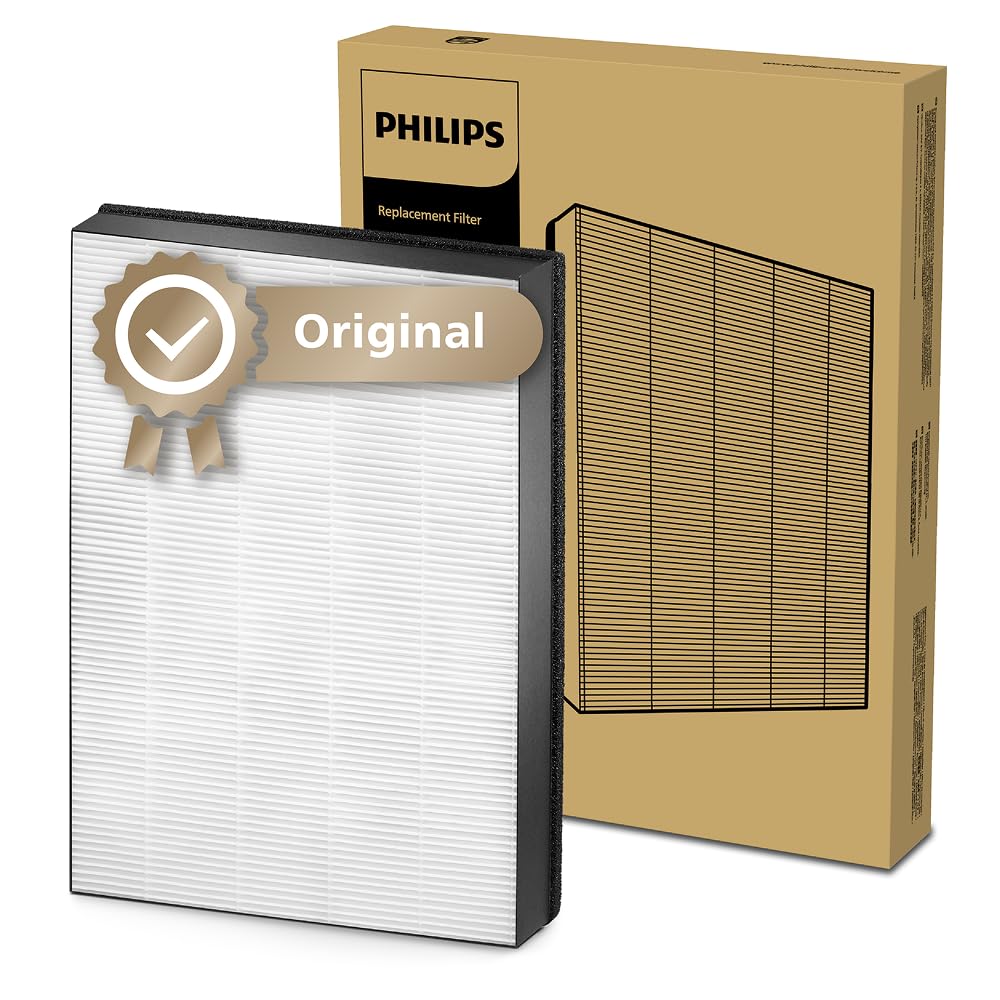
Philips Original Replacement Filter for Air Purifier 2000i and 3000i Series AC2887/AC2889, AC2892, AC3829, HEPA NanoProtect, 24 Months Lifetime, Black/White (FY2422/30)
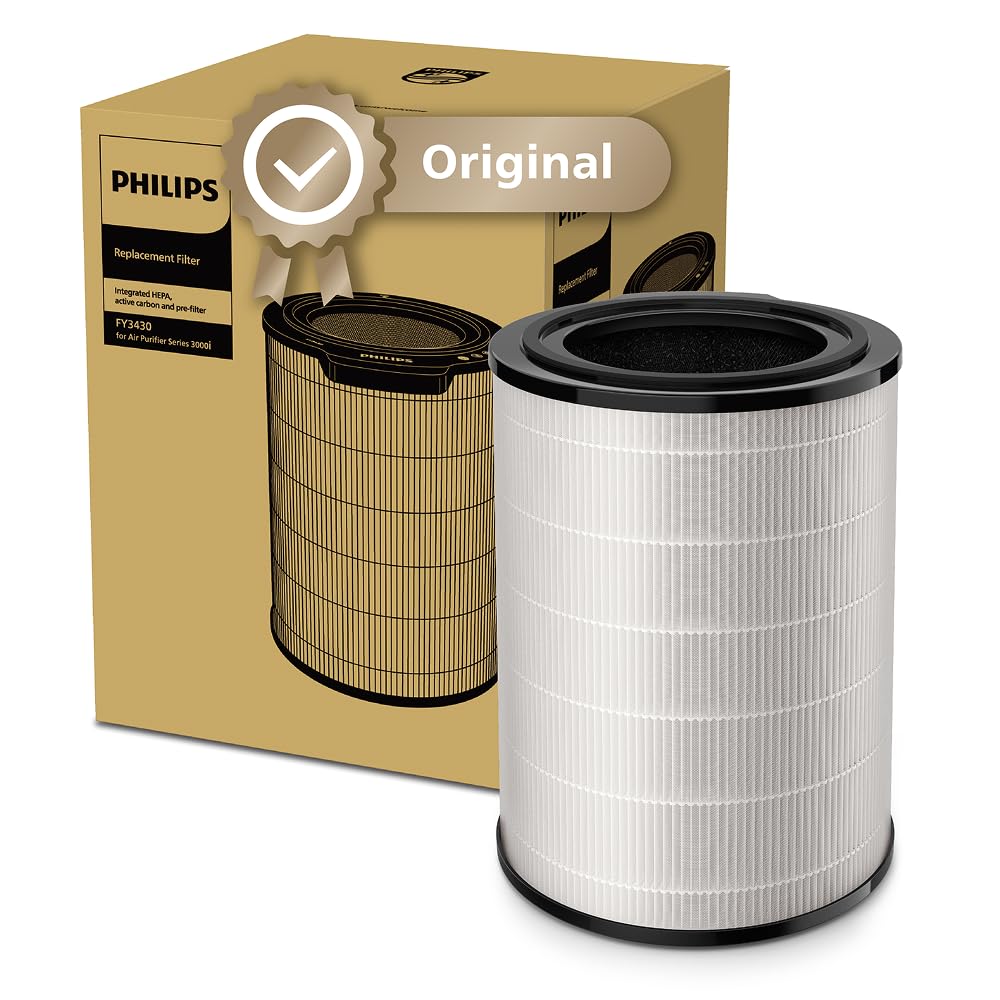
Philips Original Replacement Filter for Air Purifier 3000i Series, AC3033, AC3036, AC3039, AC3055, AC3058, AC3059, HEPA NanoProtect + Active Carbon, 36 Months Lifetime (FY3430/30)
Our Recommendation
Product B is the better overall buy because it adds active carbon filtration and a longer 36-month lifetime, which gives it more capability and lower replacement frequency. In UK homes, that extra carbon layer is genuinely useful for cooking odours, damp smells, and traffic pollution, not just dust and pollen. It is more expensive upfront, but it delivers the stronger feature set and the better long-term ownership experience. Buy Product A only if you need the cheaper compatible option for an older purifier.
Detailed Comparison
Compatibility and intended use
Product A (FY2422/30) is made for Philips 2000i and some 3000i models, including AC2887, AC2889, AC2892 and AC3829. Product B (FY3430/30) is for the newer 3000i series, including AC3033, AC3036, AC3039, AC3055, AC3058 and AC3059. This is the most important difference: if your purifier model is not listed, the filter is the wrong one, regardless of price or features. Winner: tie on quality, but in practical terms the winner is whichever one matches your purifier model, because compatibility is non-negotiable.
Filtration performance
Product A uses Philips HEPA NanoProtect filtration, which is excellent for trapping fine particles such as pollen, dust, pet dander and smoke particles. That makes it a strong choice for UK allergy season, especially in spring when birch and grass pollen levels rise, and for homes with pets or visible dust. Product B also uses HEPA NanoProtect, but adds an Active Carbon layer, which gives it an edge for odours and gaseous pollutants. That matters in real homes: cooking smells, bin odours, traffic fumes, and mild VOCs from cleaning products or new furniture are all better handled by carbon. For pure particle capture, they are both strong; for broader air cleaning, Product B wins. Winner: Product B.
Lifespan and maintenance
Product A is rated for 24 months lifetime, while Product B is rated for 36 months lifetime. In theory, that means Product B could reduce how often you need to replace the filter, which is attractive if you run the purifier heavily through winter heating season, spring pollen spikes, or during damp periods when you want continuous air cleaning. However, real-world lifespan depends on use, fan speed, air quality, and whether your home has pets, smoke, or persistent odours. Still, the longer official lifetime gives Product B the clear advantage on convenience and long-term ownership. Winner: Product B.
Build quality and design
As genuine Philips replacement filters, both should meet the brand’s fit-and-finish standards and integrate properly with the relevant purifiers. Product A is a simpler HEPA filter and is usually the more straightforward, lower-cost consumable. Product B’s HEPA plus carbon construction is more complex and better suited to newer purifiers designed around that multi-layer filtration approach. Neither product is a flashy consumer item, but the better-engineered option here is the one with the added carbon stage, because it expands what the purifier can do without compromising the core HEPA function. Winner: Product B.
Price and value for money
Product A costs £48.69, while Product B costs £77.29, a difference of £28.60. On upfront cost alone, Product A is the better value for anyone who simply needs a genuine replacement and wants to keep running costs down. But value is not just the sticker price: Product B offers a longer 36-month lifetime and carbon filtration, which can justify the premium if your home needs odour control or you want fewer replacements over time. For a budget-conscious buyer whose main concern is pollen, dust and general particle filtration, Product A wins on value. For a buyer who wants more complete air cleaning, Product B can still be worth the extra spend. Winner: Product A on upfront value; Product B on total capability.
Display, screen quality, battery life, and game library/features
These categories do not apply here in the usual sense because these are replacement air filters, not electronic devices. There is no display, no screen, no battery life, and no game library or app feature set to compare. The relevant feature difference is filtration architecture, where Product B’s active carbon layer gives it the functional advantage. Winner: Product B on meaningful features; otherwise not applicable.
Overall user experience
In day-to-day use, both are easy choices if you already own the correct Philips purifier: remove the old filter, insert the new one, and reset the filter indicator. Product A is the simpler, cheaper option and will do an excellent job for allergy sufferers who mainly need particle removal. Product B is the more capable option for households that also want help with smells, cooking fumes, and general indoor pollution, and its longer rated lifetime makes it feel more premium over time. If your purifier supports both and your home has mixed issues beyond dust and pollen, Product B is the better experience. If your priority is just to keep a compatible purifier running at the lowest cost, Product A is the better buy.
Overall summary: Product A is the budget-friendly, highly rated HEPA replacement for older compatible Philips purifiers and is the best pick for straightforward particle filtration. Product B is the more advanced filter, with active carbon and a longer 36-month lifetime, making it the better all-round option for newer compatible 3000i models and homes needing odour control. The decisive factor is compatibility first, then whether you want the cheaper HEPA-only filter or the better-equipped HEPA plus carbon option.
Buy the Philips Original Replacement if...
Buy Product A if you own a compatible AC2887, AC2889, AC2892 or AC3829 and want the lowest-cost genuine Philips replacement. It is the better choice if your main issue is pollen, dust, or pet dander and you do not need extra odour control. It also makes sense if you replace filters on a tighter budget and want the strongest value per pound upfront.
Buy the Philips Original Replacement if...
Buy Product B if you own one of the newer compatible 3000i models and want the best overall filtration package. It is the smarter choice for homes with cooking smells, bin odours, damp-related mustiness, or exposure to fumes, because the active carbon layer adds real-world usefulness. It is also the better pick if you prefer a 36-month lifetime and want to replace the filter less often.
Curated by Clean Air Home on All The Top Picks
As an Amazon Associate we earn from qualifying purchases.