Budget cut-and-go or hands-off mowing: which mower actually fits your garden?
These two mowers solve the same problem in very different ways. The Makita DLM330Z is a compact, manual push mower aimed at small UK lawns and gardeners who already own Makita LXT batteries. The Segway Navimow i105E is a premium robotic mower for people who want to stop mowing altogether, with RTK + vision navigation and no boundary wire. If you are choosing between them, the real question is not just price, but how much time, setup, and lawn size you are willing to trade for convenience.

Makita DLM330Z 18V Li-ion LXT Lawnmower – Batteries and Charger Not Included
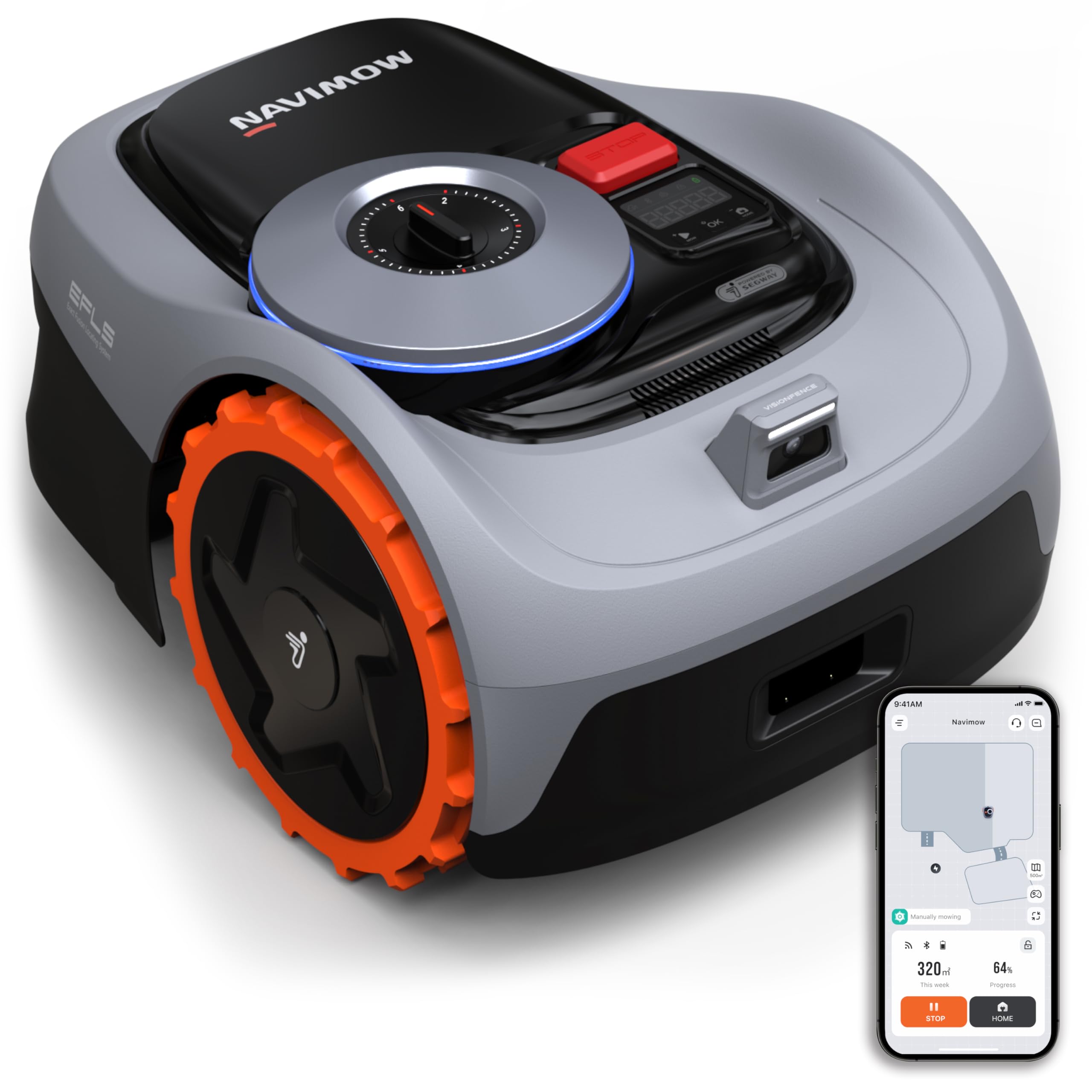
Segway Navimow i105E Robotic Lawn mower without Boundary, Rec. 500 m², Max. 600 m², EFLS 2.0 RTK + Vision Robot Lawnmower, AI Automatic Mapping, Virtual Limiting, Multi-Zone Management
Our Recommendation
The Makita DLM330Z is the definitive buy for most people because it delivers excellent mowing performance at a fraction of the cost. At £149.95, it is far better value than the £599 Segway, and its 4.7/5 rating from 1174 reviews suggests very strong owner satisfaction. If you already own Makita LXT batteries, it becomes even more compelling, since the real cost stays low. The Segway is impressive, but it is only the better choice if you specifically want robotic mowing and are willing to pay a large premium for it.
Detailed Comparison
Display
There is no meaningful display comparison here because neither product is a screen-led consumer device in the way a TV or phone would be. The Makita has a simple, conventional mower interface and the Segway uses app-based control with status information on your phone. Winner: Segway Navimow i105E, because its app, mapping interface, and virtual boundary controls are far more informative and useful than a basic manual mower setup.
Performance
This is where the products diverge sharply. The Makita DLM330Z is a 33 cm cordless rotary mower powered by one 18V LXT battery, so its real-world performance is best suited to small, straightforward lawns, typically up to around 150–250 m² depending on grass thickness and battery capacity. It cuts cleanly on dry to moderately damp UK grass and is ideal for weekly maintenance, but it is still a human-powered mowing job. The Segway Navimow i105E is a robotic mower rated for 500 m² recommended and 600 m² maximum, and it works continuously, trimming little and often. For pure mowing output and labour saved, the Segway wins decisively: it can maintain a much larger lawn with almost no manual effort once configured. For thick spring growth or neglected grass, however, the Makita can be more immediately aggressive because you are directly controlling the cut. Overall winner: Segway Navimow i105E for most users, especially anyone with a medium-sized UK lawn.
Build quality and design
Makita’s design is classic, practical, and proven. The DLM330Z is lightweight, easy to lift, and straightforward to store, with Makita’s familiar LXT battery ecosystem and a no-nonsense build that suits sheds, garages, and smaller gardens. It feels like a tool first and foremost. The Segway Navimow i105E is more complex: it has sensors, RTK positioning, vision assistance, and a charging station, so it is a more sophisticated piece of kit but also one that depends on correct setup and good signal conditions. In build terms, Makita wins on simplicity and robustness; Segway wins on engineering ambition and automation. For most buyers, the Makita takes this category because fewer moving parts and simpler construction usually mean less fuss over time.
Battery life
The Makita’s battery life depends entirely on the battery you already own or buy separately. Because batteries and charger are not included, the true runtime cost can rise quickly if you need to purchase a 4.0Ah or 5.0Ah LXT pack and charger. Still, the advantage is flexibility: you can swap batteries, charge externally, and use the same packs across drills, hedge trimmers, blowers, and other Makita tools. The Segway Navimow i105E has a built-in robotic power system designed to recharge itself automatically, so battery life is measured more in sustained lawn coverage than in one-session runtime. It is the clear winner for convenience because it self-manages charging and mowing cycles. If you mean battery ecosystem value, Makita wins; if you mean hands-off runtime, Segway wins. Overall winner: tie, with Segway ahead for autonomy and Makita ahead for ecosystem flexibility.
Price and value for money
At £149.95, the Makita is dramatically cheaper, and the £449.05 price gap is huge. Even after adding batteries and a charger, it is likely still far below the Segway’s entry cost if you are already in the Makita ecosystem. That makes the Makita excellent value for people who simply need a reliable mower for a modest lawn and want to keep spending under control. The Segway’s £599 price is justified only if you will genuinely benefit from robotic mowing, virtual boundaries, multi-zone management, and the time savings of never pushing a mower again. For raw value per pound spent, the Makita wins easily. For lifestyle value, the Segway can justify its cost for the right garden and owner.
Game library/features
This category is a stand-in for features, and here the Segway is in a different league. The Navimow i105E offers AI automatic mapping, virtual limiting, no boundary wire, RTK + vision positioning, and multi-zone management. That means it can handle complex lawns, narrow passages, and scheduled mowing with minimal intervention. The Makita’s “features” are the traditional ones: adjustable cutting height, foldable handle, and compatibility with Makita LXT batteries. It is functional, but not clever. Winner: Segway Navimow i105E by a large margin, because its feature set is the whole reason to buy it.
Overall user experience
The Makita is for people who don’t mind mowing and want a dependable, affordable, lightweight cordless machine. It is especially appealing for small suburban lawns, terraced gardens, and anyone already invested in Makita 18V tools. The Segway is for people who want mowing to disappear from their weekly routine, particularly on lawns around 200–600 m² where the robot can justify its price. In a wet British spring, the Makita still gives you direct control over when and how you cut; in a busy household with a larger lawn, the Segway gives you time back every week. Winner: Segway Navimow i105E for the best overall user experience, but only if your lawn size and budget fit the system.
Overall summary: the Makita DLM330Z is the better buy on value, simplicity, and ecosystem compatibility, while the Segway Navimow i105E is the better buy on automation, features, and long-term convenience. If you want the cheapest sensible way to keep a small UK lawn tidy, buy Makita. If you want to stop mowing and have a lawn robot maintain a larger garden for you, buy Segway.
Buy the Makita DLM330Z 18V if...
Buy the Makita DLM330Z if you have a small to medium UK lawn, want a simple mower that you can use immediately, and already own Makita LXT batteries. It is also the better choice if you dislike app setup, boundary mapping, or relying on sensors. For straightforward weekly mowing in a typical suburban garden, it is the sensible money-saving option.
Buy the Segway Navimow i105E if...
Buy the Segway Navimow i105E if your lawn is around 200–600 m², you want the mower to do the work automatically, and you are happy paying a premium for convenience. It is ideal if your garden has multiple zones, awkward shapes, or you simply want to reclaim weekend time. If you value no boundary wire, app control, and true hands-off maintenance, this is the better fit.
Curated by Garden Power Pro on All The Top Picks
As an Amazon Associate we earn from qualifying purchases.