Garrett Ace 300 vs Hazlewolke 13": which detector is worth your money?
If you’re choosing between these two, you’re probably deciding between a proven mainstream detector and a cheaper, feature-packed alternative that promises big coil coverage and mineralised-soil handling. That makes this a proper head-to-head for UK park and field users, not just a spec sheet comparison. The Garrett Ace 300 is the safer known quantity; the Hazlewolke is the value pick with a larger coil and more “pro” language on the box. The right choice depends on whether you prioritise reliability, resale value, and proven target ID, or maximum features per pound.
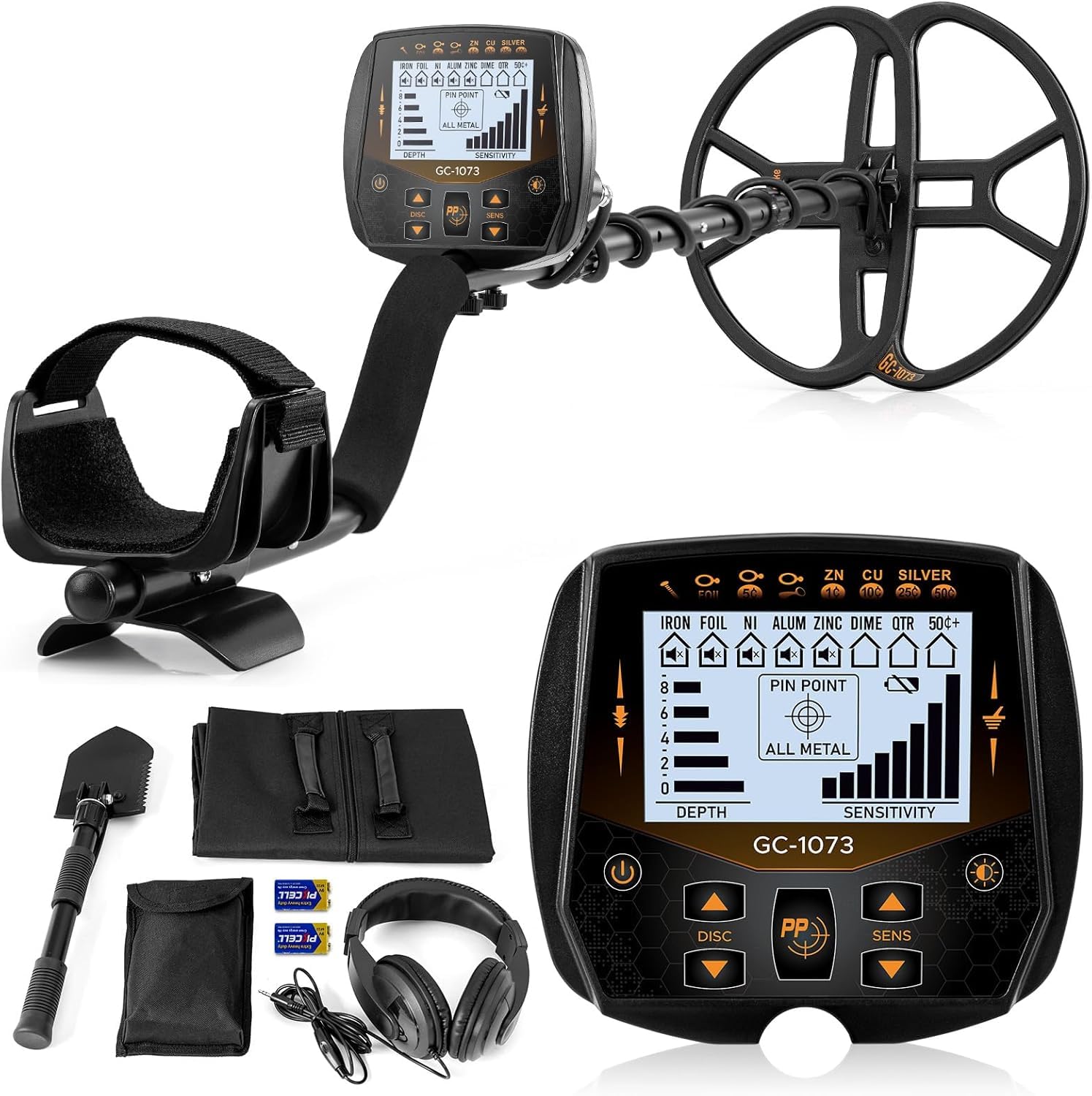
Hazlewolke 13" Professional Metal Detector for Adults, Double-D Waterproof Search Coil with High Sensitivity, 8 Metal Types, with Pinpoint & DISC Mode, Suitable for Mineralized Soil
Our Recommendation
Buy the Garrett Ace 300 if you want the more dependable, better-proven detector with stronger target ID consistency, sensible 8 kHz performance, and a trusted brand behind it. It is the safer choice for UK fields, parks, and general detecting where accurate discrimination and stable behaviour matter more than headline features. The Hazlewolke is cheaper and looks impressive, but the Garrett is the machine I’d trust more for real-world use and long-term ownership.
Detailed Comparison
Display
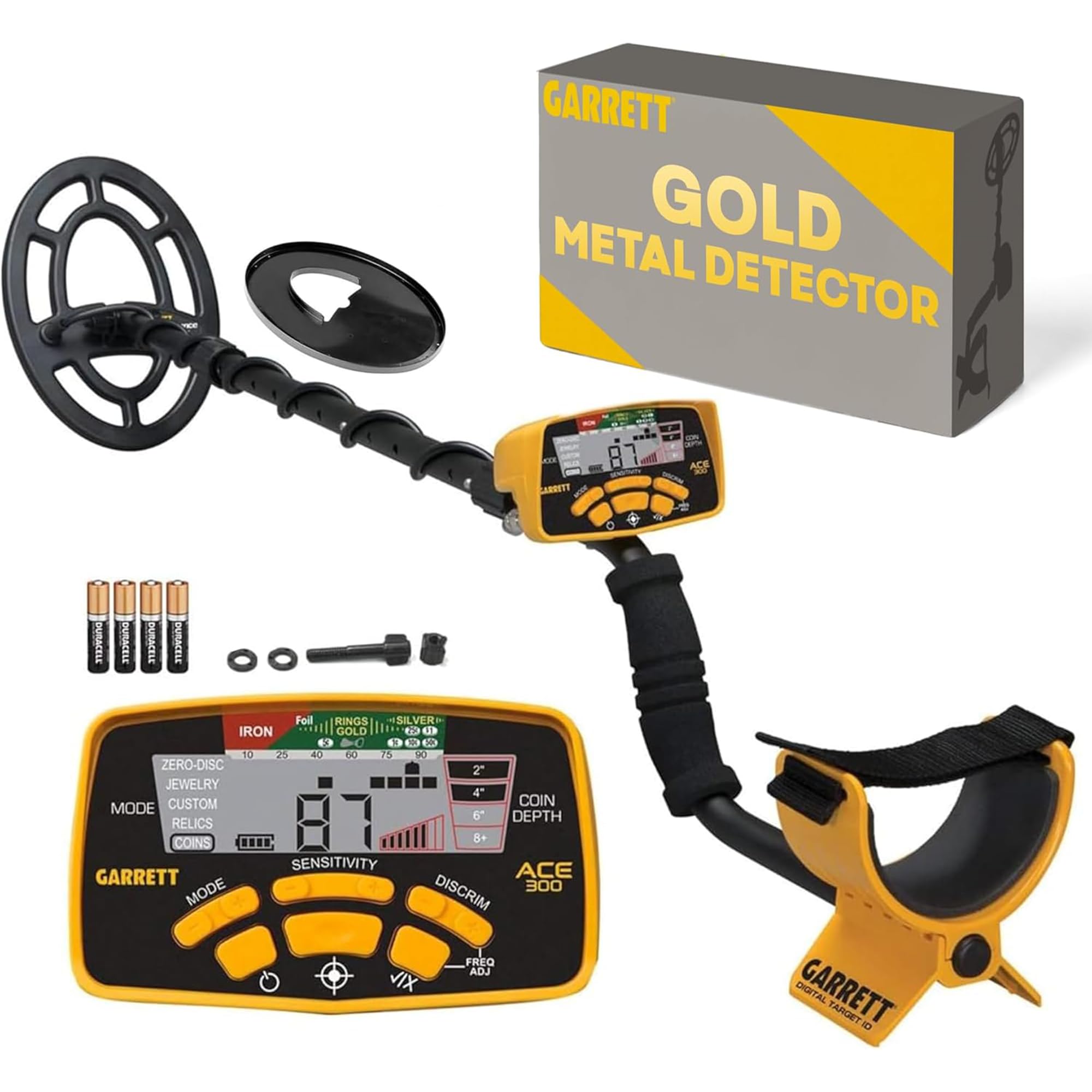
The Garrett Ace 300 wins here on trust and usability. Its interface is simple, proven, and easy to read in the field, which matters when you’re learning tones and target IDs in real conditions rather than staring at marketing claims. The Ace 300’s target ID system is widely regarded as more consistent than budget alternatives, especially on common UK finds like hammered silver, copper coins, and modern junk. The Hazlewolke advertises 8 metal types plus Pinpoint and DISC mode, which sounds impressive, but the quality of the screen and the reliability of the ID numbers are less established. Winner: Garrett Ace 300, because a clearer, more dependable display is more useful than a longer feature list.
Performance
This is the biggest deciding factor, and the Garrett Ace 300 again comes out ahead for most buyers. It runs at 8 kHz, a sensible single-frequency choice that gives a good balance of coin detection, relic hunting, and general-purpose use. It also has adjustable sensitivity, notch discrimination, and proper ground balancing support for varied UK soils, which is exactly what you want when conditions change from pasture to stubble to mineralised ground. The Hazlewolke’s headline advantage is its 13-inch double-D waterproof coil and claims of suitability for mineralised soil. A larger DD coil can cover more ground and handle mineralisation better than a concentric coil, but bigger is not automatically better: in trashy parks and iron-littered fields, a 13-inch coil can be unwieldy and less precise on close targets. The Hazlewolke may offer decent depth on larger objects, but the Garrett is the safer performer for target separation, ID stability, and all-round huntability. Winner: Garrett Ace 300, because consistent real-world performance matters more than a big coil and broad claims.
Build quality and design
The Garrett Ace 300 wins decisively. Garrett has a long track record, a strong UK user base, and a reputation for detectors that survive regular field use. The Ace 300’s design is straightforward, balanced, and familiar to experienced detectorists, with an ergonomic shaft layout and sensible weight distribution. The Hazlewolke’s 13-inch coil and “professional” branding suggest ambition, but the overall design is less proven, and budget brands often cut corners on rod rigidity, control box sealing, and connector quality. For a detector you’ll swing for hours in wet grass and rough ground, long-term durability matters. Winner: Garrett Ace 300, because build confidence and proven ergonomics beat speculative design.
Battery life
This category is closer than the others, but the Garrett still has the edge for practical use. The Ace 300 uses 4 AA batteries, which are easy to source anywhere in the UK, and typical runtime is solid enough for a full day’s detecting depending on sensitivity and speaker use. That convenience is a real advantage when you’re out early and don’t want to worry about proprietary charging. The Hazlewolke’s battery details are less clearly established, and with lower-cost detectors, runtime can be less predictable in real use even if the spec sheet looks fine. Winner: Garrett Ace 300, because standard AA power is simple, reliable, and field-friendly.
Price and value for money
The Hazlewolke wins on pure purchase price. At £189.99, it is £95.95 cheaper than the Garrett Ace 300 at £285.94, and that saving is significant for a first machine or a backup detector. If you’re on a strict budget, the Hazlewolke gives you a large waterproof DD coil, Pinpoint mode, DISC mode, and mineralised-soil positioning for noticeably less money. But value is not just about price; it’s about how much useful detecting you get per pound over time. The Garrett’s higher upfront cost is partly justified by stronger brand confidence, better resale value, and a more proven user experience. Winner: Hazlewolke for upfront affordability, but Garrett for long-term value if you plan to keep detecting seriously.
Game library/features
For detectorists, this means modes, coil options, ground handling, and how much the machine can actually do in the field. The Hazlewolke looks feature-rich on paper: 8 metal types, Pinpoint, DISC mode, and a 13-inch double-D waterproof coil. That’s attractive for newcomers who want something that sounds advanced straight out of the box. The Garrett Ace 300 is more restrained but more credible: it offers a well-known discrimination system, notch capability, and a frequency choice of 8 kHz that suits general UK detecting. It doesn’t try to overwhelm you with gimmicks, and that is often a good thing. Winner: tie on paper features, but Garrett wins on feature quality and practical usefulness.
Overall user experience
The Garrett Ace 300 is the better detector to actually learn on and grow with. It gives you dependable target ID, sensible controls, good ergonomics, and a brand ecosystem that many UK detectorists already understand. The Hazlewolke is tempting because it looks like a lot of detector for the money, and the 13-inch DD coil may appeal if you want maximum coverage on open ground. But in real detecting, especially on mixed UK sites, stability, separation, and confidence in the numbers matter more than a long spec list. Overall summary: the Garrett Ace 300 is the better buy for most people, while the Hazlewolke is only the better choice if your budget is tight and you want the lowest entry price with a large coil included.
Buy the Garrett Ace 300 if...
Buy Product A if you want a detector you can learn properly and keep using as your skills improve. It is the better choice for someone who values proven build quality, reliable discrimination, and stronger resale value. If you detect regularly in varied UK conditions, the Garrett is the more confident purchase.
Buy the Hazlewolke 13" Professional if...
Buy Product B if your budget is capped and you want the lowest-cost route into a detector with a large waterproof DD coil. It makes sense if you mainly want to cover open ground and are happy to trade some brand confidence for a lower price. If you’re trying detecting without spending nearly £300, the Hazlewolke is the cheaper gamble.
Curated by Deep Signal on All The Top Picks
As an Amazon Associate we earn from qualifying purchases.