Compact Finbike or bigger-spec 20-inch e-bike: which is the smarter buy?
If you’re choosing between these two e-bikes, you’re really choosing between portability and equipment. The Finbike U4 is a cheaper, folding 16-inch model aimed at short commutes and easy storage, while the 20-inch electric bike looks more like a full-size utility machine with a larger battery, throttle, indicators, and rear seat. For UK buyers, the real question is not just which one looks better on paper, but which one is more practical, legal, and reliable for your daily riding. That makes this a very different decision from simply comparing price tags.

Finbike U4 Electric Bike, 16inch Folding Electric Bicycle with 10.4Ah Removable Battery, 60KM Max Range, 3 Riding Modes, Front Suspension, Foldable E-bike for Adults/Teens
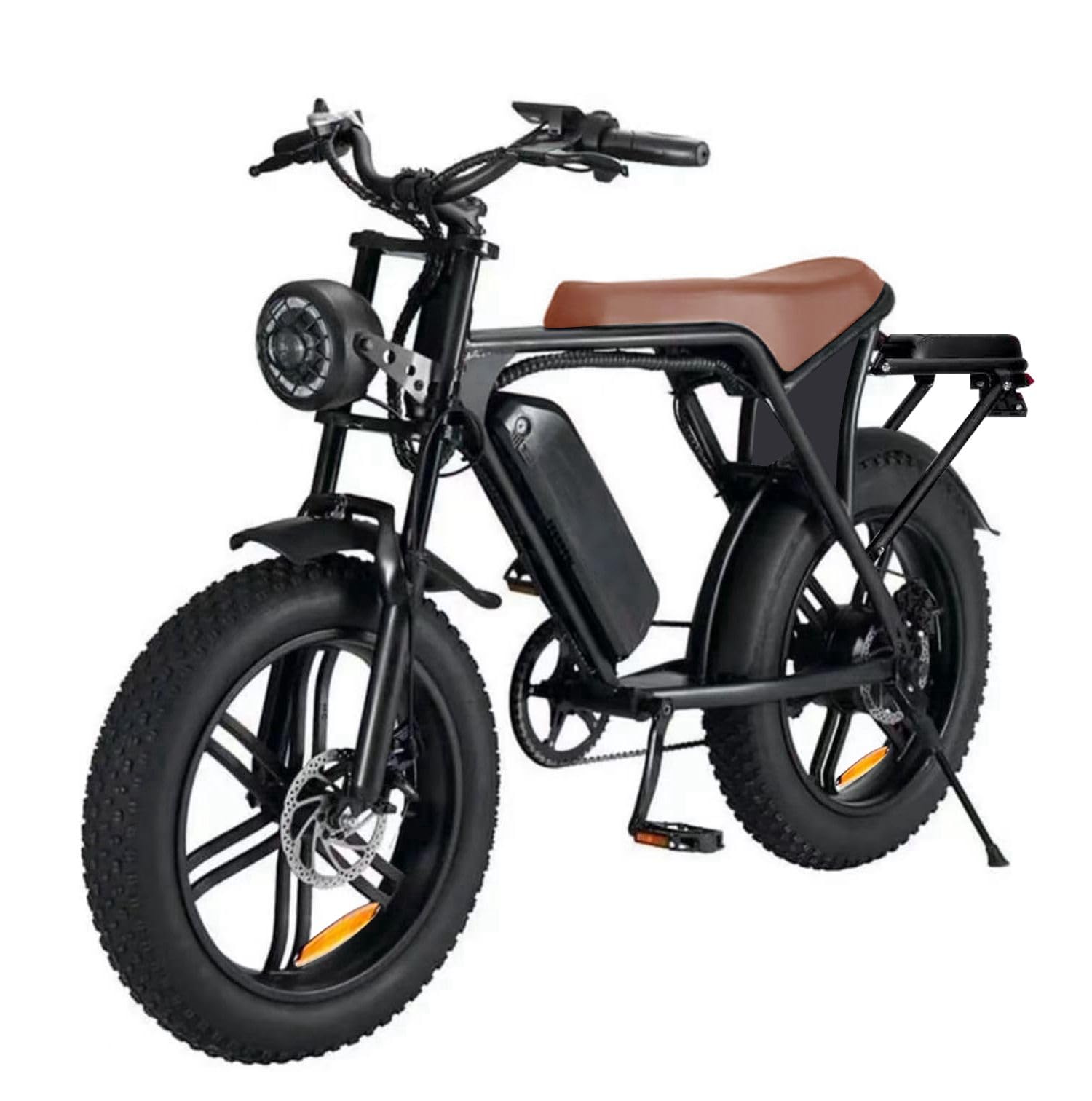
20” Electric Bike, 20 Inch E Bike, Hybrid Bike, Adult Bicycle, 48V 15AH Battery, Brushless Motor, LCD Display, 7 Gear, Rear Seat, Throttle, Suspension, Disc Brakes, Headlight, Indicators, New
Our Recommendation
Product A is the better buy for most people because it is £200 cheaper, foldable, and backed by a stronger review base from a named brand. While Product B has the bigger battery and more features, its generic branding and throttle make it a riskier proposition for UK riders who care about legality and after-sales support. If you want the safest all-round purchase, Finbike U4 is the one to choose.
Detailed Comparison
Display
Neither listing gives much detail on display quality, but Product B explicitly includes an LCD display, which is usually a better sign for ride data visibility and usability. On an e-bike, a clear screen matters because you want battery level, assist mode, and speed information at a glance, especially in traffic or on longer rides. Product A’s title does not mention a display at all, so from the available information, Product B wins this category. For everyday use, the LCD is the more reassuring spec.
Performance
This is where the biggest practical gap appears. Product B has a 48V 15Ah battery, which works out to 720Wh, a very strong figure for a budget commuter e-bike and usually a better match for hills, heavier riders, or longer trips. Product A lists a 10.4Ah removable battery but does not state voltage, so the real energy capacity is unclear; the advertised 60km max range is likely optimistic and depends heavily on rider weight, terrain, and assist level. Product B also includes a brushless motor, throttle, and 7 gears, which suggests more flexibility in how it rides. However, because neither listing gives an official motor wattage, legal classification in the UK is uncertain, and Product B’s throttle is a red flag if you want a road-legal EAPC-style bike. Purely on usable power and battery size, Product B wins, but only if you are comfortable with the legal ambiguity.
Build quality and design
Product A has the advantage of a folding frame and 16-inch wheels, which usually means easier storage, easier carrying onto trains, and simpler living in flats or small homes. Finbike is also a named brand, which often gives more confidence in parts support and consistency than a generic listing. Product B looks more feature-rich, with suspension, disc brakes, indicators, a headlight, and a rear seat, so it appears designed as a more utility-focused machine. But the generic branding is a concern: with no clear manufacturer reputation, after-sales support and long-term parts availability may be weaker. If you value compactness and brand reassurance, Product A wins. If you want a larger, more motorcycle-like utility setup, Product B has the more ambitious spec sheet.
Battery life
On paper, Product B is the clear winner. A 48V 15Ah pack is substantially larger than the 10.4Ah battery in Product A, and that usually translates to better real-world range, especially if you use throttle or higher assist levels. Product A’s 60km maximum range is plausible only under ideal conditions; in real commuting, expect less if there are hills, stop-start traffic, or cold weather. Product B’s larger battery should be more forgiving for daily use and weekend rides. If battery capacity is your priority, Product B wins convincingly.
Price and value for money
Product A costs £499.99, while Product B is £699.99, a £200 difference. That is a meaningful saving, especially if you mainly need a compact runabout rather than a fully equipped utility bike. Product A’s value is strongest if you want the lowest upfront cost and don’t need the extra hardware. Product B only justifies the extra money if you genuinely need the bigger battery, throttle, indicators, suspension, and rear seat. On pure value, Product A wins because it is cheaper and comes from a named brand with a much larger review count (90 versus 25), which gives more confidence in the rating.
Game library/features
This category is best interpreted as feature set. Product B wins because it simply offers more: LCD display, 7 gears, rear seat, throttle, suspension, disc brakes, headlight, and indicators. That makes it more versatile for carrying a passenger or cargo and more useful in mixed traffic or low-light conditions. Product A is much simpler: 3 riding modes, front suspension, and foldability. Simplicity can be a virtue, but if you want the most equipment for your money, Product B has the richer feature list.
Overall user experience
For a commuter in the UK, the best e-bike is the one that fits your space, your route, and the law. Product A is the easier recommendation for most people because it is cheaper, foldable, from a named brand, and backed by far more reviews. It looks like the safer buy if you need something for short urban trips, storage in a small home, or occasional use. Product B sounds more capable and better equipped, but the throttle and generic branding make it harder to recommend with confidence unless you specifically want its utility-style setup and are happy to verify legality and support before buying. Overall, Product A is the more sensible purchase for most buyers, while Product B is the more feature-packed but riskier choice.
Buy the Finbike U4 Electric if...
Buy Product A if you want a compact, foldable e-bike for commuting, storage in a flat, or easy transport on public transport. It is also the better pick if you want to spend less and prefer a known brand with more customer feedback behind it. This is the more practical choice for short-to-medium UK urban rides.
Buy the 20” Electric Bike, if...
Buy Product B if you want the biggest battery, more equipment, and a more utility-focused ride with throttle, indicators, and a rear seat. It makes sense if you need longer range and are prepared to check that the bike is legal for your intended use in the UK. Choose it only if the extra features are genuinely useful to you.
Curated by Volt Rider on All The Top Picks
As an Amazon Associate we earn from qualifying purchases.