Best budget commuter or stronger spec all-rounder: the real UK buy decision
These two e-bikes are aimed at very different buyers, even though both promise everyday practicality. Product A, the Finbike EB3, is the cheaper 26-inch hardtail-style e-bike with a smaller battery and a lighter, simpler spec. Product B is the pricier 20-inch bike with a larger 48V battery, throttle, indicators and rear seat, which makes it look more utility-focused. If you want the best value for real UK riding, the decision comes down to range, legality, support and how much you trust the brand behind the bike.
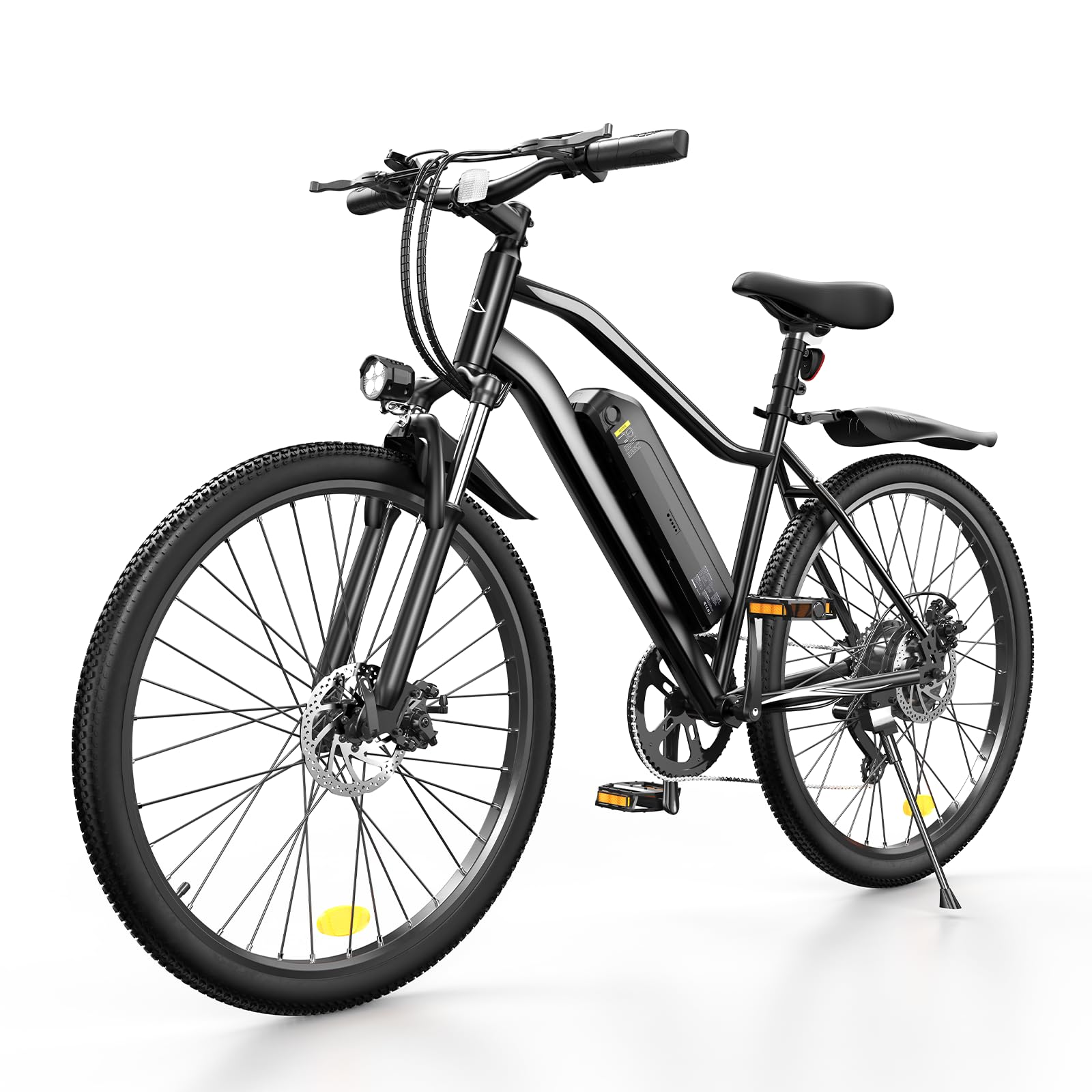
Finbike EB3 Electric Bike Adults, 60KM Max Range E-bike, 3H Fast Charging, 26inch Electric Mountain Bike with 36V 10.4Ah Battery, Front Fork Suspension, 7-Speed Derailleur, 150KG Capacity Ebike
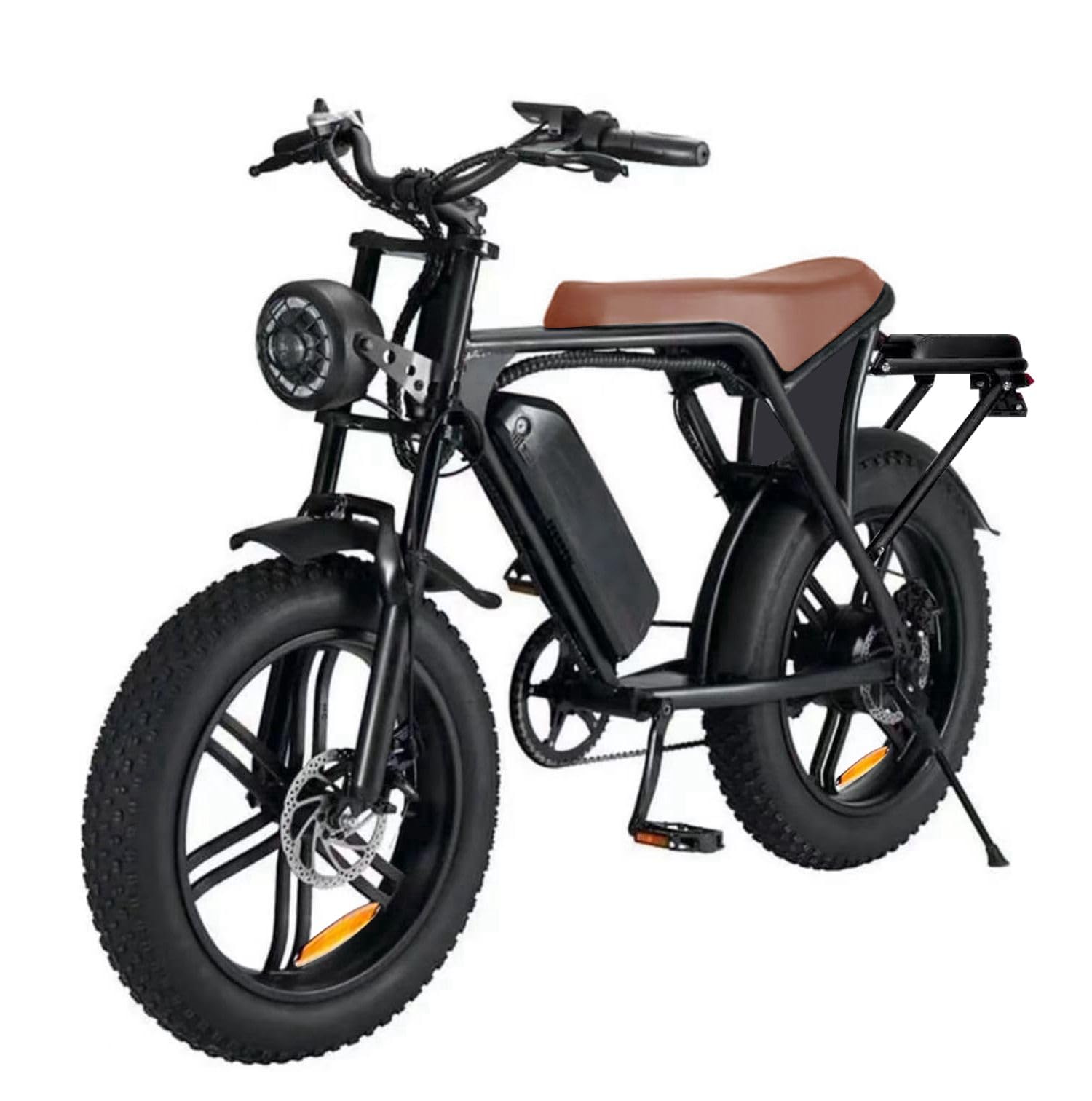
20” Electric Bike, 20 Inch E Bike, Hybrid Bike, Adult Bicycle, 48V 15AH Battery, Brushless Motor, LCD Display, 7 Gear, Rear Seat, Throttle, Suspension, Disc Brakes, Headlight, Indicators, New
Our Recommendation
Product A is the better overall buy for most UK riders because it is much cheaper, comes from a named brand, and offers a simpler, more trustworthy ownership experience. While Product B has the bigger 48V 15Ah battery and more kit, the generic branding and throttle raise concerns about support and UK road legality. The Finbike EB3 is the safer value choice if you want a practical, compliant e-bike for commuting and everyday riding.
Detailed Comparison
Display
Product B wins on paper because it explicitly includes an LCD display, which usually means clearer battery, speed and assist information than the more basic display often found on budget models. Product A’s listing does not specify the display type, so you are buying with less certainty. For commuters, a readable display matters more than flashy extras because it helps you manage battery and assist level on the move.
Performance
Product B has the stronger electrical spec: a 48V 15Ah battery is 720Wh, versus Product A’s 36V 10.4Ah battery at about 374Wh. That is nearly double the energy storage, which usually translates into better real-world range and stronger sustained performance, especially on hills or when carrying a passenger or cargo. Product A does claim a 60km max range and 3-hour fast charging, but that range figure is likely optimistic and depends heavily on low assist, flat terrain and a light rider. Product B also includes a throttle, which may be appealing for convenience, but in the UK that immediately raises legality concerns: throttle-assisted bikes are generally not legal as EAPCs unless they meet very specific rules. On pure performance potential, Product B wins; on practical UK road use, Product A is the safer bet if it is configured as a compliant pedal-assist e-bike.
Build quality and design
Product A looks more like a conventional 26-inch electric mountain bike, with front fork suspension, a 7-speed derailleur and a 150kg capacity. That larger wheel size should feel more stable and confidence-inspiring on mixed surfaces, potholes and canal paths, and Finbike is at least a named brand with a better chance of having some after-sales presence. Product B’s 20-inch format is more compact and may be easier to store, but the listing is generic, which is a red flag for long-term support, spares and warranty handling. It does add suspension, disc brakes, headlight, indicators and a rear seat, so it is clearly built for utility, but the lack of a known brand makes quality control harder to judge. Product A wins on trust and likely frame consistency; Product B wins on equipment count.
Battery life
Product B wins decisively here. A 48V 15Ah battery gives it a major advantage in usable energy, and that matters far more than headline range claims. Product A’s 36V 10.4Ah battery is modest, and while 60km is possible in ideal conditions, many UK riders will see less once hills, wind, stop-start traffic and higher assist levels are factored in. If your commute is longer than 10-15 miles round trip, Product B gives you much more breathing room. If you only need shorter everyday riding and can charge frequently, Product A is still adequate and charges faster at 3 hours claimed.
Price and value for money
Product A wins easily on value for money. At £484.47, it is £215.52 cheaper than Product B, and that is a huge gap in this market. For that lower price, you still get a 26-inch e-bike, suspension, 7-speed gearing and a high claimed 150kg load rating. Product B’s extra cost is hard to justify unless you specifically need the larger battery, throttle-style operation and utility features like indicators and rear seat. For most UK buyers, Product A offers the better balance of cost and usable spec.
Features and practicality
Product B has the more feature-rich listing: LCD display, throttle, rear seat, suspension, disc brakes, headlight and indicators. That makes it sound more like a small utility bike or urban runabout. However, more features do not always mean better ownership experience, especially if the brand is generic and the legal status is uncertain. Product A is simpler, but simpler often means fewer things to go wrong, easier maintenance and a better chance of getting support for basic parts like the derailleur, brakes and battery. In the UK, the best feature is often compliance: a pedal-assist system that behaves predictably, with reliable braking and decent tyres.
Overall user experience
If you want a straightforward adult e-bike for commuting, leisure and light off-road use, Product A is the more sensible buy. It is cheaper, from a named brand, and its specification is easier to trust in the real world. Product B will feel more capable on paper and may suit riders who want a heavier-duty utility bike with a bigger battery, but the generic branding and throttle setup make it a riskier purchase for UK riders. Overall, Product B wins on battery capacity and equipment, but Product A wins the important categories of price, brand trust and likely legal simplicity. For most people, that makes Product A the better buy.
Buy the Finbike EB3 Electric if...
Buy Product A if you want the cheapest sensible option and value a known brand over a long feature list. It is the better choice for shorter commutes, leisure rides and riders who want a conventional 26-inch e-bike with fewer legal and support headaches. It also makes sense if you prefer lower upfront cost and easier maintenance over maximum battery capacity.
Buy the 20” Electric Bike, if...
Buy Product B if you specifically need the larger 48V 15Ah battery, extra utility features and do not mind paying more. It suits riders who want a compact 20-inch bike for urban errands, carrying a passenger or using the rear seat. Only choose it if you are comfortable checking that the throttle setup is legal for your intended UK use and you are happy buying from a generic brand.
Curated by Volt Rider on All The Top Picks
As an Amazon Associate we earn from qualifying purchases.