DJI Goggles N3 or Walksnail Avatar HD X: which FPV goggles are worth it?
If you’re choosing between these two FPV goggle sets, you’re really deciding between DJI’s lower-cost, ready-to-fly simplicity and Walksnail’s more premium, feature-rich versatility. Both promise an immersive 1080p ultra-wide viewing experience, but they target very different pilots and budgets. This comparison focuses on what matters in real use: screen quality, latency and compatibility, build and comfort, value, and which setup better suits your flying style. UK buyers should also remember that FPV flying still has legal responsibilities, including maintaining safe flight and using the right permissions where required.

DJI Goggles N3, FPV Goggles with 1080p Ultra-Wide Screen, Immersive Flight Experience, Wireless Streaming, Drone Goggles, Ready-to-Use Kit, AR Cursor
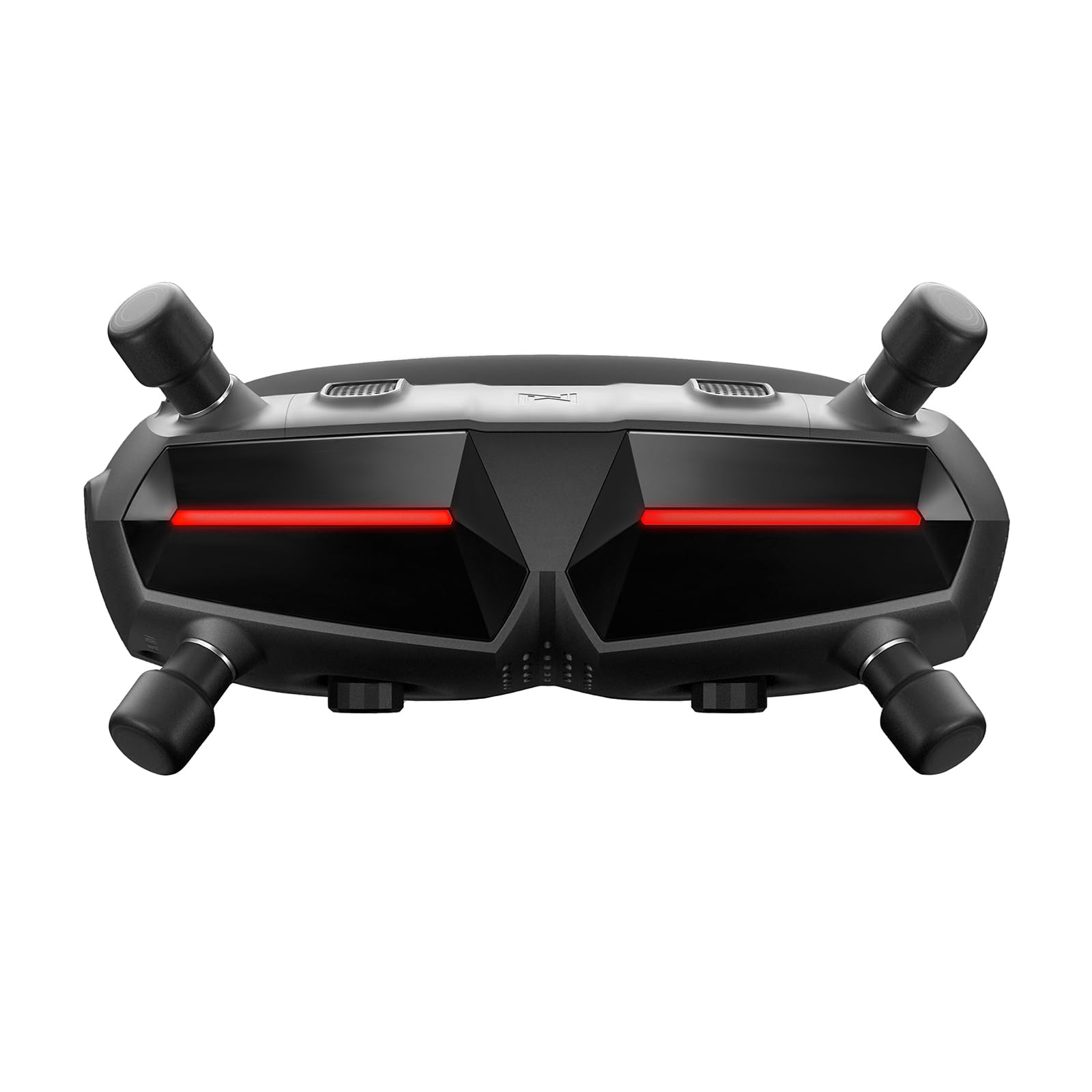
CADDXFPV Walksnail Avatar HD FPV Goggles X – 1080p Ultra-Wide Screen, 50° FOV, Head Tracking, Immersive Flight Experience, HDMI/AV Input, Compatible FPV Drone Goggles for All Walksnail VTX Kits
Our Recommendation
DJI Goggles N3 are the definitive buy for most people because they cost far less at £209, have the stronger rating, and offer a ready-to-use experience that reduces setup pain. They’re the better value unless you specifically need Walksnail’s head tracking, HDMI/AV input, or full Avatar HD ecosystem support. For most FPV pilots, especially beginners and casual flyers, Product A gives you the best mix of performance, simplicity, and price.
Detailed Comparison
Display
Both goggles advertise 1080p ultra-wide screens, so on paper they’re close in raw panel resolution. The key difference is how that display is used. DJI Goggles N3 are designed as a ready-to-use, streamlined experience with DJI’s ecosystem, which typically means cleaner integration and less setup friction. The Walksnail Avatar HD FPV Goggles X push harder on pure FPV immersion with a 50° field of view, head tracking, and HDMI/AV input, which makes them more flexible for different sources and more appealing to pilots who want a bigger-feeling cinematic window. Winner: Product B, because the 50° FOV and broader input support make it the more capable display platform.
Performance
In FPV, performance is not just about resolution; it’s about latency, link stability, and how confidently the goggles pair with the air unit/VTX system. DJI’s strength is ecosystem polish: if you are using compatible DJI FPV gear, the experience is typically more plug-and-play and dependable, with wireless streaming designed around ease of use. Walksnail’s Goggles X are built for the Walksnail Avatar HD ecosystem and support all Walksnail VTX kits, plus external HDMI/AV sources, which makes them more adaptable but also more dependent on matching the right hardware. For pilots who want the simplest path to flying, DJI wins on usability. For pilots already committed to Walksnail, Product B wins on ecosystem depth and flexibility. Overall winner: Product A for most buyers, because it is the easier, lower-friction performance choice.
Build quality and design
DJI generally leads on industrial design, comfort tuning, and product polish, and the Goggles N3 continue that reputation with a clean, consumer-friendly package. The fact that they’re sold as a ready-to-use kit matters: fewer accessories to source, fewer compatibility headaches, and a more approachable first-time experience. The CADDXFPV Goggles X feel more enthusiast-oriented, with head tracking and multiple input options signaling a more advanced feature set, but they also come at a much higher price and with a smaller review base. Winner: Product A, because it offers the more refined and accessible design at a significantly lower cost.
Battery life
Neither listing here gives a precise battery runtime, so any claim would be speculative. In practical FPV use, actual battery life depends heavily on screen brightness, wireless link activity, and whether you’re using extra features like head tracking or external input. Since the DJI Goggles N3 are positioned as a simpler, ready-to-use product, they are likely to be easier to manage for casual sessions, while the Walksnail Goggles X may draw more power if you’re using their broader feature set. With no hard battery figures provided, this category is effectively a tie on paper, but the more feature-heavy Product B is more likely to be the one that needs careful power planning in real use. Winner: tie.
Price and value for money
This is the clearest category in the whole comparison. Product A costs £209, while Product B costs £487.11, a difference of £278.11. DJI Goggles N3 also have the stronger rating at 4.6/5 from 503 reviews, compared with 4.2/5 from 65 reviews for the Walksnail set, which suggests broader buyer satisfaction and less risk. Unless you specifically need Walksnail compatibility, head tracking, or HDMI/AV input, the DJI option is dramatically better value. Winner: Product A by a wide margin.
Game library/features
Neither of these is a gaming headset, so there is no game library in the traditional sense. The meaningful “features” comparison is about FPV functionality. DJI Goggles N3 offer AR Cursor and wireless streaming, which make them feel modern and easy to operate. Walksnail Avatar HD FPV Goggles X counter with head tracking, HDMI/AV input, and compatibility with all Walksnail VTX kits, which is the stronger feature list for serious FPV hobbyists and multi-source users. Winner: Product B, because it simply offers more advanced FPV-oriented features.
Overall user experience
For most people, the best FPV goggles are the ones that get out of the way and let you fly. DJI Goggles N3 are the more straightforward, better-reviewed, and far cheaper choice, which makes them ideal for beginners, casual flyers, and anyone already in or moving into DJI’s ecosystem. The Walksnail Avatar HD FPV Goggles X are the better specialist tool: more expensive, more flexible, and more feature-rich for pilots who value head tracking, external inputs, and Walksnail compatibility above all else. If you’re buying your first serious pair of FPV goggles, DJI feels like the smarter, safer purchase. If you’re building a dedicated Walksnail setup and want maximum immersion and connectivity, the CADDXFPV option is the more capable premium buy. Overall summary: DJI Goggles N3 win for most buyers on value, simplicity, and confidence; Walksnail Goggles X win only if their extra features match your exact FPV setup.
Buy the DJI Goggles N3, if...
Buy Product A if you want the cheapest route into quality FPV goggles without sacrificing a modern 1080p ultra-wide viewing experience. It’s the better pick if you already use DJI-compatible gear, want a ready-to-use kit, or simply value a high-rated product with broad buyer confidence. It’s also the sensible choice if you’re not sure you need head tracking or external video inputs.
Buy the CADDXFPV Walksnail Avatar if...
Buy Product B if you are already committed to Walksnail Avatar HD VTX kits and want the most feature-rich goggles in that ecosystem. Choose it if head tracking, HDMI/AV input, and a 50° FOV are important to your flying style, especially for immersive freestyle or multi-source use. It makes sense for enthusiasts who want a premium FPV setup and are happy to pay significantly more for it.
Curated by Sky Pilot on All The Top Picks
As an Amazon Associate we earn from qualifying purchases.