Which binoculars are worth your money: Celestron Nature DX or OPAITA 20x52?
If you’re choosing between a trusted mid-range binocular from a major optics brand and a much cheaper high-magnification alternative, the decision comes down to how you’ll actually use them. For UK birdwatching, casual stargazing, travel, and general wildlife viewing, magnification, image stability, and low-light performance matter more than headline numbers. This comparison cuts through the marketing and focuses on which pair will give you the better real-world experience, especially under British skies where cloud, haze, and light pollution are common.

Celestron 71333 Nature DX 10x42mm Binoculars with Multi-Coated Lens, BaK-4 Prism Glass and Carry Case, Green
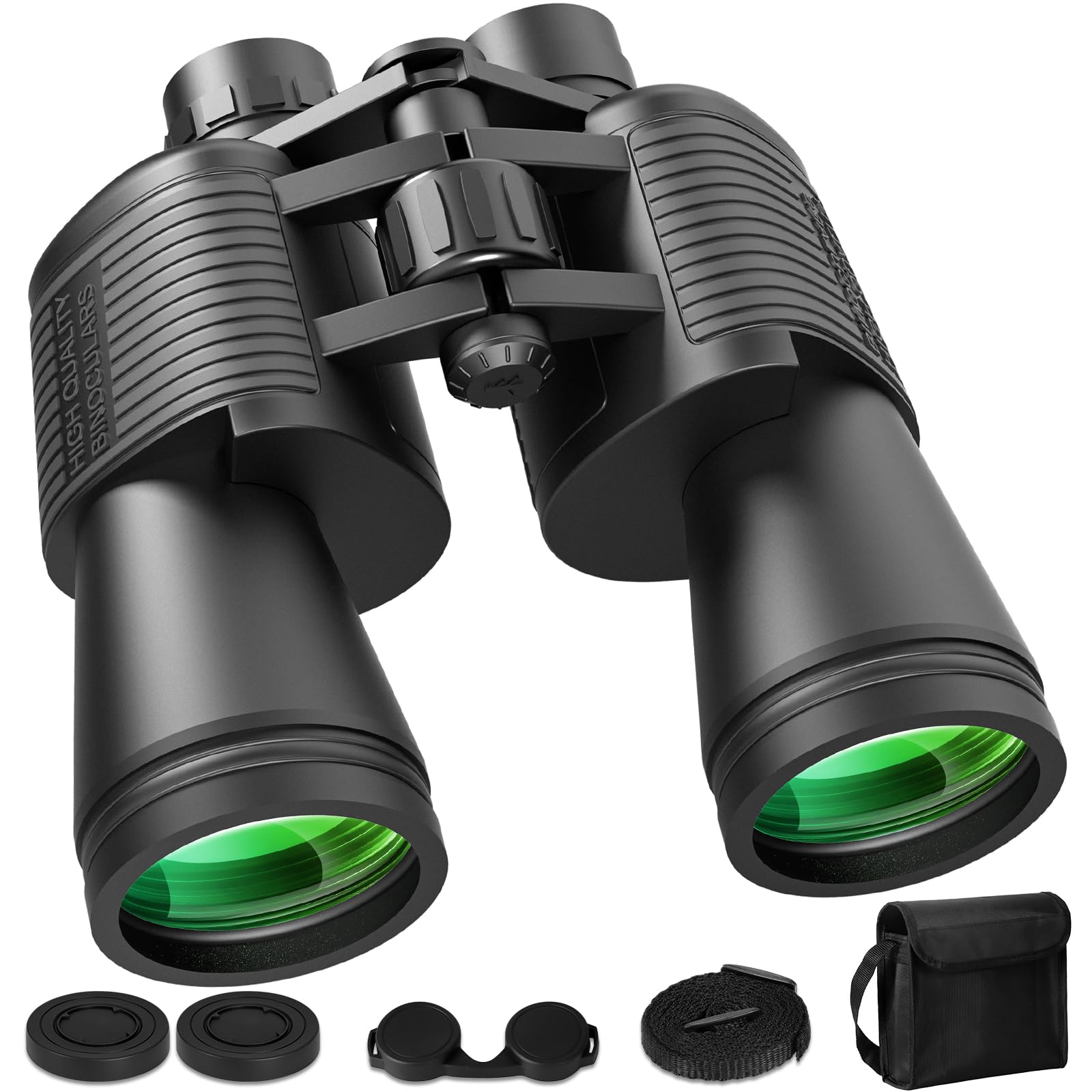
20x52 High Power Binoculars for Adults - OPAITA Professional HD Binoculars Powerful with Clear Low Light Vision for Bird Watching Stargazing Hunting Travelling
Our Recommendation
The Celestron 71333 Nature DX 10x42 is the better purchase for most people because it delivers a more usable view, better low-light performance, and far less hand-shake than a 20x binocular. Its 4.6/5 rating from over 1,000 reviews also gives much stronger confidence in real-world satisfaction and consistency. The OPAITA is dramatically cheaper, but the extra magnification is more likely to hinder than help unless you use a tripod and accept a narrower, dimmer image.
Detailed Comparison
Magnification and field of view
Product A wins here for most people. The Celestron Nature DX uses 10x42 optics, which is a very sensible sweet spot: enough reach for birds, distant scenery, and lunar viewing, but still steady enough to hold by hand. The OPAITA’s 20x52 specification sounds more powerful, but at 20x every shake is magnified too, so unless you have very steady hands or a tripod, the view will be harder to use. In the UK, where windy coastal paths, damp conditions, and overcast evenings are common, the lower magnification of the Celestron is far more practical. The wider field of view also makes it easier to find birds in hedges, spot aircraft, or sweep the Milky Way from a dark sky site.
Image quality and low-light performance
Product A wins convincingly. The Nature DX line is known for multi-coated lenses and BaK-4 prisms, which usually translate into brighter, sharper views with better contrast and edge performance. The 42 mm objective lenses are well balanced for daylight and twilight use, and 10x magnification preserves brightness better than 20x. Product B claims clear low-light vision, but the combination of budget pricing and very high magnification is a red flag for true low-light performance: a 20x binocular generally delivers a dimmer image than a 10x42, especially under UK skies where light pollution and cloud reduce available light. For stargazing, the Celestron will show a cleaner, more usable view of star fields and the Moon without the frustration of constant shake.
Build quality and design
Product A wins again. Celestron is a well-established optics brand with a strong reputation, and the Nature DX series is designed as a dependable all-rounder. The inclusion of a carry case and the use of BaK-4 prism glass suggest a more serious build and better optical consistency. The OPAITA is much cheaper and may look attractive on paper, but budget high-power binoculars often cut corners in alignment, coatings, or mechanical smoothness. If you want something that feels more reassuring in hand and is more likely to deliver consistent performance over time, the Celestron is the safer buy.
Battery life
This category is not really applicable, because neither product uses batteries. That said, Product A still has the practical advantage because it is more user-friendly in the field: you do not need extra accessories like a tripod or stabiliser to get a good view. Product B’s 20x power often pushes users toward additional equipment, which reduces convenience even if it does not involve batteries.
Price and value for money
Product B wins on pure upfront cost. At £44.99, the OPAITA is £114.01 cheaper than the Celestron, and that is a huge difference. If your budget is tight and you simply want an inexpensive pair for occasional daytime use, Product B offers a low barrier to entry. However, value is not just about price; it is about how often you will enjoy using the product. The Celestron’s £159 price is high, but its 4.6/5 rating from 1,038 reviews suggests a much stronger track record than Product B’s 4.3/5 from 103 reviews. In optics, that review volume matters because it is often a better sign of consistent quality control and real-world satisfaction.
Features and versatility
Product A wins for overall versatility. The 10x42 format is one of the most useful binocular configurations for birdwatching, walking, travel, and casual astronomy. It is easy to carry, easy to aim, and useful in a broad range of conditions. The OPAITA’s 20x52 specification is more specialised: it may appeal to users who want to inspect distant static subjects, but it is less forgiving for moving targets and handheld use. For UK birders, that matters a lot because birds rarely sit still, and for stargazers the extra magnification is often less useful than a steadier, brighter, wider view.
Overall user experience
Product A wins decisively. The Celestron Nature DX is the binocular you are more likely to pick up often and enjoy using without fuss. It is better suited to the realities of British weather, the need for handheld stability, and the mixed use case of birds, travel, and night sky viewing. The OPAITA may seem like a bargain and may satisfy users who want maximum magnification for the money, but in practice it is more likely to frustrate beginners and casual users because 20x is difficult to hold steady and can make the image feel dim and narrow.
Overall summary: if you want the best all-round binoculars and care about image quality, comfort, and reliability, the Celestron Nature DX 10x42 is the clear winner. If you only care about spending as little as possible and are prepared to accept a more specialised, less forgiving viewing experience, the OPAITA is the budget option. For most UK buyers, especially birdwatchers and casual stargazers, the Celestron is the one to buy.
Buy the Celestron 71333 Nature if...
Buy Product A if you want one binocular that can do almost everything well: birdwatching, travel, coastal views, and casual stargazing. It is the better choice if you value sharpness, brightness, and ease of use over raw magnification. It is also the safer option if you are buying for someone who may not want to fuss with stabilising a high-power pair.
Buy the 20x52 High Power if...
Buy Product B if your budget is tight and you mainly want an inexpensive pair for occasional use. It makes sense if you are curious about higher magnification and are willing to tolerate more shake, a narrower view, and likely less refinement. It is best for static subjects or for someone who wants a low-cost backup pair rather than a primary binocular.
Curated by Star Seeker on All The Top Picks
As an Amazon Associate we earn from qualifying purchases.