Bafang Mid-Drive Showdown: Premium BBS-HD Power or Better-Value CAN Kit?
If you’re converting a bike into a proper hill-climbing commuter or off-road machine, these two BAFANG mid-drive kits are the obvious shortlist. Both promise serious torque, broad bottom bracket compatibility, and optional battery/display bundles, but they target slightly different buyers. The key question is whether the extra £194.26 for Product A buys you enough real-world advantage to justify it. For UK riders, the answer depends less on headline watts and more on legality, reliability, and how hard you’ll actually ride.
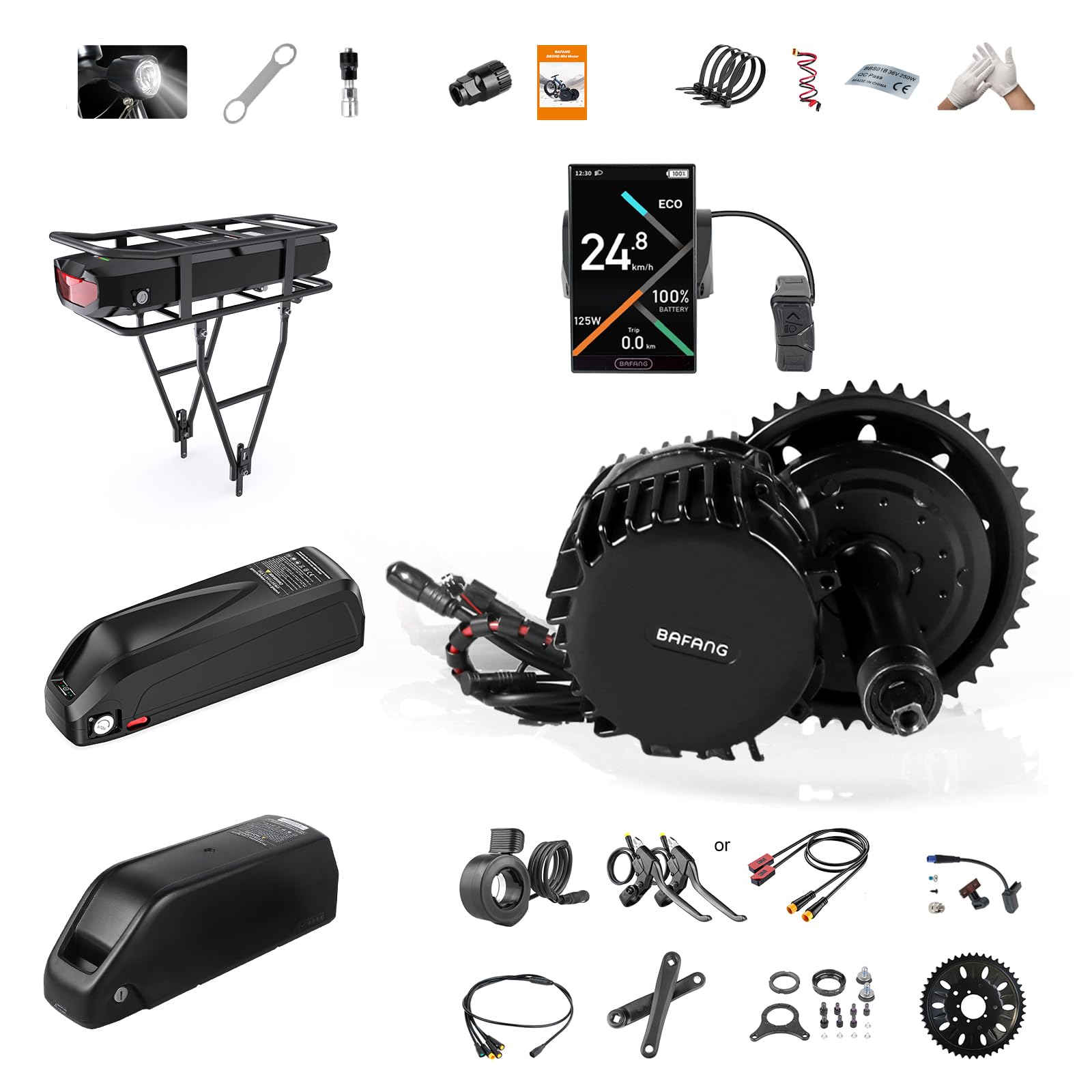
BAFANG 48V 52V 1000W Mid Drive Kit - BBS-HD Mid Motor with Battery (Optional) and LCD Display for 68 73 100 120mm Bottom Bracket, 8fun BBS03 G320 Electric Bike Conversion Kit, DIY Ebike Kit
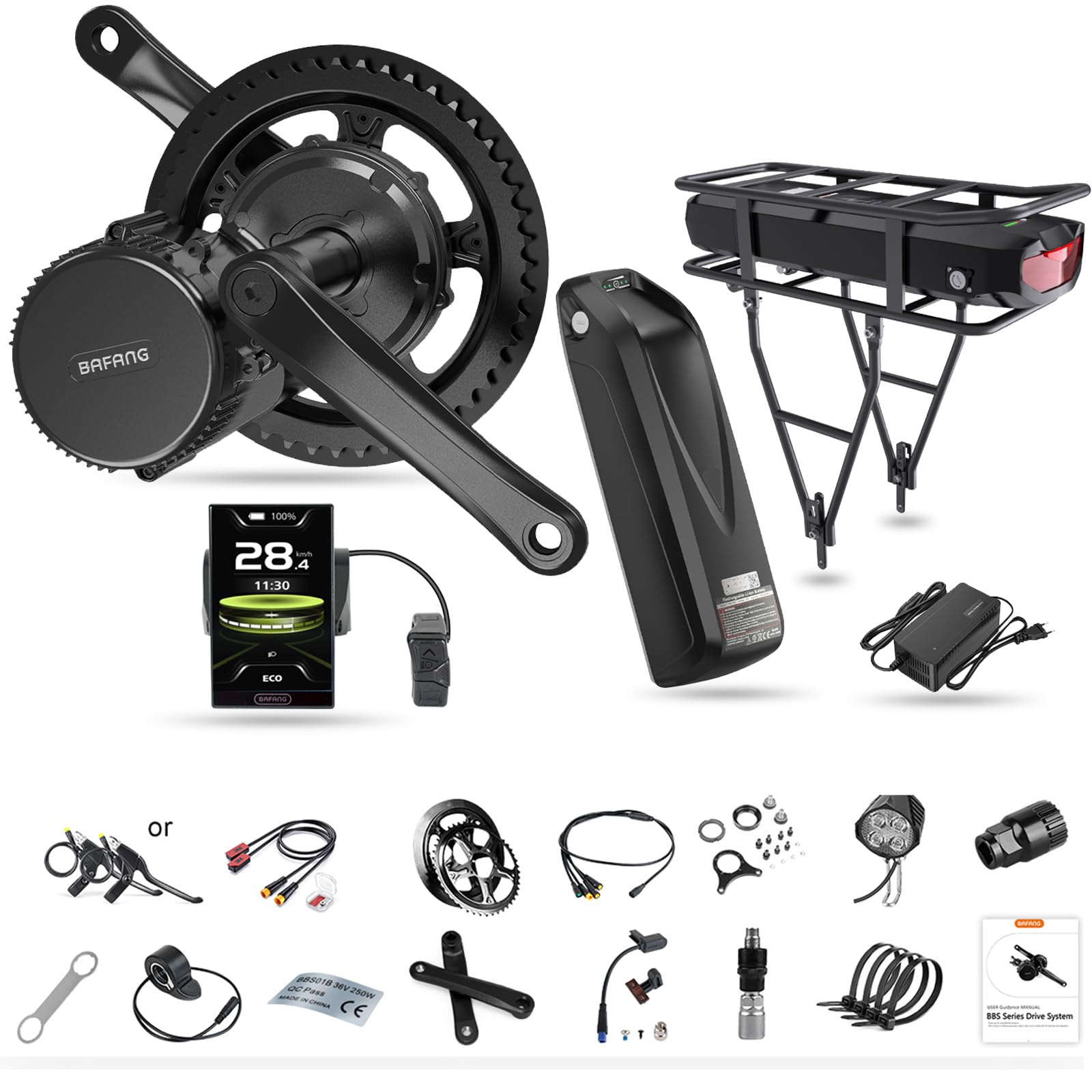
BAFANG Mid Drive Ebike Conversion Kit CAN protocol 48V 1000W 750W 250W BBS01B BBS02B HD Mid Motor Electric Bike Conversion Kit with Optional Ebike Battery and Display DIY for MTB and Road Bike
Our Recommendation
Product B is the better overall buy because it costs £194.26 less while still giving you the BAFANG mid-drive ecosystem, CAN protocol support, and multiple power options. That flexibility matters in the UK, where a 250W setup is the only road-legal choice for public use under EAPC rules. Product A is the stronger motor platform, but most buyers will get more practical value from Product B and can spend the savings on a better battery, brakes, and installation parts.
Detailed Comparison
Display
Neither listing gives full display model details, so this is less about screen quality and more about the ecosystem behind the kit. Product B has a notable edge because it explicitly mentions CAN protocol, which usually means better communication between motor, display, and battery management in BAFANG’s newer ecosystem. That can translate into cleaner data, better fault handling, and easier integration with compatible displays. Product A may include an LCD display option, but the listing is more focused on the motor itself and bottom bracket fitment. Winner: Product B, because CAN protocol support is a meaningful upgrade for usability and compatibility.
Performance
Product A is the raw power option: the BBS-HD / G320 platform is BAFANG’s heavy-duty mid-drive and is generally regarded as the tougher, higher-torque unit. It is better suited to steep hills, heavy riders, cargo loads, and aggressive off-road use. Product B is more flexible because it covers 250W, 750W, and 1000W variants, which makes it attractive if you want to tune the setup to your needs. For UK road use, the 250W option matters a lot because only 250W, 15.5 mph EAPC-compliant builds are legal as pedal cycles; 750W and 1000W setups are not road-legal on public roads in the UK unless used off-road/private land. If you want maximum climbing muscle and are building for private land or off-road use, Product A wins. If you want a more configurable kit and may want to keep things closer to legal or lower-powered operation, Product B is more versatile. Overall performance winner: Product A for outright capability.
Build quality and design
Product A scores highly because it is specifically described as the BBS-HD Mid Motor / BBS03 G320 kit, which is the beefier, more robust platform. It also lists support for 68, 73, 100, and 120mm bottom brackets, which is a strong sign of broad frame compatibility and practical installation flexibility. Product B is still a BAFANG kit and likely well made, but the listing is broader and less clearly anchored to one premium motor architecture. In real-world use, the HD platform generally has the edge for durability under sustained high load, especially on steep terrain or with cargo. Winner: Product A, thanks to the heavier-duty motor platform and more clearly premium positioning.
Battery life
Battery life depends far more on the optional battery you choose than on the motor alone, and neither product listing provides a fixed battery Wh figure. That means you should judge them by efficiency and intended power level. Product B has the advantage because its 250W/750W/1000W flexibility lets you run the system more conservatively, which can extend range if you choose a sensible battery and lower assist settings. Product A, being the more powerful HD setup, will typically encourage higher current draw and therefore shorter range per Wh when ridden hard. For commuting, a 48V battery around 500Wh to 700Wh is often the practical minimum, while hard use or hilly routes benefit from 700Wh+. Winner: Product B for potential range efficiency and flexibility, though the actual battery choice matters most.
Price and value for money
This is where Product B makes its case. At £313.67 versus £507.93, it is £194.26 cheaper, which is a huge difference in conversion-kit terms. That extra money could go toward a larger battery, stronger brakes, a torque arm, better chainring choice, or a more suitable donor bike. Product A is expensive, but if you genuinely need the HD motor’s durability and torque, the premium is easier to justify. For most riders, though, Product B offers the better value because BAFANG mid-drives already deliver excellent real-world performance without needing to pay top-tier money unless you’re pushing the system hard. Winner: Product B, clearly.
Features and usability
Product B’s CAN protocol support is the standout feature here. That generally points to a more modern communication setup and potentially better integration with displays and accessories. Product A’s standout feature is the BBS-HD/G320 hardware itself, which is the stronger choice for abuse, steep climbs, and heavier builds. Both kits are DIY conversion solutions, so you still need to think about chainline, crank clearance, brake upgrades, and whether your donor bike’s frame is suitable. In the UK, also remember that a 1000W mid-drive is not an EAPC-compliant road bike setup. If you want a legal commuter, neither of these exact 1000W variants is ideal unless you are choosing the 250W version in Product B and building carefully to comply. Winner: Product B for modern feature set; Product A for brute-force utility.
Overall user experience
If your priority is a dependable, powerful hill-climbing conversion for private land, trails, or a heavy-duty cargo-style build, Product A feels like the more serious machine. It is the one to buy if you want the strongest hardware and are willing to pay for it. If you want the smartest buy, Product B is the better all-rounder: it is much cheaper, more flexible, and easier to justify because the money saved can be spent on the parts that actually make a conversion good in practice, such as a quality battery, hydraulic brakes, and a properly matched drivetrain. For UK riders, the legal angle matters: if this is for public-road commuting, the 250W version in Product B is the only one that aligns with EAPC rules, while the 1000W versions are off-road/private land only. Overall summary: Product A is the premium brute-force option, but Product B is the better buy for most people because it delivers broader flexibility and far better value.
Buy the BAFANG 48V 52V if...
Buy Product A if you want the toughest, most hard-wearing BAFANG mid-drive and you regularly face steep climbs, heavy loads, or aggressive off-road riding. It makes sense if you value maximum torque and durability over price, and you are building for private land or trail use rather than UK public roads. It is the premium choice for riders who will actually exploit the HD motor’s extra capability.
Buy the BAFANG Mid Drive if...
Buy Product B if you want the best value and a more flexible setup, especially if you may choose the 250W option for a UK-legal commuter build. It is also the better choice if you’d rather put the savings into a larger battery, hydraulic disc brakes, or a better donor bike. For most DIY riders, it is the smarter, more practical purchase.
Curated by Volt Rider on All The Top Picks
As an Amazon Associate we earn from qualifying purchases.