ROG Xbox Ally vs ROG Ally: the Z1 Extreme still wins the buy
These two ASUS handhelds look nearly identical on paper, but the processor and bundle differences make the choice much more important than the spec sheet suggests. Both share the same 7-inch 1080p 120Hz 500-nit display, 16GB RAM, 512GB SSD, and Windows 11, so the real question is performance, value, and how long you plan to keep the device. If you want the best handheld for demanding PC games, one of these is clearly the smarter pick.
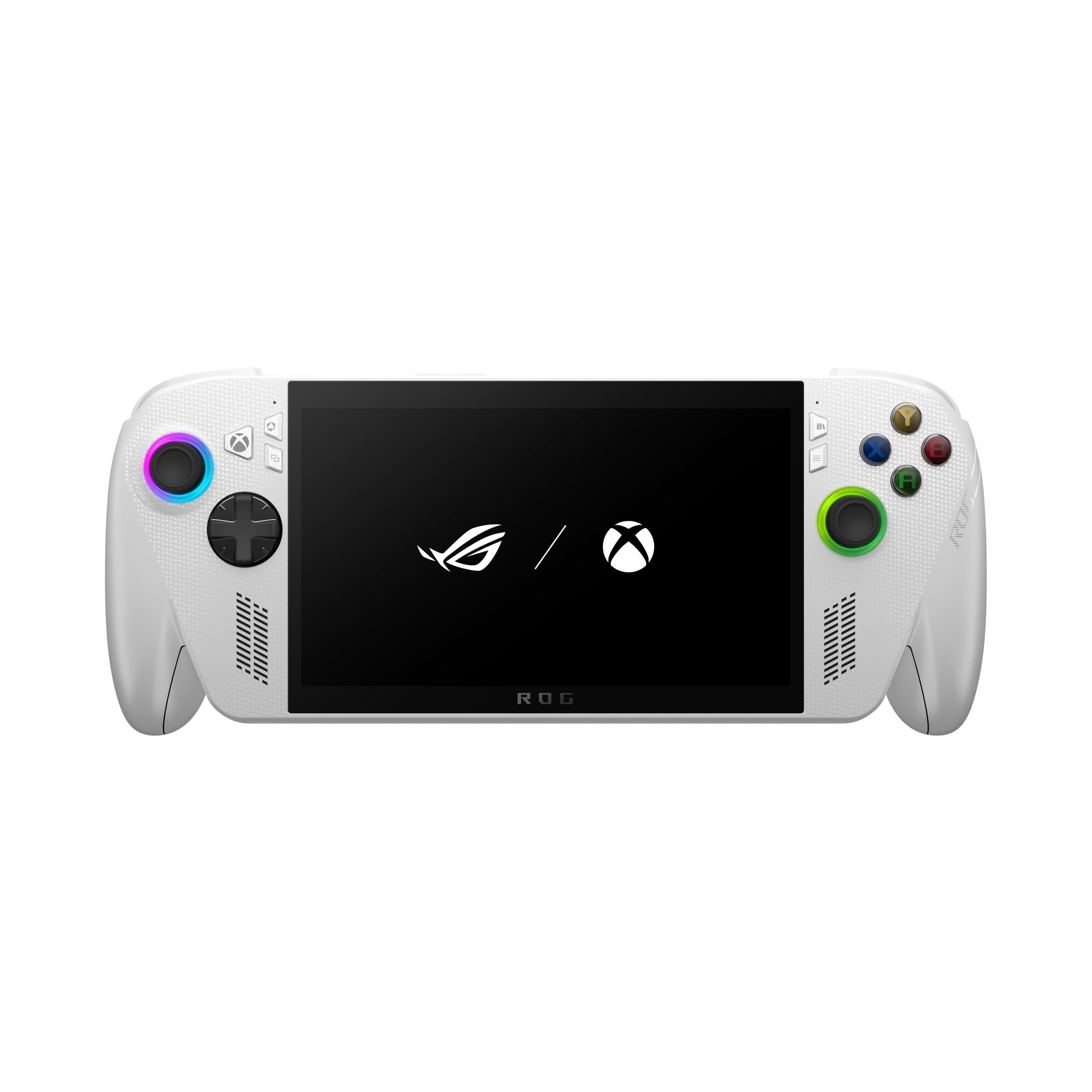
ASUS ROG Xbox Ally | Handheld Gaming Console | AMD Ryzen Z2 A Processor | 7" Full HD 120Hz IPS 500nits Touchscreen | 16GB RAM | 512GB PCIe SSD | Windows 11

ASUS ROG Ally Handheld Gaming Console (AMD Ryzen Z1 Extreme Processor | 7" Full HD 120Hz IPS 500nits Touchscreen | 16GB RAM | 512GB PCIe SSD | AMD Radeon Graphics | Windows 11 | 3 Months Xbox GamePass
Our Recommendation
Buy Product B. The Ryzen Z1 Extreme is the stronger handheld gaming chip, and with the same 16GB RAM, 512GB SSD, 7-inch 120Hz display, and Windows 11, it simply delivers better gaming performance for the same overall platform. The included 3 months of Xbox Game Pass also improves value right out of the box. Unless Product A is much cheaper and you mainly play lighter games, Product B is the better long-term purchase.
Detailed Comparison
Display
This is a tie. Product A and Product B both use a 7-inch Full HD IPS touchscreen with a 120Hz refresh rate and 500 nits of brightness. That means the core visual experience is effectively identical: sharp enough for handheld use, smooth motion in supported games, and solid outdoor visibility for a Windows gaming device. Since the panel specs match exactly, neither model has a meaningful advantage here.
Performance
Product B wins decisively. The ASUS ROG Ally with the AMD Ryzen Z1 Extreme is the stronger gaming chip, and that matters more than almost anything else in a handheld PC. The Z1 Extreme is a proven high-performance APU built to handle modern AAA games at lower power envelopes better than entry-level alternatives, while the Ryzen Z2 A in Product A is positioned as a lower-tier option. In practical terms, Product B is the better choice for higher frame rates, more stable performance in demanding titles, and better headroom as games continue to get heavier. Both have 16GB RAM and a 512GB PCIe SSD, so the CPU/GPU advantage is the deciding factor.
Build quality and design
This is effectively a tie. Both are ASUS ROG handhelds with the same overall form factor, screen size, Windows 11 interface, and premium gaming-device styling. There is no listed difference in materials, ergonomics, storage, memory, or display hardware. Based on the provided specs, neither product has a clear build-quality advantage, and users should expect a very similar in-hand experience.
Battery life
Product A has the edge, but only because it likely uses a more efficient, lower-powered chip. The Ryzen Z2 A should draw less power than the Z1 Extreme under similar workloads, which can translate into longer unplugged sessions and less heat in lighter games or indie titles. That said, battery life on Windows handhelds is always highly game-dependent, and the same 7-inch 120Hz screen will still be a major power draw. If you care more about endurance than raw speed, Product A is the safer bet, but this is a modest win rather than a huge one.
Price and value for money
Product A wins on listed price, but Product B wins on value. Product A is clearly priced at £449.00, while Product B has no listed price here. Even so, the Z1 Extreme model is the more capable gaming device, and that extra performance usually matters more than a small price difference in this category. If Product B is priced close to Product A, it is the better buy because you are getting the stronger chip and the same display, memory, and storage. If Product B is significantly more expensive, Product A becomes appealing for budget-conscious buyers who mainly play lighter games or want better battery efficiency.
Game library and features
Product B wins because the package is stronger for PC gaming right now. Both run Windows 11, so they access the same PC storefronts and launchers, but Product B includes 3 months of Xbox Game Pass, which adds immediate value and a broader starting library. More importantly, the Z1 Extreme gives Product B better compatibility with demanding games and better performance in the Windows handheld ecosystem overall. Product A may be branded as the newer Xbox Ally model, but the weaker processor makes it less attractive if your goal is to play a wide range of PC titles smoothly.
Overall user experience
Product B wins. A handheld gaming PC lives or dies by how often it can deliver a smooth, low-fuss experience, and the Z1 Extreme is the better chip for that job. Since both models share the same screen, RAM, storage, and operating system, the user experience comes down to how well games run and how often you have to compromise settings. Product B should feel faster in heavier titles, more future-proof, and better suited to the kind of buyer who wants one device to cover everything from indie games to modern AAA releases. Product A is not a bad device, but it is easier to recommend only if battery life or price is the primary concern.
Overall summary: The ASUS ROG Ally with the Ryzen Z1 Extreme is the clear winner for most buyers. It offers the same display and core hardware footprint as Product A, but with substantially better gaming performance and a better bundled value thanks to Xbox Game Pass. Choose Product A only if it is meaningfully cheaper or if you prioritize efficiency over frame rates.
Buy the ASUS ROG Xbox if...
Buy Product A if your top priority is battery efficiency and you plan to play lighter or less demanding games most of the time. It also makes sense if the £449 price is significantly lower than Product B, because the hardware package is otherwise very similar. For casual handheld use, the lower-powered chip may be easier to live with unplugged.
Buy the ASUS ROG Ally if...
Buy Product B if you want the best gaming performance and the most future-proof option between the two. It is the better pick for AAA games, higher settings, and smoother frame rates, and the included 3 months of Xbox Game Pass adds immediate extra value. If you want the safer all-around recommendation, this is it.
Curated by Light Gun Gamer on All The Top Picks
As an Amazon Associate we earn from qualifying purchases.