Big backup power or tiny travel pack: which EcoFlow/Anker wins?
These two products solve very different problems, so the right choice depends on how much power you actually need. The Anker SOLIX C1000 is a full-size portable power station built for serious backup, camping appliances, and higher-wattage devices, while the ECOFLOW Trail 300 DC is an ultra-light, low-noise battery bank for phones, tablets, cameras, and light travel loads. If you want one clear recommendation, this comparison comes down to capacity, output type, and whether you need AC power at all.
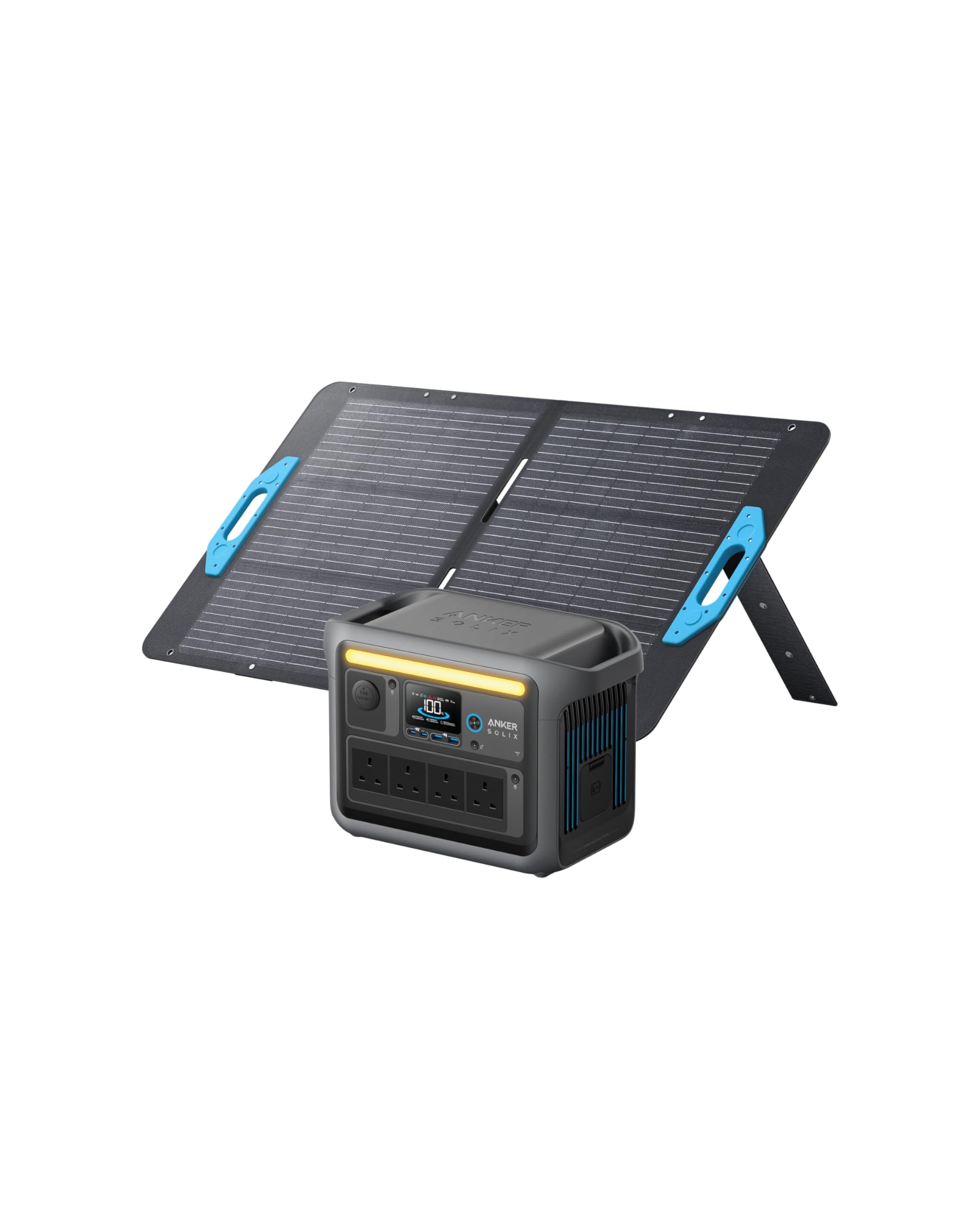
Anker SOLIX C1000 Portable Power Station with 100W Solar Panel, 1800W (Peak 2400W) Solar Generator, 1056Wh LiFePO4, 4 AC Outlets, Fast Charge 100% in 58 Min, Home Backup, Camping, RV & Emergency
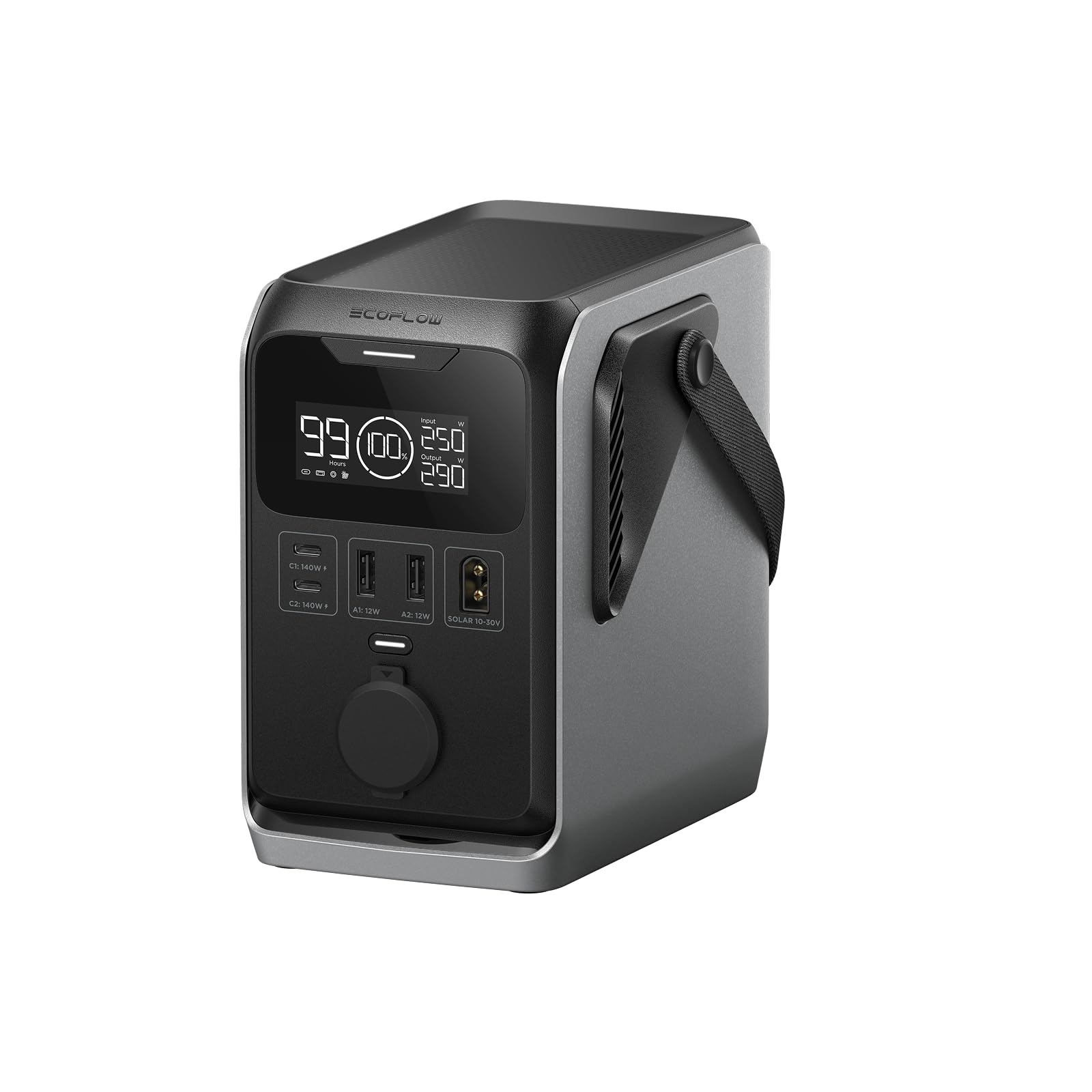
ECOFLOW Trail 300 DC Portable Power Station, 288Wh Ultra-light LiFePO4 Battery Bank, 300W Solar Generator, Fast Charge, 5 Output Port, Drop-Proof, Solar/Car Input, 0 Noise for Camping/Travel/Emergency
Our Recommendation
Buy the Anker SOLIX C1000 if you want a genuinely useful portable power station rather than a glorified phone charger. Its 1056Wh LiFePO4 battery, 1800W output, 4 AC outlets, and fast recharge make it vastly more capable for home backup, camping, and emergency use. The EcoFlow Trail 300 DC is cheaper and lighter, but its 288Wh capacity and 300W limit put it in a completely different league. For most people comparing these two directly, the Anker is the only one that can realistically cover serious power needs.
Detailed Comparison
Display
Neither product is really competing on a fancy display in the way a premium home battery or inverter would. The Anker SOLIX C1000 typically offers the more informative power-station interface, with a proper status display for battery percentage, input/output wattage, and charging estimates, which is important when you are trying to manage larger loads or solar charging. The EcoFlow Trail 300 DC is simpler and more stripped back, which suits its ultra-portable design, but it is not the kind of unit you buy for detailed energy monitoring. Winner: Anker SOLIX C1000, because better visibility matters when you are dealing with 1056Wh and up to 1800W output.
Performance
This is the biggest gap in the comparison. The Anker SOLIX C1000 has a 1056Wh LiFePO4 battery, 1800W continuous output, and 2400W peak surge, which means it can run kettles? No, not a full kettle for long, but it can comfortably handle laptops, monitors, routers, small kitchen appliances, power tools, and many camping devices. Its fast recharge claim of 100% in 58 minutes is genuinely impressive and makes it much more practical as a home backup unit or for frequent use. The EcoFlow Trail 300 DC, by contrast, is a 288Wh LiFePO4 battery with a 300W output limit. That is fine for charging phones, cameras, drones, lights, and small DC electronics, but it is nowhere near the same class of product for appliance backup. Winner: Anker SOLIX C1000 by a wide margin.
Build quality and design
The Anker is the more substantial unit, and that is both a strength and a trade-off. It is designed as a proper portable power station with four AC outlets, higher power electronics, and enough cooling and internal hardware to support heavy loads. The EcoFlow Trail 300 DC is lighter, quieter, and more rugged in a travel-friendly sense, with drop-proof positioning and zero-noise operation, which makes it ideal for tents, cars, and carry-on style use. If your priority is durability under rough travel conditions and minimal weight, the Trail 300 has the edge. If your priority is a more capable, better-rounded power station that can actually substitute for mains power in a pinch, the Anker wins. Winner: Tie, because they are built for different use cases.
Battery life
Battery life should be measured in watt-hours, not marketing language. Here the Anker’s 1056Wh capacity gives it more than three times the energy storage of the EcoFlow’s 288Wh pack. In practical terms, that means the Anker can run a laptop several times longer, keep a router and lights going through an outage, or support a much wider range of devices before needing a recharge. Both use LiFePO4 chemistry, which is the right choice for long cycle life and better thermal stability than older NMC-based packs, but the Anker simply has far more usable energy. Winner: Anker SOLIX C1000.
Price and value for money
The EcoFlow Trail 300 DC is far cheaper at £159 versus £679 for the Anker, and that price gap of £520 is enormous. If you only need a compact battery bank for travel, photography, or emergency phone charging, the EcoFlow is excellent value because you are not paying for unnecessary AC inverter hardware or oversized capacity. However, value is not the same as cheapest option. The Anker’s higher price is justified if you need meaningful backup power, solar input, and AC outlets that can support real household devices. Winner: EcoFlow Trail 300 DC for pure affordability; Anker for value if you need serious output.
Features and usability
The Anker has the more versatile feature set: 4 AC outlets, high peak output, fast charging, home backup potential, and solar generator functionality. That makes it much more flexible for UK renters, flat-dwellers, and campers who want one unit to cover multiple scenarios without needing an electrician or landlord permission. The EcoFlow Trail 300 DC focuses on simplicity: 5 output ports, solar/car input, ultra-light weight, and silent operation. But it lacks AC output and is therefore limited to DC-centric use cases. If you want to power mains devices, the EcoFlow cannot compete. Winner: Anker SOLIX C1000.
Overall user experience
The EcoFlow Trail 300 DC is easier to carry, quieter, and less intimidating for casual users. It is the sort of product you throw in a car boot, take on a weekend trip, and use to keep small electronics topped up without any fuss. The Anker SOLIX C1000 feels like a serious piece of backup kit: heavier, more expensive, and much more capable. For users who want genuine resilience during outages, better solar compatibility, and enough output to matter, the Anker delivers a far more complete experience. Winner: Anker SOLIX C1000.
Overall summary: the EcoFlow Trail 300 DC is the better buy only if you want a lightweight, low-cost, no-fan-noise battery for small devices. The Anker SOLIX C1000 is the clear winner for anyone who wants real backup power, higher wattage, much more capacity, and a more future-proof solar generator setup.
Buy the Anker SOLIX C1000 if...
Buy Product A if you want to run laptops, monitors, routers, CPAP-style low-draw devices, or other mains-powered gear during outages. It is also the better pick if you plan to use solar regularly and want a unit that can recharge quickly and handle much bigger loads. If you are spending £679, you are buying capability, not just portability.
Buy the ECOFLOW Trail 300 if...
Buy Product B if your priority is ultra-light portability, silent operation, and charging phones, tablets, cameras, or small DC accessories on the move. It makes sense for solo travel, camping, day trips, and emergency top-ups where AC output is unnecessary. At £159, it is a strong budget choice for light users who do not need a full power station.
Curated by The Solar Plug on All The Top Picks
As an Amazon Associate we earn from qualifying purchases.