Best portable power for renters: fast all-rounder or bigger backup bank?
If you’re choosing between these two, you’re really deciding between a compact, high-output power station bundle and a much larger add-on battery for a bigger EcoFlow ecosystem. The Anker SOLIX C1000 is a self-contained 1056Wh LiFePO4 power station with AC outputs and a 100W panel included, while the EcoFlow option is an extra 2048Wh battery designed to expand a DELTA 2 Max setup. That means the best choice depends less on brand loyalty and more on whether you want an all-in-one, ready-to-use unit or a capacity upgrade for an existing system. For UK renters, flat-dwellers, campers, and anyone wanting emergency backup without faffing about with installers, the difference is significant.
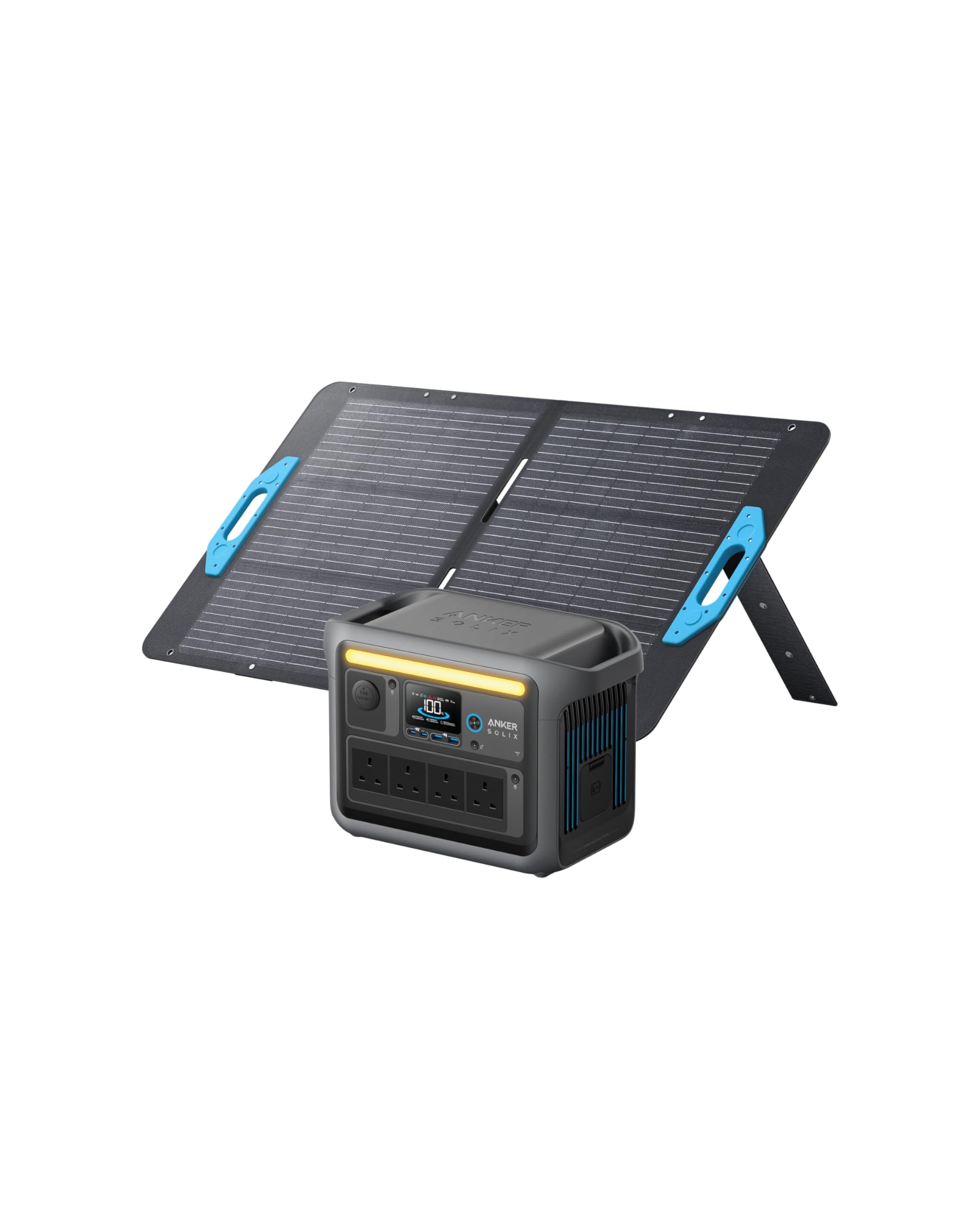
Anker SOLIX C1000 Portable Power Station with 100W Solar Panel, 1800W (Peak 2400W) Solar Generator, 1056Wh LiFePO4, 4 AC Outlets, Fast Charge 100% in 58 Min, Home Backup, Camping, RV & Emergency
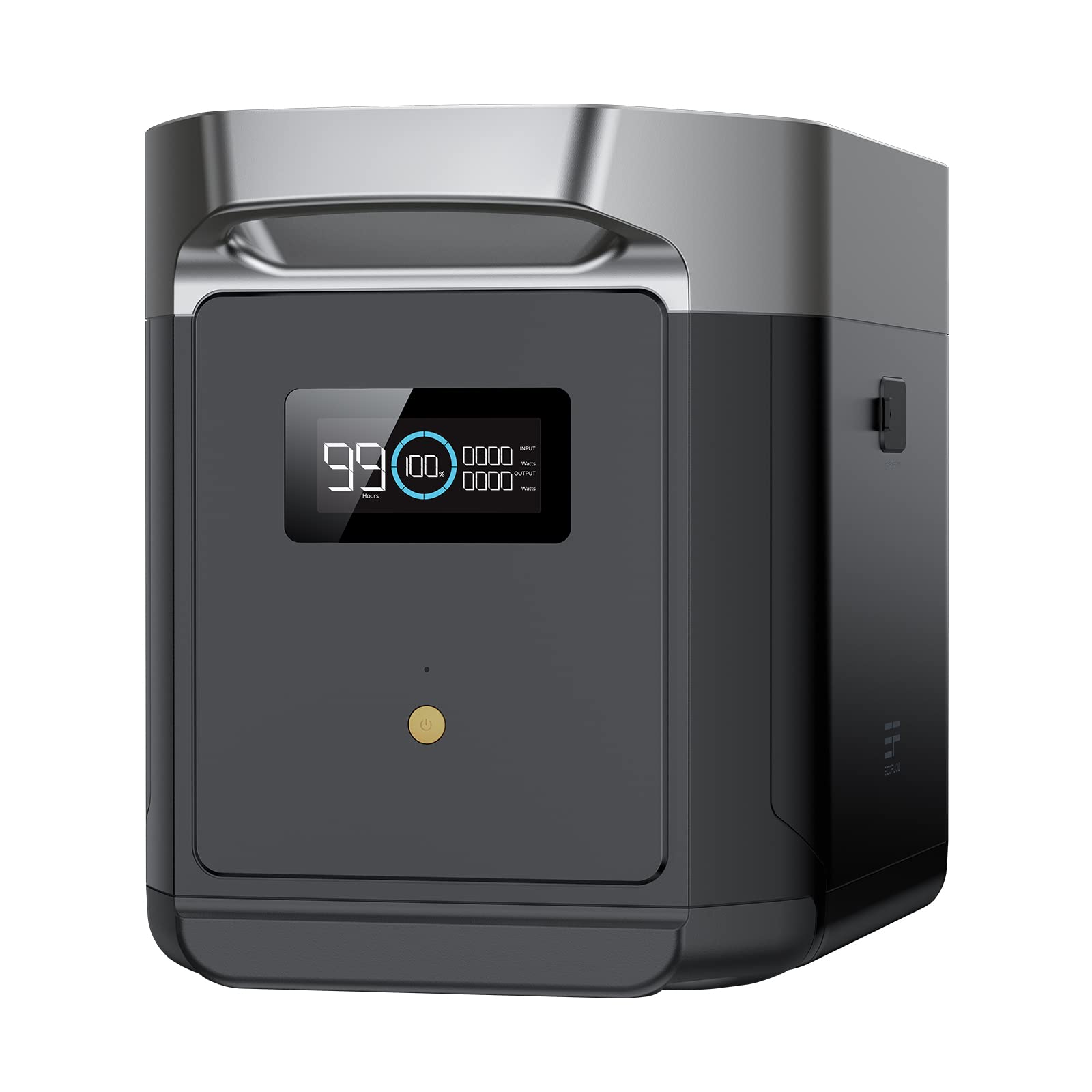
ECOFLOW Extra Battery for DELTA 2 Max Portable Power Station, 2048Wh Capacity, LifePO4 Battery For Home Backup, Energy Savings, Outdoors, RV, Camping
Our Recommendation
Buy the Anker SOLIX C1000 unless you already own the EcoFlow DELTA 2 Max. It is a complete 1056Wh LiFePO4 power station with 1800W output, 2400W surge, four AC outlets, and a 100W solar panel included, all for £679. The EcoFlow option has more capacity, but it is only an expansion battery and costs £320 more, so it is much less compelling for most buyers.
Detailed Comparison
Display
Winner: Anker SOLIX C1000
The Anker is the more complete standalone product, and that usually means better day-to-day usability. While neither listing gives a detailed screen spec, the C1000 class of power station typically includes a front display showing input/output wattage, battery percentage, estimated runtime, and charging status. That matters because if you are using it for a fridge, router, laptop, or CPAP backup, you need quick visibility. The EcoFlow Extra Battery is not a full power station on its own; it is an expansion battery, so display and control are effectively inherited from the DELTA 2 Max main unit. If you do not already own that ecosystem, the extra battery has no meaningful “display” advantage at all.
Performance
Winner: EcoFlow Extra Battery, but only for total capacity
On raw stored energy, EcoFlow wins decisively: 2048Wh versus Anker’s 1056Wh. That is nearly double the capacity, which translates into much longer runtime for low-to-medium loads. If your priority is keeping essentials running during outages, the EcoFlow battery makes more sense when paired with the DELTA 2 Max base unit. However, the Anker SOLIX C1000 has a 1800W output rating with a 2400W surge and is a complete power station, so it can actually deliver power immediately without requiring another product. For many UK homes, that matters more than headline capacity: a 1056Wh unit that can run appliances and recharge fast is more practical than a larger battery that cannot be used alone.
Build quality and design
Winner: Tie, with a slight edge to Anker for simplicity
Both brands use LiFePO4 chemistry, which is the right call for safety, cycle life, and long-term reliability. LiFePO4 generally outlasts NMC in daily cycling and is better suited to regular charging from solar or mains. The Anker’s all-in-one design is easier for renters and flat-dwellers: one box, four AC outlets, fast charging, and a 100W solar panel included. That makes setup straightforward for balcony or garden charging, emergency use, or moving between home and campsite. The EcoFlow extra battery is well-suited to a modular system, but modularity also means more complexity, more space, and a dependency on the base DELTA unit.
Battery life
Winner: EcoFlow Extra Battery
This one is simple: 2048Wh beats 1056Wh for runtime. If you want to keep a fridge, Wi-Fi router, lights, or multiple devices powered for longer during a blackout, EcoFlow’s capacity advantage is substantial. It is the better choice for extended home backup, especially if you already own the DELTA 2 Max and want to stretch its endurance. The Anker can still be very capable for shorter outages, weekend camping, or daily portable use, but it will run out of energy sooner. The included 100W panel helps, but 100W solar is a modest input and won’t fully offset heavy loads quickly.
Price and value for money
Winner: Anker SOLIX C1000
At £679, the Anker is £320 cheaper than the EcoFlow extra battery at £999. More importantly, the Anker is a complete product: power station, battery, inverter, AC outlets, and solar panel in one package. That makes it far better value for anyone starting from scratch. The EcoFlow battery only makes sense if you already own the DELTA 2 Max and genuinely need more storage. Otherwise, paying £999 for a battery expansion without the main inverter unit is poor value for most buyers. For renters and flat owners trying to avoid expensive, overcomplicated setups, the Anker is the more sensible spend.
Game library/features
Winner: Anker SOLIX C1000
Neither product has a “game library” in the literal sense, but if we translate this to features and ecosystem usefulness, the Anker is the more feature-complete buy for the average user. It includes a 100W solar panel, four AC outlets, fast charging to 100% in 58 minutes, and a 1800W inverter with 2400W peak output. That is a strong feature set for camping, emergency backup, and portable home use. The EcoFlow extra battery is feature-rich only when paired with the correct DELTA 2 Max system, and then its main feature is simply extra capacity. Useful, yes, but less versatile.
Overall user experience
Winner: Anker SOLIX C1000
For most people, the best user experience is the one that works immediately and doesn’t require ecosystem planning. The Anker is the better plug-and-play option: buy it, charge it, use it. The fast recharge time is a major advantage for UK users who may want to top up from mains overnight or make the most of brief sunny spells on a balcony or patio. The included solar panel also lowers the barrier to entry. The EcoFlow battery is excellent if you already have the DELTA 2 Max and want to build a larger backup system, but as a standalone purchase it is incomplete by design. That makes it less convenient for the average renter or first-time buyer.
Overall summary: choose the Anker SOLIX C1000 if you want the best all-round value, a complete portable power station, and a far more practical purchase for camping, emergency backup, or everyday portable use. Choose the EcoFlow extra battery only if you already own the DELTA 2 Max and your main goal is to double runtime. For most shoppers comparing these two listings directly, the Anker is the clear winner because it is cheaper, self-contained, faster to recharge, and immediately usable out of the box.
Buy the Anker SOLIX C1000 if...
Buy Product A if you want a ready-to-go portable power station for camping, outages, or moving between home and outdoor use without needing any other hardware. It is also the better pick if you value fast charging, lower upfront cost, and a complete solar-capable setup in one box. For renters and flat-dwellers, that simplicity is a big advantage.
Buy the ECOFLOW Extra Battery if...
Buy Product B only if you already own the EcoFlow DELTA 2 Max and need to nearly double your storage for longer backup runtime. It makes sense for users building a modular home backup system and who are happy to pay more for extra Wh rather than a full standalone unit. If you do not already have the DELTA 2 Max, this is not the right first purchase.
Curated by The Solar Plug on All The Top Picks
As an Amazon Associate we earn from qualifying purchases.