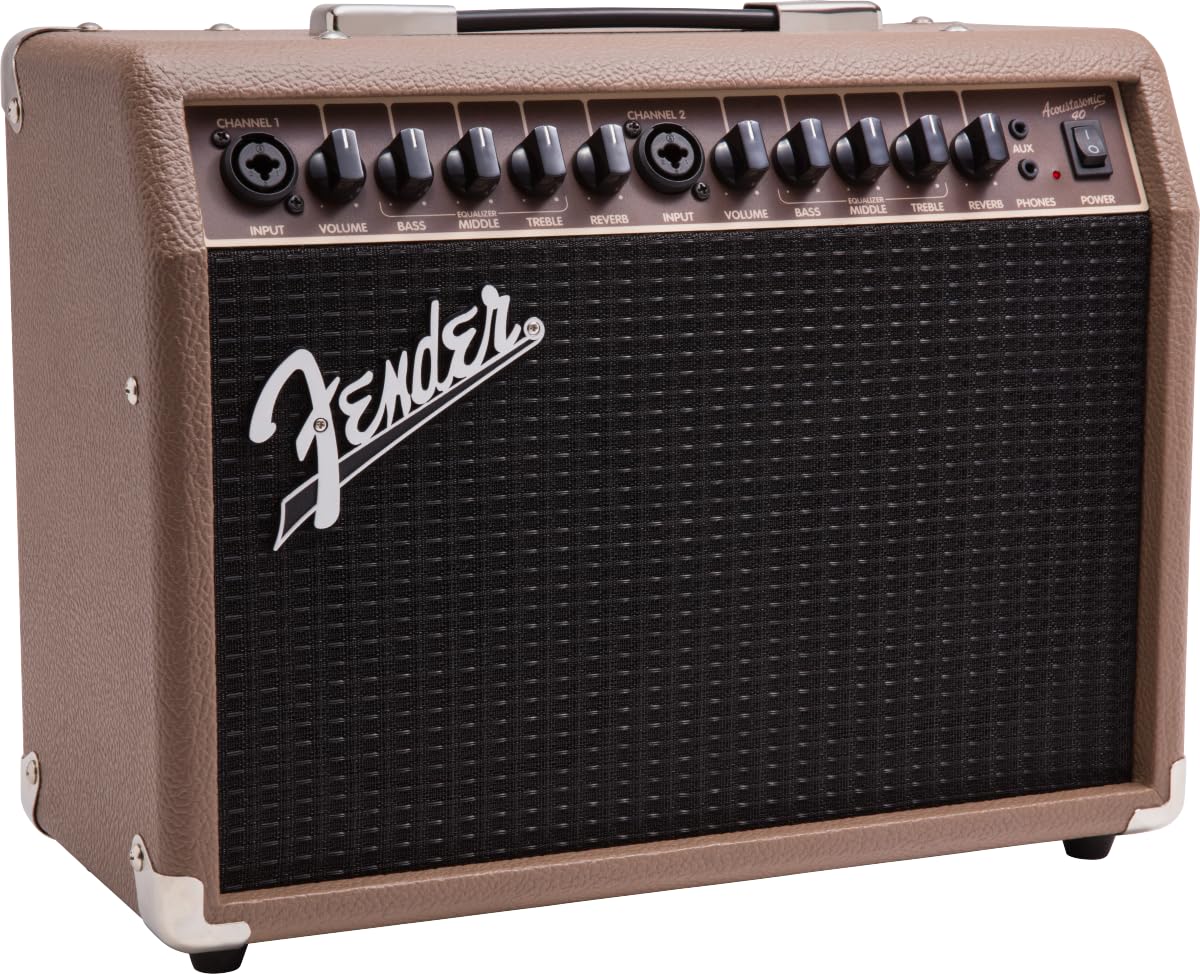
5 Alternatives to the Fender Champion II 100 for Guitarists Who Want More Value, Different Features, or a Better Fit
The Fender Champion II 100 is a solid 100W combo for players who want plenty of clean headroom, built-in effects, and simple plug-and-play usability. But if it’s out of stock, stretching your budget, or you want a different approach to practice and performance, there are several strong alternatives worth comparing.
Original Product

If you’re shopping for an alternative to the Fender Champion II 100, the main question is usually not just “what else is there?” but “what do I actually need this amp to do?” A 100W solid-state combo like the Champion II 100 is aimed at players who want enough volume for rehearsal, band practice, and some small gigs, with a straightforward control set and onboard amp voices/effects. The alternatives below split into two camps: other amps that compete directly, and guitars that make sense if you were considering the Fender because you need a complete electric setup rather than just amplification.
Positive Grid Spark 2 50W Smart Guitar Practice Amp & Bluetooth Speaker — £229.00
This is £80 cheaper than the Fender, and it’s the most obvious option if your priority is practice, tone discovery, and bedroom use rather than sheer stage volume. The Spark 2 is a 50W combo, so it has half the rated power of the Champion II 100, which matters in real life: it won’t push as much air, and it’s less likely to keep up with a loud drummer in the same way a 100W amp can. But the trade-off is a much more modern feature set. The Spark 2 adds Bluetooth speaker functionality, a built-in looper, AI-assisted app features, and smart tone tools that make it very easy to jam along, learn riffs, and experiment with sounds. That makes it especially appealing for home players who want inspiration and convenience over traditional amp simplicity.
In terms of build quality, Positive Grid’s hardware is generally well put together for home and practice use, but it doesn’t have the same “traditional amp” feel as a Fender combo. The Champion II 100 is the more straightforward, gig-friendly box: bigger power, simpler operation, and a more conventional amp workflow. The Spark 2 feels more like a connected practice ecosystem. If you value app integration, backing tracks, looping, and quick access to lots of tones, the Spark 2 is arguably the better value. If you need a rehearsal amp that behaves like a classic stage combo, the Fender still has the edge.
Verdict: choose the Spark 2 if you mostly play at home, record ideas, or want a smart practice amp with far more digital convenience. Choose the Fender if you need louder, more traditional gig-style amplification.
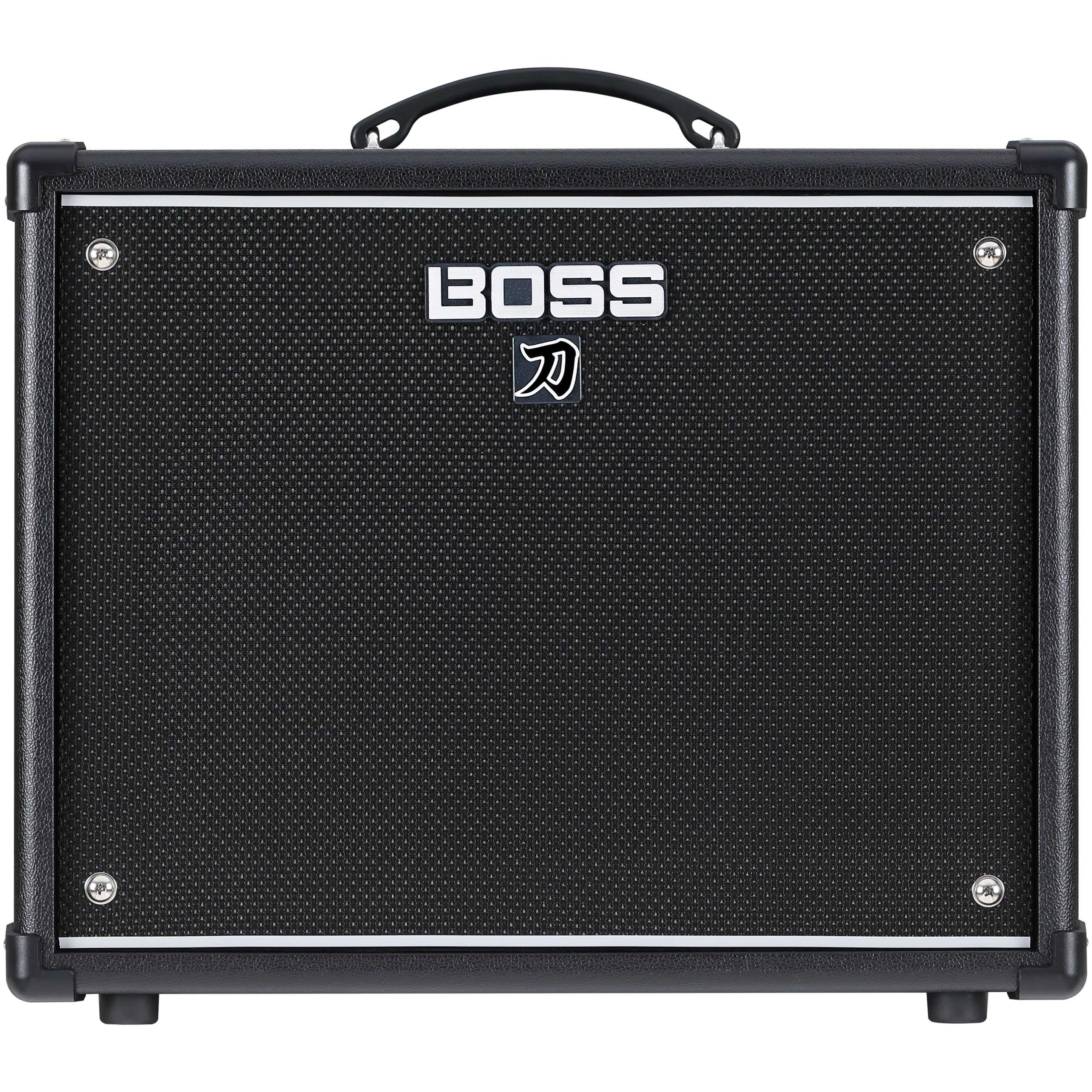
Boss Katana-50 Gen 3 50 Watt 1 x 12 Inch Combo Amplifier — £299.00
This is only £10 less than the Fender, so it’s less about saving money and more about choosing a different platform. The Katana-50 Gen 3 is a 50W combo with a 1 x 12-inch speaker, so on paper it gives up rated power compared with the Champion II 100. In practical terms, though, Boss amps are known for excellent feel, flexible amp modelling, and very usable onboard effects. The Katana line has built a strong reputation because it sounds convincing at low volumes, works well for home practice, and can still hold its own in rehearsals when mic’d or used carefully.
Compared with the Fender, the Katana’s key advantage is depth and flexibility. You get a more sophisticated amp model ecosystem, and the onboard effects are typically more polished and more useful for serious players who want to cover a lot of ground without buying pedals immediately. The Fender is simpler and more direct, which some players prefer; it can feel less menu-driven and more like a traditional combo. Build quality is a strong point for Boss, and the Katana series is widely trusted for reliability, which matters if you’re gigging or transporting gear regularly.
The trade-off is power and simplicity. The Champion II 100 gives you more wattage and likely a bit more clean headroom if you’re playing with a loud band. The Katana-50 Gen 3 gives you a more refined feature set in a smaller power class. If you’re a player who wants one amp to do a lot of jobs well, the Boss is a very serious alternative.
Verdict: choose the Katana if you want a more versatile, effects-rich amp with a strong reputation for reliability. Choose the Fender if you want more raw power and a simpler, more traditional combo experience.
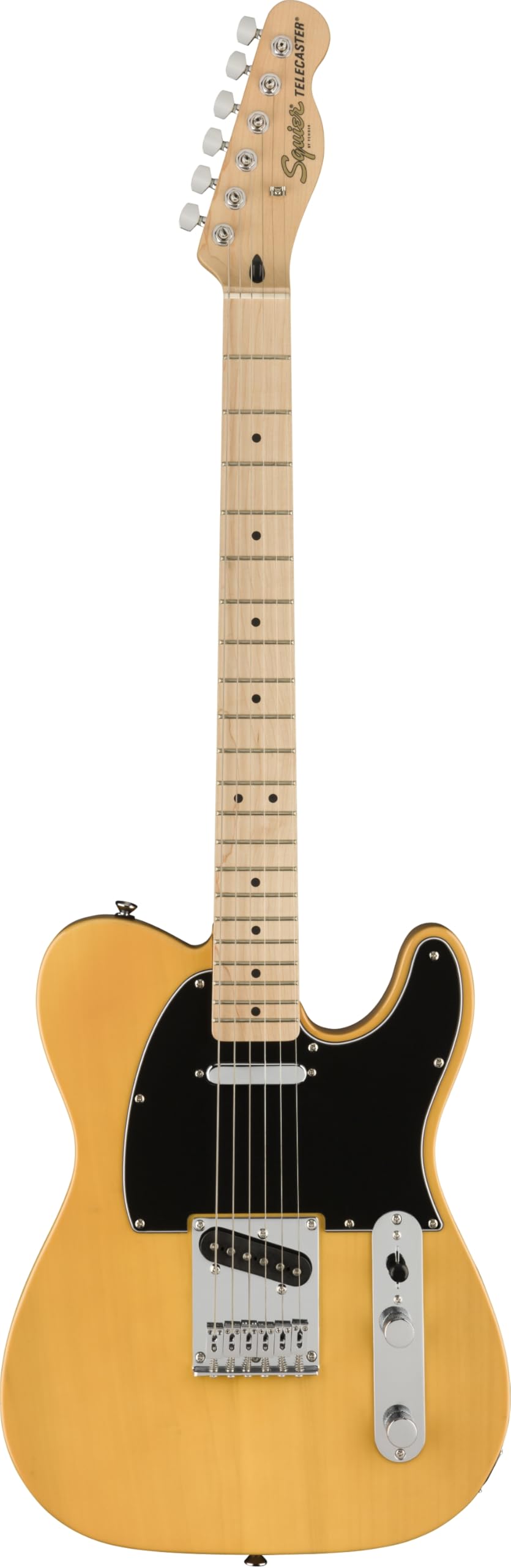
Squier by Fender Affinity Series Telecaster, Maple Fingerboard, Butterscotch Blonde — £239.00
This is £70 cheaper than the Fender amp, but it’s not an amp alternative in the strict sense — it’s an alternative if you were actually looking for a guitar to pair with your amp purchase. The Affinity Telecaster is a solid entry-level electric with a familiar two single-coil pickup layout and a classic 6-string, 22-fret-style beginner-to-intermediate format that works well for rock, indie, country, pop, and clean rhythm playing. If the Champion II 100 was on your shortlist because you need a complete setup, this guitar is a sensible way to redirect some of that budget into the instrument itself.
In practical terms, the Telecaster platform is simpler and more immediate than many budget guitars. The single-coil pickups tend to be bright, articulate, and responsive, which pairs well with a modelling amp or a clean solid-state combo. Build quality on the Affinity series is usually good for the money, though it’s still an affordable instrument, so you may notice less refined fretwork, hardware, and overall finish compared with the more expensive Classic Vibe models. That said, it’s a dependable guitar for learning, rehearsing, and recording basic parts.
The key trade-off is that this doesn’t solve your amplification needs. If you already own an amp, the Affinity Telecaster is a great value. If you need volume, effects, and speaker output, it’s not a substitute for the Fender Champion II 100. But for players building a rig from scratch, it may be the smarter purchase because a good guitar often matters more than a bigger amp at the start.
Verdict: choose the Affinity Telecaster if you need a playable, classic-style electric guitar and can live without upgrading your amp immediately. It’s a better fit for buyers who were considering the Fender as part of a broader setup.
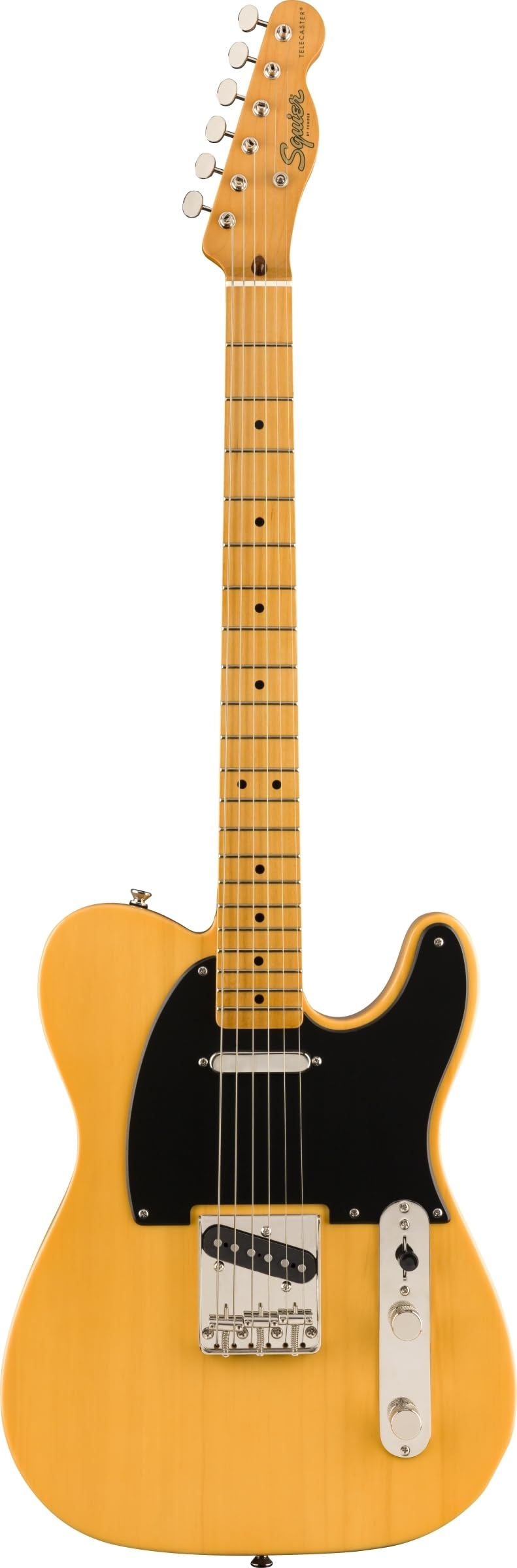
Squier by Fender Classic Vibe ’50s Telecaster, Butterscotch Blonde — £354.00
At £354, this is £45 more expensive than the Fender Champion II 100, so it’s the premium option in this list. Like the Affinity model, it’s a guitar rather than an amp, but it’s a notably better-built instrument and one that serious players often keep long term. The Classic Vibe series is known for stronger build quality, better-feeling necks, more convincing vintage styling, and generally more polished hardware and electronics than the Affinity range. It usually feels closer to a “real instrument” rather than just a starter guitar.
The practical impact is important: if you’re a player who already has an amp, or you’re happy to delay the amp upgrade, this Telecaster gives you a more inspiring platform to practice on. Better build quality means better tuning stability, a more satisfying playing feel, and less temptation to replace it quickly. The single-coil pickup character is still bright and articulate, so it works especially well for clean tones, edge-of-breakup sounds, and pedal-based rigs.
Compared with the Champion II 100, this is a completely different purchase category. You’re spending more because you’re stepping up from amplification to a better instrument. If your current amp is already adequate, this is the more meaningful upgrade. If you need a louder combo for rehearsals or gigs, the Fender amp is still the correct type of product.
Verdict: choose the Classic Vibe ’50s Telecaster if you want a higher-quality guitar that you’ll keep and enjoy for years. It’s the best choice here for players prioritising the instrument over the amp.
Ibanez Gio GSA60-WNF Walnut Flat — £210.00
This is the cheapest option on the list, saving you £99 versus the Fender. Like the Squier models, it’s a guitar alternative rather than an amplifier alternative, but it makes sense for buyers who are trying to get value and versatility. The Gio GSA60 typically offers a more modern feel than a Telecaster, with a slimmer neck profile and a body shape that many players find comfortable for longer practice sessions. Pickup-wise, the GSA line is usually more flexible than a straight vintage-style single-coil guitar, giving you a broader range of tones for rock, blues, and heavier styles depending on the exact configuration.
Build quality on the Gio range is generally respectable for the price, though it sits below the Classic Vibe Telecaster in refinement. The upside is comfort and versatility: if you’re not committed to vintage-style tones, the Ibanez can be easier to play and less restrictive across genres. For beginners or developing players, that can make a real difference to practice consistency.
The key trade-off is that, like the other guitars, it doesn’t replace the Fender amp. But if your real issue is budget, the Ibanez lets you spend less while still getting a capable instrument, and you can put the savings toward a better amp later. If you already have amplification, it’s arguably the best value here.
Verdict: choose the GSA60 if you want an affordable, comfortable, versatile guitar and don’t need the amp right away. It’s a smart budget move for players who care more about playability than brand prestige.
Which alternative is best overall?
If you want a direct amp substitute, the Boss Katana-50 Gen 3 is the strongest all-round rival because it combines good build quality, practical effects, and a trusted reputation. If you want the best practice companion, the Positive Grid Spark 2 is the most feature-rich and inspiring. If you were really deciding how to spend your money across a full setup, the Squier Affinity Telecaster and Ibanez Gio GSA60 are the best budget-friendly guitars, while the Classic Vibe ’50s Telecaster is the premium instrument pick.
For a guitarist who needs a loud, simple combo for rehearsals and occasional gigs, the Fender Champion II 100 still makes sense. But if your priorities are smarter practice tools, a more versatile effects platform, or a better guitar for the money, one of these alternatives may be the better buy.
Alternatives

Positive Grid Spark 2 50W Smart Guitar Practice Amp & Bluetooth Speaker with Built-in Looper, AI Features & Smart App for Electric, Acoustic, & Bass Guitar
Squier by Fender Affinity Series Telecaster, Electric Guitar, Maple fingerboard, Butterscotch Blonde
Squier by Fender Classic Vibe '50s Telecaster, Butterscotch Blonde

Still Buy the Original If...
Buy the Fender Champion II 100 if you want a straightforward 100W combo with plenty of volume, simple controls, and a familiar Fender workflow for rehearsal or small gigs. It’s still the best fit if you prioritise power and plug-and-play reliability over extra features.
Love picks like this?
Get weekly product recommendations straight to your inbox.
Curated by Keys & Strings on All The Top Picks
As an Amazon Associate we earn from qualifying purchases.