5 Alternatives to the Fender Acoustasonic 40 — Including Better Options for Some Players
If the Fender Acoustasonic 40 is out of stock, feels a bit pricey, or simply isn’t the best fit for your setup, there are some strong alternatives worth considering. Some give you more power, others offer smarter practice features, and a few are better if you’d rather put the money toward the guitar itself.
Original Product
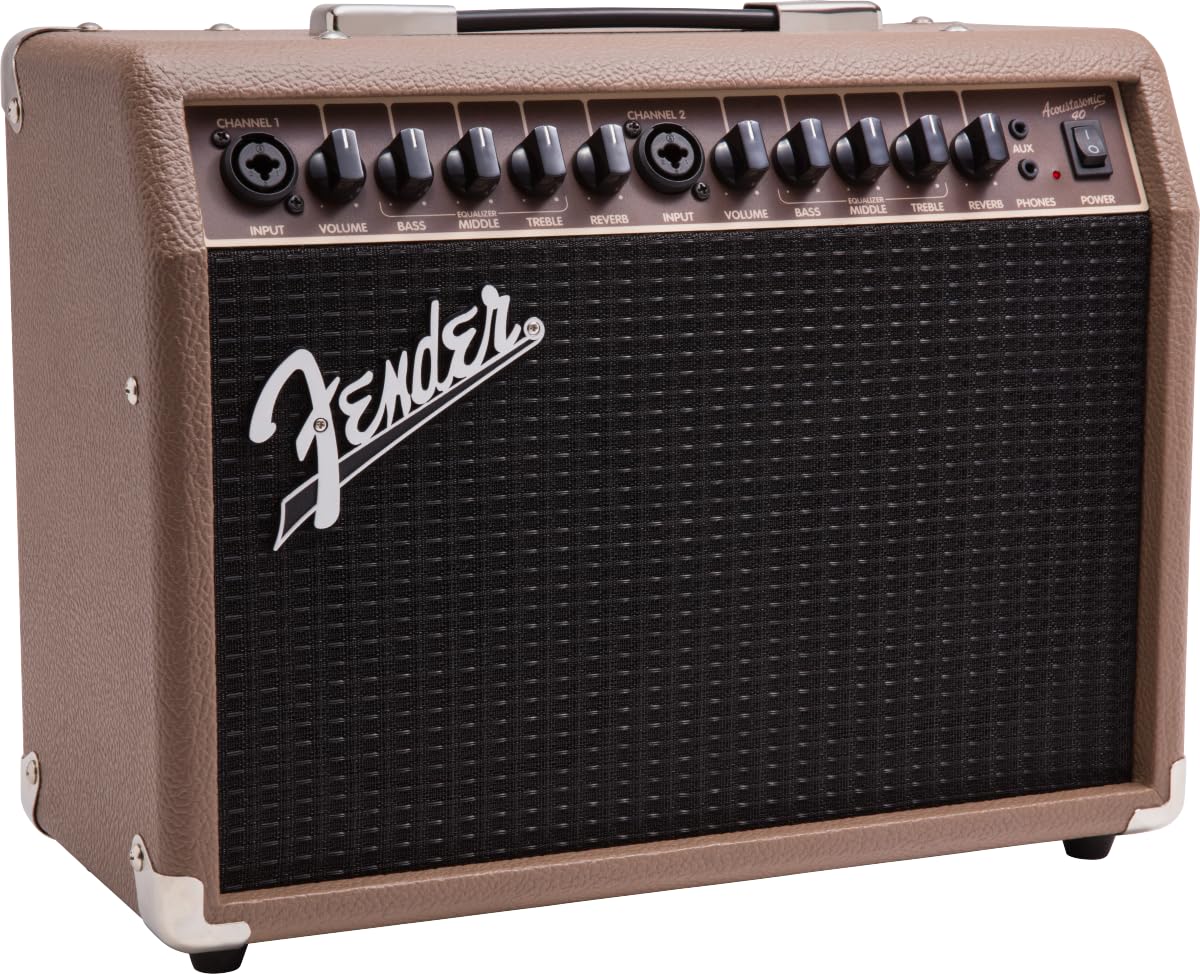
If you’re shopping the Fender Acoustasonic 40, you’re probably after a compact combo amp that can handle acoustic guitar, electric guitar, and even a microphone. At £297.17, it sits in a fairly premium part of the small-amp market, so it’s worth checking whether you actually need its specific blend of portability, acoustic voicing, and dual-input flexibility — or whether another option gives you more value for your money.
The main thing to remember is that the Acoustasonic 40 is a 40W combo designed around acoustic-friendly amplification rather than loud band rehearsal. That makes it appealing for singer-songwriters, home players, and small acoustic gigs. But if your priorities are louder clean headroom, more modern practice tools, or simply spending less, the alternatives below are all worth a serious look.
Positive Grid Spark 2 50W Smart Guitar Practice Amp & Bluetooth Speaker — £229.00
This is £68.17 cheaper than the Fender, yet it gives you more rated power at 50W and a far more feature-heavy experience. The Spark 2 is built as a smart practice amp rather than a traditional acoustic combo, so the biggest difference is workflow: app integration, AI-assisted tone tools, Bluetooth audio playback, and a built-in looper. For electric players, that’s a huge practical upgrade because you can build practice routines, jam along with backing tracks, and access a wide range of tones without buying pedals.
In build terms, the Spark 2 feels like a modern desktop-style amp rather than a straightforward stage box. That means it’s less about a natural acoustic preamp and more about versatility and convenience. If you need a microphone input for busking-style use or acoustic gigs, the Fender is the more obvious choice. But if your real priority is home practice, recording ideas, and keeping one compact amp that also works as a Bluetooth speaker, the Spark 2 is arguably the better value.
Verdict: choose this if you’re mainly an electric player, want smart features, and like the idea of more power for less money. Skip it if you need a proper acoustic-amp style front end and a mic input for live vocal use.
Fender Champion II 100 — £309.00
At just £11.83 more than the Acoustasonic 40, the Champion II 100 is a very different proposition. It’s a 100W combo aimed squarely at electric guitar players, with upgraded effects and amp models, so the practical gain is much more clean volume and stage-friendly headroom. If you rehearse with a drummer or want an amp that can still sound composed when pushed, the extra wattage matters more than the Acoustasonic’s acoustic focus.
The trade-off is obvious: you lose the acoustic-amp versatility and microphone-friendly setup. This is not the amp for a singer-songwriter who wants one box for guitar and vocals. However, if you already own an acoustic guitar and your main need is a better electric practice or gigging amp, the Champion II 100 is a stronger long-term buy. Fender’s combo build quality is generally dependable, and the larger format usually means a fuller, more authoritative sound than a 40W acoustic combo can manage.
Verdict: choose this if electric guitar is the priority and you want more power for almost the same money. It’s the better gigging amp, but not the better all-round acoustic solution.
Squier by Fender Affinity Series Telecaster — £239.00
This is £58.17 cheaper than the Fender amp, but it’s not an amp at all — it’s a guitar. That makes it a useful alternative if you’ve realised your budget is better spent on the instrument itself and you already have a workable amp or interface. The Affinity Telecaster is a classic beginner-to-intermediate electric with a maple fingerboard and the familiar Tele layout, so you’re getting a solid, straightforward platform that encourages good technique and gives you a very usable range of tones.
Compared with the Acoustasonic 40, the build quality comparison is less about electronics and more about the quality of the playing experience. Squier’s Affinity series is generally decent for the money, though not as refined as the Classic Vibe line. The practical impact is that you may notice simpler hardware and a less premium feel, but you still get a real Fender-family instrument that can grow with you. If you’re already set on an acoustic amp, this isn’t a substitute in function — but it is a smarter purchase if the real goal is to improve your guitar playing rather than buy another box.
Verdict: choose this if you need an affordable, reliable electric guitar and can live without the amp. It’s especially sensible if your current amp or interface is already doing the job.
Ibanez Gio GSA60-WNF Walnut Flat — £209.00
At £88.17 less than the Fender, the Ibanez Gio GSA60 is the budget-friendly wildcard here. Again, this is a guitar rather than an amp, but it’s a strong alternative if you’re comparing where to put your money. The GSA60 is typically aimed at players who want a comfortable, lightweight electric with a more modern feel than a traditional single-cut design. Ibanez is well known for slim necks and easy playability, which can make a big difference if you’re building speed, learning chords, or just want an instrument that doesn’t fight you.
In build quality terms, the Gio range is usually solid for the price, though you should think of it as a practical entry-level to mid-budget instrument rather than a boutique-feel guitar. The trade-off versus the Fender amp is simple: you’re swapping amplification versatility for a better core instrument. If you already have an amp, the Ibanez may give you more musical progress for less money. If you don’t, then the Acoustasonic 40 still makes more sense as a complete solution.
Verdict: choose this if you want the cheapest route to a playable, versatile electric guitar and you already own amplification. It’s a better value instrument than a compromise amp purchase.
Squier by Fender Classic Vibe '50s Telecaster — £354.00
This one is £56.83 more expensive than the Fender Acoustasonic 40, but it’s also the most premium guitar alternative in this list. The Classic Vibe series is a noticeable step up from Affinity in feel, finish, and overall presentation, and the '50s Telecaster is aimed at players who want a more authentic vintage-style experience. If you care about build quality and long-term satisfaction, this is the sort of guitar that can genuinely inspire more practice because it feels more complete under the hands.
The practical difference versus the Acoustasonic 40 is that you’re paying for an instrument upgrade rather than an amplification solution. That means it’s the right move if you already have an amp, interface, or modelling setup and want a better guitar to play through it. The Telecaster format is also famously versatile for clean, country, indie, and rock tones. Compared with the Acoustasonic’s all-in-one convenience, this option is less flexible on paper but more rewarding musically if your current gear already covers amplification.
Verdict: choose this if you want the best-feeling guitar here and are happy to spend a bit more. It’s the strongest option for players who value instrument quality over convenience.
Which alternative is best overall?
If you want the closest functional alternative to the Fender Acoustasonic 40, the Positive Grid Spark 2 is the most compelling rival because it offers more power, a lower price, and far more practice features. If your main concern is live or rehearsal volume, the Fender Champion II 100 is the better amp. And if you’ve decided that the real upgrade should be your guitar rather than your amp, the Squier Classic Vibe '50s Telecaster is the most satisfying premium choice, while the Affinity Telecaster and Ibanez Gio GSA60 are the value picks.
The right choice depends on what problem you’re actually trying to solve. If you need one compact amp for acoustic guitar, electric guitar, and vocals, the Acoustasonic 40 still makes a lot of sense. But if you want more power, smarter practice tools, or better value, one of these alternatives may be the better buy.
Alternatives

Positive Grid Spark 2 50W Smart Guitar Practice Amp & Bluetooth Speaker with Built-in Looper, AI Features & Smart App for Electric, Acoustic, & Bass Guitar
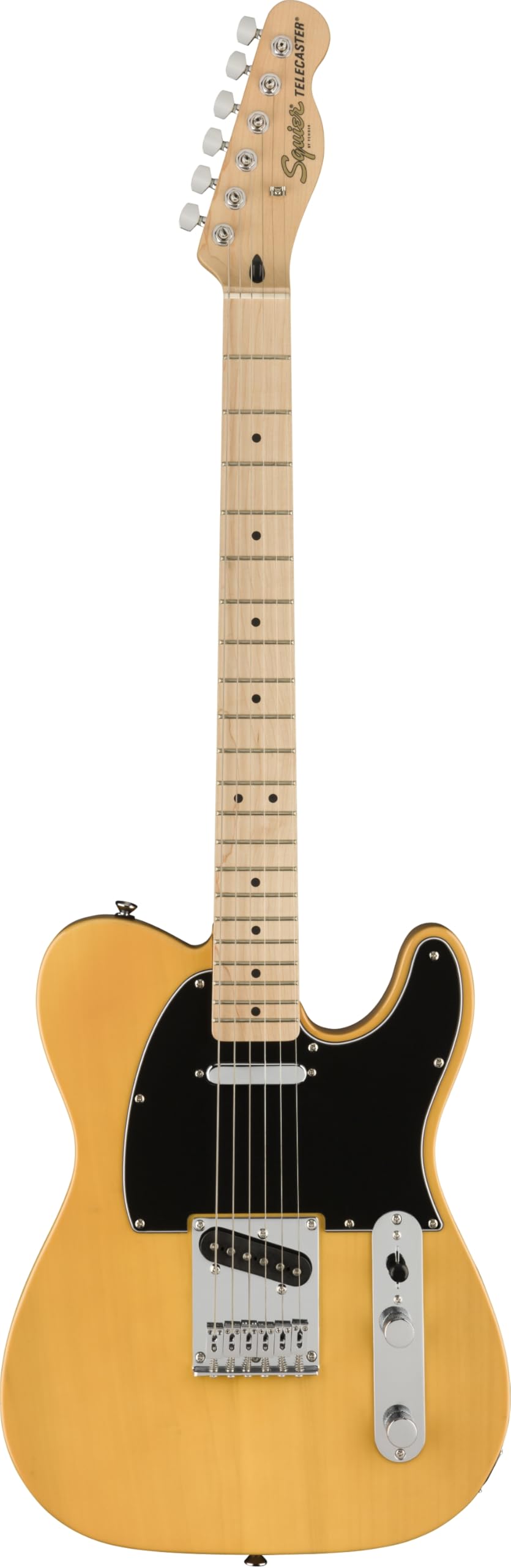
Squier by Fender Affinity Series Telecaster, Electric Guitar, Maple fingerboard, Butterscotch Blonde
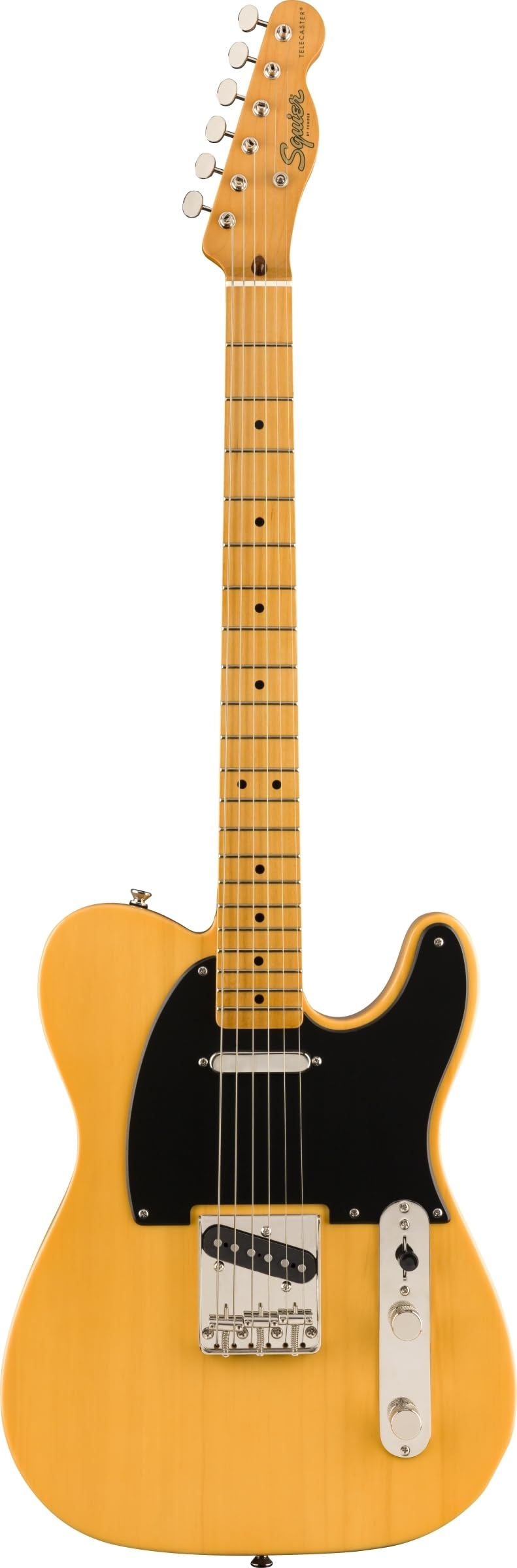
Squier by Fender Classic Vibe '50s Telecaster, Butterscotch Blonde


Fender Champion II 100, Combo Guitar Amp, 100W, Suitable For Electric Guitar, More Power, Upgraded Effects and Amp Models, Black/Silver
Still Buy the Original If...
Buy the Fender Acoustasonic 40 if you need a straightforward acoustic-friendly combo amp with microphone support and a trusted Fender name. It’s still the best fit for players wanting one compact box for acoustic guitar, electric guitar, and vocals.
Love picks like this?
Get weekly product recommendations straight to your inbox.
Curated by Keys & Strings on All The Top Picks
As an Amazon Associate we earn from qualifying purchases.